
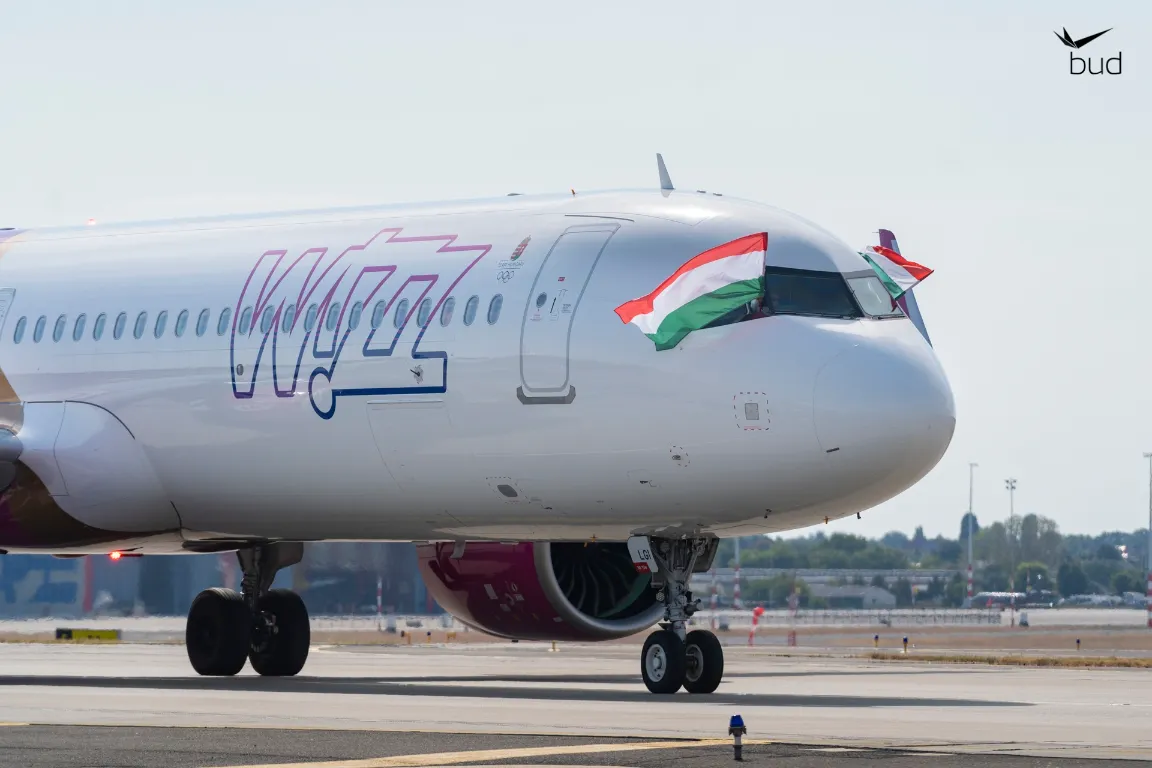
Wizz Air bans neck pillows, ending popular travel hack
THE NEWS: The popular low‑cost airline announced that neck pillows can no longer be carried as a personal item and...
Read moreDetails
Comprehensive Summarization:
The article discusses a significant shift in Spain’s aviation connectivity landscape, led by major European airlines including Ryanair, Vueling, EasyJet, Iberia, and Wizz Air. This shift is primarily driven by the rising costs associated with airport charges and aviation taxes, which have created major obstacles for the industry. These airlines are making bold moves to adapt to these new challenges, reflecting broader trends in the travel industry where cost management and operational efficiency are becoming increasingly critical. The context highlights the ongoing pressures on the aviation sector due to regulatory changes and economic factors, emphasizing the need for innovative solutions to maintain connectivity and competitiveness.
Key Points:
Actionable Takeaways:
Cost Management Strategies: Airlines are re-evaluating their flight schedules and routes to mitigate the impact of rising airport charges and aviation taxes. This strategic adjustment can serve as a model for other airlines facing similar regulatory pressures, emphasizing the importance of proactive cost management in maintaining profitability and service quality.
Innovation in Travel Tech: The article highlights the need for innovative solutions in travel technology to navigate the challenges posed by increased operational costs. Airlines that invest in advanced travel tech solutions, such as dynamic pricing models or optimized routing algorithms, are better positioned to adapt to regulatory changes and maintain competitive advantage in the market.
Focus on Connectivity: The shift in flight schedules indicates a renewed focus on connectivity, particularly in Spain. This trend suggests that airlines are prioritizing strategic routes and partnerships to ensure seamless travel experiences for passengers, even amidst rising operational costs. For travel startups and fintech companies, this presents an opportunity to develop solutions that enhance connectivity and streamline travel logistics, catering to the evolving needs of the industry.
Contextual Insights:
The article’s context is deeply rooted in the current challenges faced by the aviation industry, particularly in Spain, where regulatory changes and economic pressures are driving significant adjustments in airline operations. The rise in airport charges and aviation taxes is a common issue across Europe, reflecting a broader trend of increased regulatory scrutiny on the travel sector. This context is crucial for understanding the motivations behind the airlines’ strategic shifts and the broader implications for the industry.
In terms of forward-looking perspectives, the article aligns with recent travel trends that emphasize the importance of operational efficiency and cost management. Thought leaders in the travel industry are increasingly advocating for innovative solutions that can help airlines navigate regulatory challenges while maintaining high service standards. The emphasis on connectivity, even in the face of rising costs, underscores the resilience and adaptability of the aviation sector. For travel startups and fintech companies, this presents an opportunity to develop solutions that support airlines in their strategic adjustments, such as advanced analytics tools for route optimization or fintech platforms that help manage operational costs more effectively.
Read the Complete Article.
THE NEWS: The popular low‑cost airline announced that neck pillows can no longer be carried as a personal item and...
Read moreDetails
Experience the magic of the Nile aboard Kenzy Dahabeya, a luxury boutique sailing cruise that offers an unforgettable journey between...
Read moreDetails