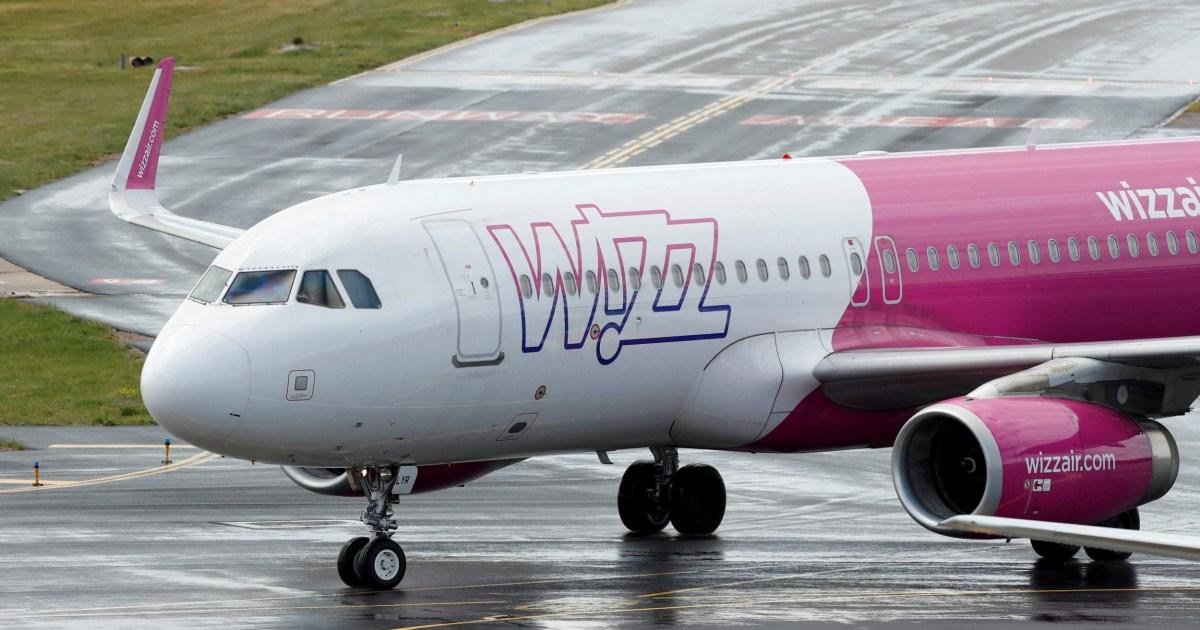
Wizz Air imposes £55 fines for carrying common flight essential
THE NEWS: Wizz Air’s hand‑luggage policy, already noted for “less than generous” allowances and “strict” enforcement, also features a controversial rule...
Read moreDetailsEvery alert that matters — when it happens.

Brits can visit ‘Thailand of Europe’ with £60 Wizz Air flights and 30C summers
Comprehensive Summarization:
The article discusses the impact of geopolitical events, specifically Iran’s blockade of the Strait of Hormuz, on travel plans and fuel prices. It highlights how this situation is prompting many potential holidaymakers to consider staying within the UK rather than traveling abroad. The article also touches on the broader context of travel restrictions and rising fuel costs, which are affecting the travel industry. It emphasizes the need for flexibility and adaptability in travel plans due to ongoing global uncertainties.
Key Points:
Actionable Takeaways:
Plan for Domestic Travel: Given the current geopolitical situation and its impact on international travel, professionals in the travel industry should encourage clients to consider domestic travel options. This can help mitigate the financial impact of rising fuel prices and travel disruptions.
Monitor Fuel Prices: The article highlights the correlation between geopolitical events and fuel prices. Travel companies and consumers should keep a close eye on fuel price trends and adjust their travel plans accordingly to avoid unexpected cost increases.
Stay Informed on Travel Restrictions: As travel restrictions continue to evolve, it is crucial for industry professionals to stay informed about the latest developments. This includes monitoring news on the Strait of Hormuz and other potential travel barriers to make informed decisions about travel itineraries.
Contextual Insights:
The article reflects the current state of the travel industry, which is heavily influenced by geopolitical events and global uncertainties. The blockade of the Strait of Hormuz is a clear example of how international tensions can directly impact travel logistics and costs. This situation underscores the importance of adaptability in travel planning, as well as the need for industry stakeholders to closely monitor geopolitical developments. Furthermore, the rise in fuel prices due to these events highlights the interconnectedness of global markets and the potential ripple effects on travel-related sectors, such as fuel suppliers and airlines. For travel startups and fintech companies, this context presents both challenges and opportunities. They may need to innovate in areas such as travel insurance, cost management, and alternative payment solutions to navigate the evolving landscape effectively. Overall, the article serves as a reminder of the dynamic nature of the travel industry and the importance of staying informed and adaptable in response to global events.
Read the Complete Article.
THE NEWS: Wizz Air’s hand‑luggage policy, already noted for “less than generous” allowances and “strict” enforcement, also features a controversial rule...
Read moreDetails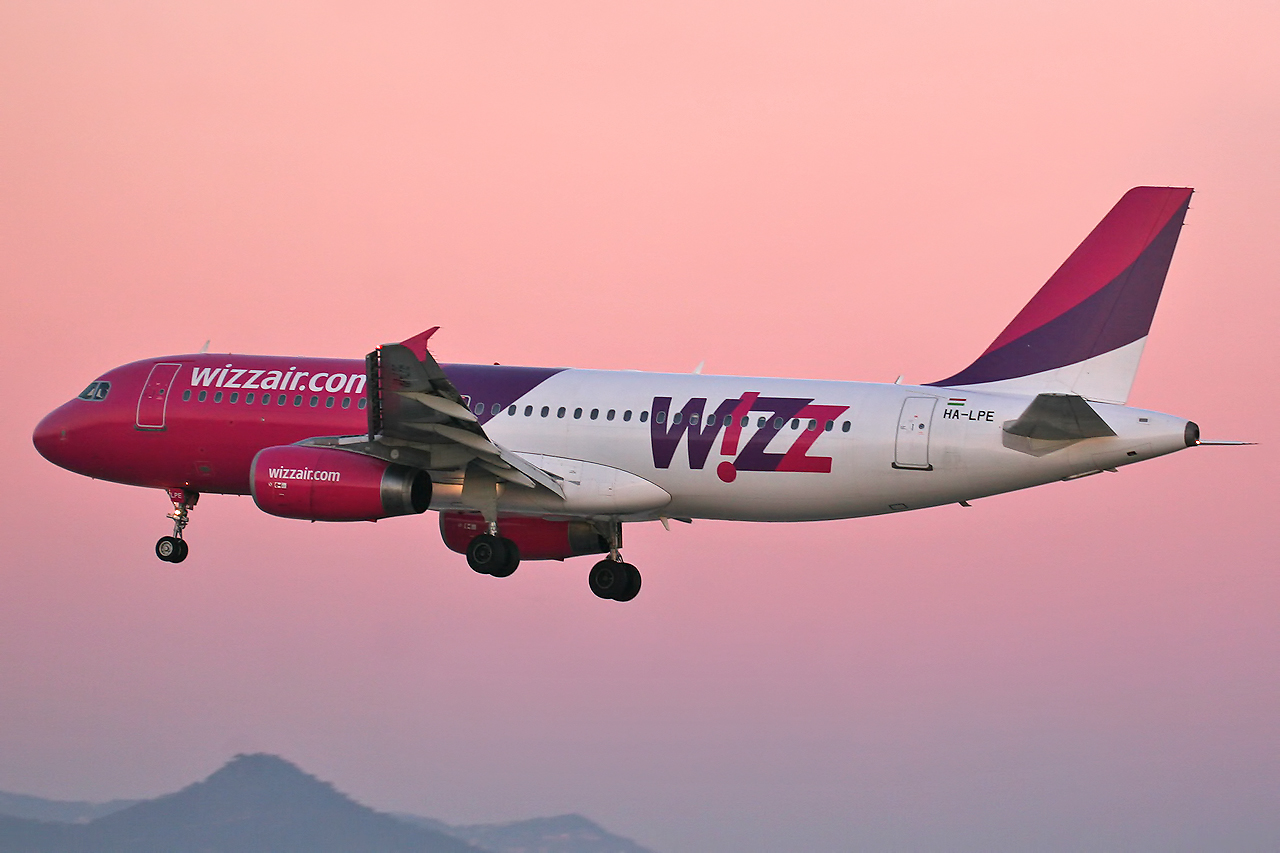

Experience the magic of the Nile aboard Kenzy Dahabeya, a luxury boutique sailing cruise that offers an unforgettable journey between...
Read moreDetails