













Comprehensive Summarization:
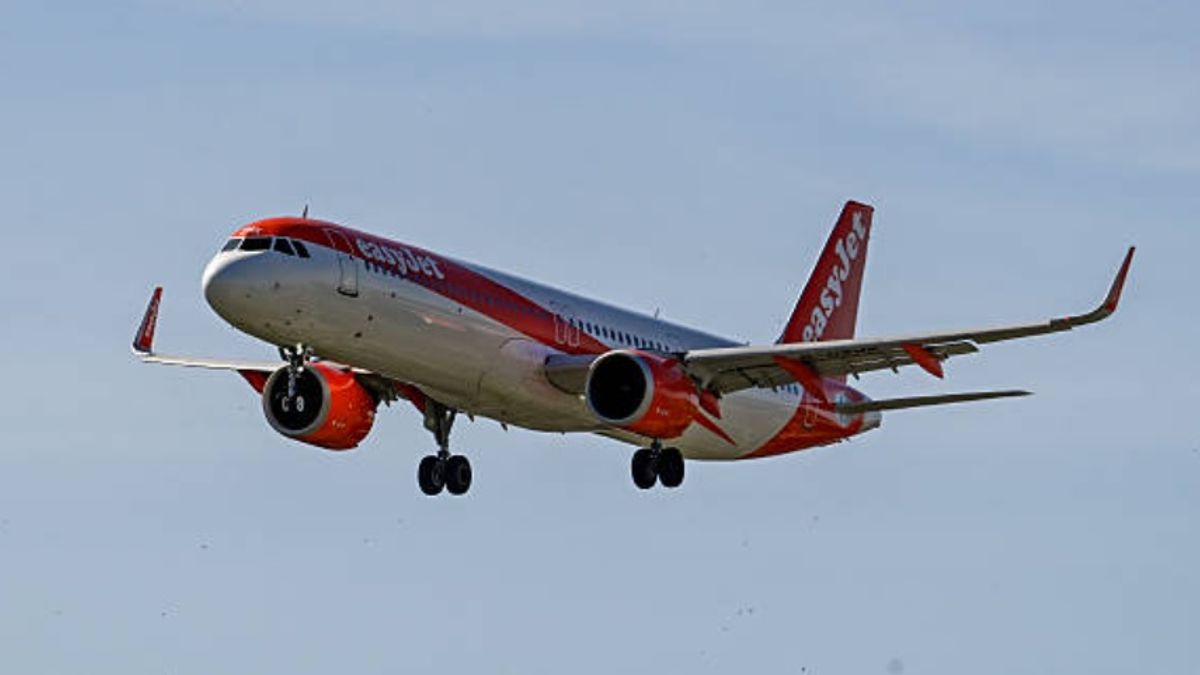
The article discusses the impact of the ongoing war in the Middle East on UK airlines, specifically how it is affecting their ability to conserve jet fuel. As a result, several popular airlines, including Jet2, EasyJet, Ryanair, and Wizz Air, have issued updates regarding potential flight cancellations or consolidations. This measure is being taken to mitigate the effects of rising jet fuel costs, which are exacerbated by the geopolitical tensions. The article also highlights the broader context of travel trends and insights from industry thought leaders, emphasizing the need for airlines to adapt to changing fuel prices and supply chain disruptions.
Key Points:
- The war in the Middle East is disrupting jet fuel supplies, leading to increased costs for airlines.
- UK airlines, including Jet2, EasyJet, Ryanair, and Wizz Air, are implementing flight cancellations or consolidations to conserve fuel.
- The article underscores the importance of adapting to changing fuel prices and supply chain disruptions in the travel industry.
Actionable Takeaways:
-
Fuel Cost Management: Airlines should prioritize fuel cost management strategies, such as optimizing flight routes and schedules, to mitigate the impact of rising jet fuel prices. This is crucial for maintaining profitability and ensuring operational sustainability in the face of geopolitical uncertainties.
-
Flexible Scheduling: Implementing flexible scheduling practices, including the ability to cancel or consolidate flights, can help airlines adapt quickly to fuel price fluctuations and supply chain disruptions. This flexibility is essential for minimizing operational disruptions and maintaining service levels during times of crisis.
-
Invest in Sustainable Solutions: The article highlights the need for airlines to explore sustainable aviation fuel (SAF) and other eco-friendly alternatives to conventional jet fuel. Investing in SAF and other sustainable technologies can reduce operational costs in the long run and enhance the airline’s reputation as a responsible corporate citizen.
Contextual Insights:
The article’s context is deeply rooted in the current geopolitical landscape, particularly the ongoing conflict in the Middle East. This conflict has significant implications for global fuel supplies, as the region is a major source of crude oil and jet fuel. The disruption in fuel supplies has forced airlines to reassess their operations, leading to measures such as cancellations and consolidations. This situation underscores the vulnerability of the travel industry to geopolitical events and the importance of having contingency plans in place.
Moreover, the article aligns with broader industry trends towards sustainability and cost management. As fuel prices continue to rise, airlines are increasingly exploring sustainable solutions, such as SAF, to reduce their carbon footprint and operational costs. This trend is likely to gain momentum as environmental regulations become stricter and consumers demand more eco-friendly travel options. The insights provided in the article are particularly relevant for travel startups and fintech companies, as they explore innovative ways to support airlines in managing fuel costs and adapting to changing market conditions. By leveraging technology and data analytics, these companies can help airlines optimize their operations and navigate the challenges posed by fuel price volatility.
Read the Complete Article.



