







Comprehensive Summarization:
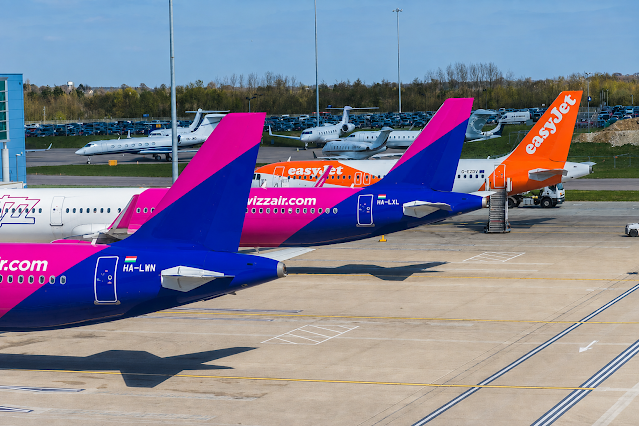
The article discusses Sarajevo Airport’s negotiations with Wizz Air and easyJet to introduce new routes, as it seeks to mitigate the impact of Ryanair’s upcoming winter suspension of operations. Dino Selimović, the Acting CEO of Sarajevo Airport, expressed optimism about the potential for new routes to European destinations by the end of the month. The focus is on expanding operations in Europe, highlighting the airport’s strategic response to changes in the travel market and the competitive landscape within the travel industry.
Key Points:
- Sarajevo Airport is in talks with Wizz Air and easyJet to introduce new routes, aiming to compensate for Ryanair’s winter suspension of operations.
- The Acting CEO, Dino Selimović, is hopeful that new routes will be announced by the end of the month, targeting European destinations.
- The expansion is seen as a strategic move to maintain the airport’s relevance and competitiveness in the face of industry changes.
Actionable Takeaways:
- Strategic Route Expansion: Sarajevo Airport’s negotiations with Wizz Air and easyJet present an opportunity for European airlines to increase their presence in the region. This move could lead to enhanced connectivity and increased passenger traffic, benefiting both the airport and the airlines involved. Relevance: In the current travel landscape, strategic partnerships and route expansions are crucial for maintaining market share and adapting to shifts in airline operations. This could serve as a model for other airports facing similar challenges.
- Focus on European Destinations: By targeting European destinations, Sarajevo Airport is positioning itself to capitalize on the growing demand for travel within the region. This focus aligns with broader industry trends towards intra-European travel, driven by factors such as cost-effectiveness, convenience, and the desire for shorter travel times. Relevance: As travel preferences shift towards more accessible and cost-efficient intra-European routes, airports that adapt to these trends stand to gain a competitive edge. This takeaway underscores the importance of aligning airport strategies with evolving passenger demands.
Contextual Insights:
The article’s context is deeply rooted in the evolving dynamics of the global travel industry, particularly in light of Ryanair’s operational adjustments. The European market, characterized by its extensive network of interconnected cities and a high volume of domestic and international travelers, presents both challenges and opportunities. Ryanair’s winter suspension signals a potential shift in market dynamics, prompting other airports and airlines to reassess their strategies. This situation highlights the broader trend of airlines seeking to optimize their routes and schedules in response to changing consumer behaviors and regulatory environments. Furthermore, the focus on European destinations underscores the strategic importance of intra-European travel, an area witnessing significant growth due to factors such as improved connectivity, cost competitiveness, and the rise of budget airlines. As airports like Sarajevo Airport adapt to these shifts, they are likely to play a pivotal role in shaping the future of air travel in the region, potentially influencing the expansion strategies of other airlines and prompting further innovation in the sector.
Read the Complete Article.






