












Comprehensive Summarization:
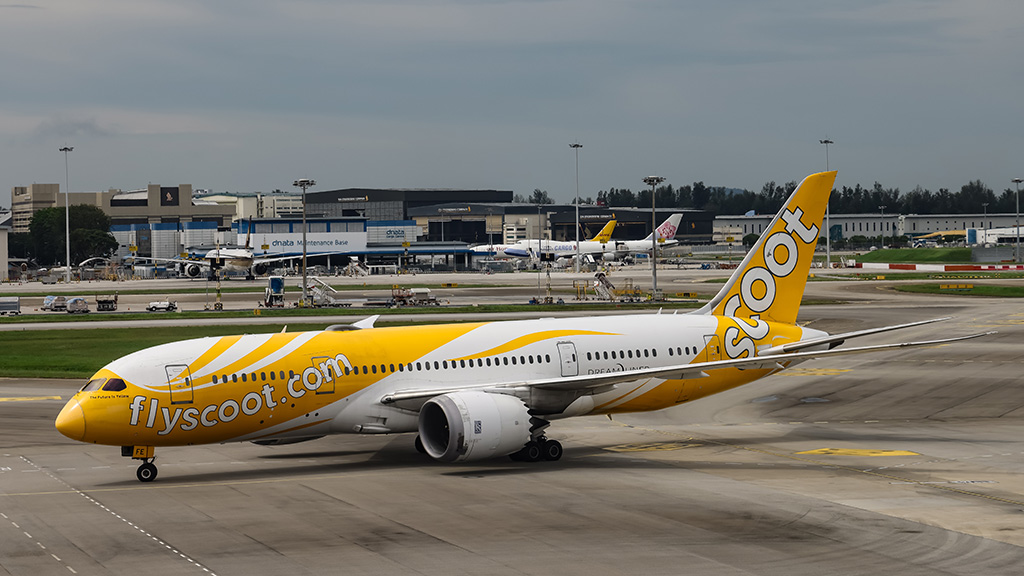
Singapore’s Scoot has been named the world’s most emissions-efficient airline of 2025, according to a newly published global review of airline emissions performance. The review places Scoot at the top of the list, with the lowest carbon output per available seat. This achievement is highlighted in a league table dominated by low-cost carriers and a handful of long-haul innovators that are quietly rewriting the rulebook on sustainable aviation. The article emphasizes the shift towards more sustainable aviation practices, particularly among low-cost carriers and innovative long-haul airlines, signaling a significant development in the travel industry’s approach to environmental responsibility.
Key Points:
- Singapore’s Scoot has been named the world’s most emissions-efficient airline of 2025.
- The review places Scoot at the top of the list with the lowest carbon output per available seat.
- The league table is dominated by low-cost carriers and a handful of long-haul innovators.
- These airlines are rewriting the rulebook on sustainable aviation, indicating a shift towards more environmentally friendly practices in the industry.
Actionable Takeaways:
-
Adoption of Sustainable Practices by Low-Cost Carriers: Scoot’s achievement highlights the potential for low-cost carriers to lead in sustainable aviation. Airlines operating in this segment should consider investing in technologies and practices that reduce carbon emissions, such as more fuel-efficient aircraft, optimized flight paths, and alternative fuels. This could not only enhance their environmental credentials but also appeal to a growing segment of eco-conscious travelers.
-
Innovation in Long-Haul Aviation: The presence of long-haul innovators in the top positions of the emissions efficiency league table suggests that advancements in long-haul flight technology are crucial for reducing the aviation industry’s carbon footprint. Airlines and aircraft manufacturers should focus on developing more efficient engines, aerodynamic improvements, and alternative energy sources (e.g., hydrogen fuel cells) to meet the growing demand for sustainable long-haul travel. This could drive significant investment and innovation in the aviation sector, potentially reshaping the industry’s future.
Contextual Insights:
The recognition of Scoot as the world’s most emissions-efficient airline underscores a broader industry trend towards sustainability. As environmental concerns become increasingly central to consumer travel decisions, airlines are under pressure to adopt greener practices. This shift is not only driven by regulatory pressures but also by the growing demand from travelers for more sustainable travel options. The article’s focus on low-cost carriers and long-haul innovators reflects a broader industry trend where efficiency and sustainability are becoming key differentiators. For travel startups and fintech companies, this presents an opportunity to develop solutions that support these sustainability goals, such as carbon offsetting platforms, eco-friendly travel financing options, and tools that help airlines track and reduce their carbon emissions. By aligning with these trends, these entities can position themselves at the forefront of the evolving travel industry, meeting both regulatory requirements and consumer expectations for sustainability.
Read the Complete Article.



