
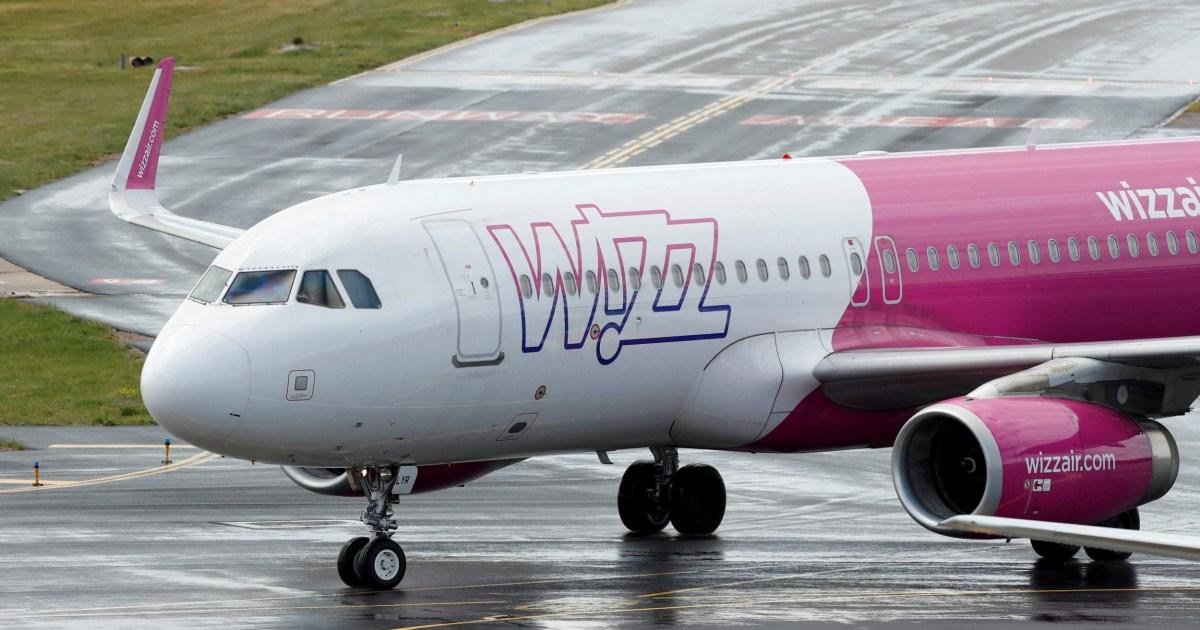
Wizz Air imposes £55 fines for carrying common flight essential
THE NEWS: Wizz Air’s hand‑luggage policy, already noted for “less than generous” allowances and “strict” enforcement, also features a controversial rule...
Read moreDetailsEvery alert that matters — when it happens.

Wizz Air to exit Abu Dhabi: Budget flyers may see airfares go up by 50%, say travel agents
The landscape of UAE aviation is set for significant shifts following Wizz Air Abu Dhabi’s unexpected departure. This move, announced recently, has sent ripples through the industry, with immediate implications for airfares and consumer choice. The low-cost carrier’s exit from its Abu Dhabi base is a pivotal moment, raising questions about the viability of budget airlines in the region and the future direction of air travel from the capital.
Wizz Air Abu Dhabi’s cessation of operations from the emirate is a stark reminder of the competitive and often challenging nature of the airline business, particularly in the ultra-low-cost sector. The airline’s strategy, focused on connecting Abu Dhabi to a network of diverse destinations, aimed to tap into a growing demand for affordable international travel. However, various factors, likely including operational costs, market demand fluctuations, and strategic realignments within the broader Wizz Air group, appear to have contributed to this decision.
The immediate consequence of Wizz Air Abu Dhabi’s withdrawal is an anticipated surge in airfares on routes previously served by the airline. With one less carrier competing, particularly in the budget segment, travelers can expect to see prices rise. This development is a concern for many, especially those who rely on affordable travel options for leisure or business. The increased cost of flights could impact tourism, expatriate travel, and the overall accessibility of international destinations from Abu Dhabi.
This situation also prompts a re-evaluation of the aviation ecosystem in Abu Dhabi. The emirate has been actively working to position itself as a major aviation hub, attracting both full-service and low-cost carriers. Wizz Air’s departure, while a setback, also presents an opportunity for other airlines to potentially fill the void and for the emirate to reassess its strategy for airline development and support. The focus may now shift towards strengthening existing partnerships and attracting carriers that can offer a sustainable and competitive service.
For travelers, the advice is clear: book flights well in advance, be flexible with travel dates and times, and explore alternative routes and carriers. Understanding the dynamics of supply and demand is crucial in navigating these changing fare structures. The Wizz Air Abu Dhabi exit underscores the need for a diverse and robust airline market to ensure affordability and accessibility for all. The coming months will be critical in observing how the UAE’s aviation sector adapts and evolves in response to this significant development, with a keen eye on how airfares and route options are reshaped for the benefit of consumers.
Read the Complete Article.
THE NEWS: Wizz Air’s hand‑luggage policy, already noted for “less than generous” allowances and “strict” enforcement, also features a controversial rule...
Read moreDetails

Experience the magic of the Nile aboard Kenzy Dahabeya, a luxury boutique sailing cruise that offers an unforgettable journey between...
Read moreDetails





