










Comprehensive Summarization:
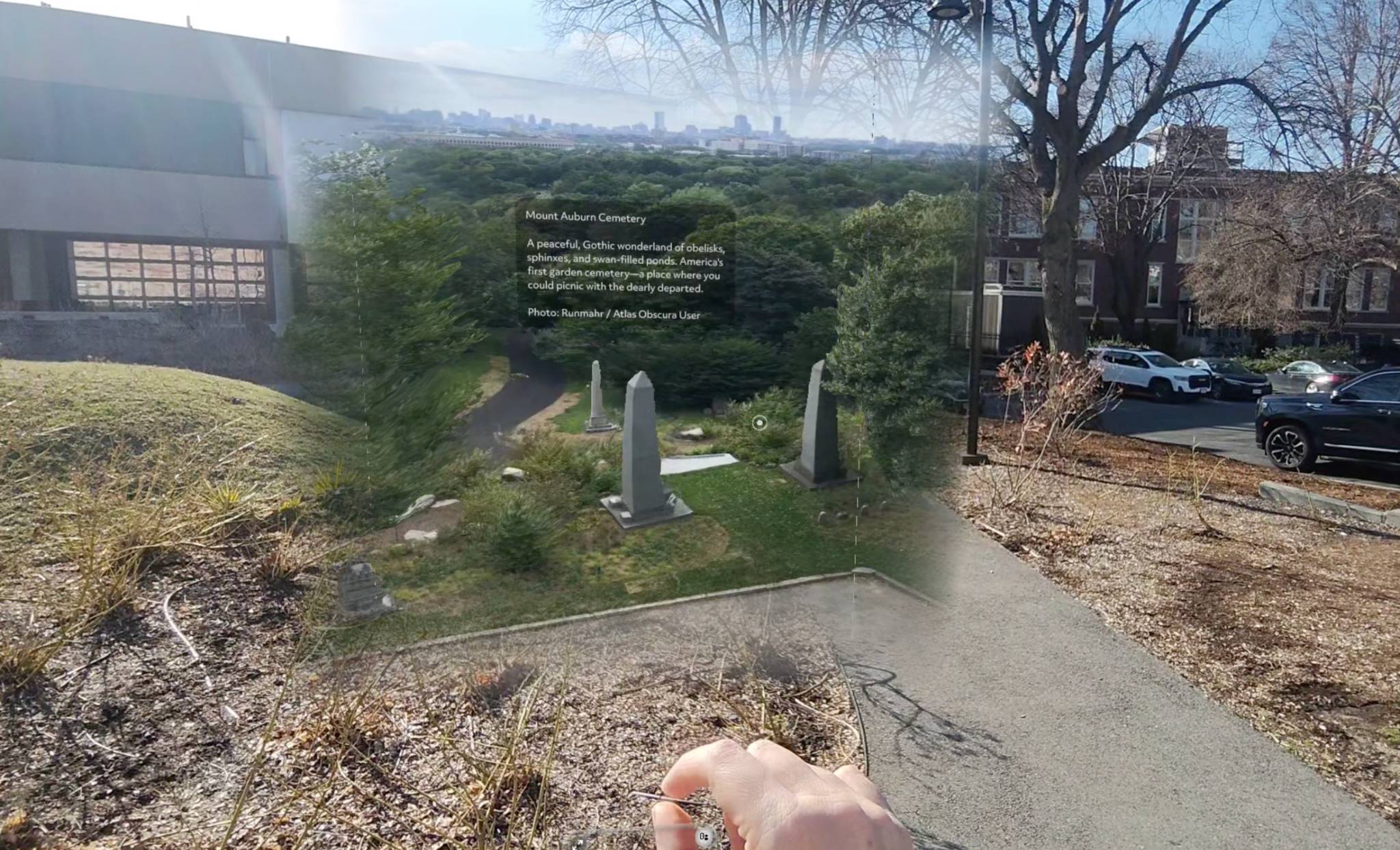
The article discusses the unexpected acceptance of interactive glasses, specifically an XR headset leveraging AI for real-time insights, among students who were initially resistant to other forms of digital interaction. This resistance was due to a mental model of AI technologies that they perceived as isolation-inducing. The glasses, ironically, were embraced as they brought students closer to one another and the world around them through digital interaction. This scenario highlights a shift in how students perceive and interact with AI technologies in the context of travel and beyond.
Key Points:
- Students initially resisted digital interaction but embraced XR headsets with AI capabilities for real-time insights.
- The glasses were perceived as isolation-inducing by the students, contrasting with their eventual acceptance.
- The acceptance of XR headsets signifies a shift in how students interact with AI technologies, moving away from isolation-inducing models.
- The article touches on broader travel tech trends, emphasizing the importance of AI in enhancing digital interaction in travel.
Actionable Takeaways:
-
Embrace AI-Enhanced Technologies in Travel: The acceptance of XR headsets suggests a growing willingness among students to adopt AI-enhanced technologies in travel. Travel companies should invest in developing AI-driven solutions that enhance real-time insights and digital interaction, as this trend is likely to continue and expand.
-
Focus on Seamless Digital Interaction: The article highlights the importance of digital interaction that brings people closer together. Travel startups and fintech companies should prioritize creating seamless digital experiences that foster connectivity and engagement among users, aligning with the trend of AI technologies that promote social interaction.
-
Innovate with Real-Time Insights: The use of AI for real-time insights in XR headsets demonstrates the potential for travel technologies to provide immediate, actionable information to users. Companies should invest in AI technologies that offer real-time data and insights, enhancing the travel experience and setting new standards for innovation in the industry.
Contextual Insights:
The acceptance of XR headsets among students reflects a broader trend in the travel industry towards integrating AI technologies that enhance real-time interaction and connectivity. This shift aligns with the current travel trends, which emphasize personalized, immersive experiences that leverage technology to bring users closer to destinations and each other. As AI continues to evolve, its role in travel is likely to expand, offering new opportunities for startups and established companies to innovate and meet the changing expectations of travelers. The article underscores the importance of staying ahead of these technological advancements to remain competitive in the rapidly evolving travel landscape.
Read the Complete Article.






