












Comprehensive Summarization:
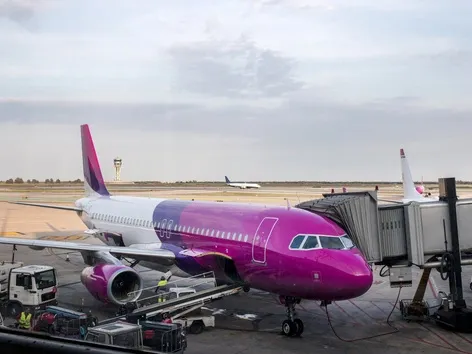
Wizz Air has temporarily suspended flights to Israel, the UAE, and Jordan due to escalating security concerns in the region. The restrictions are expected to remain in place until March 15, 2023. The article provides details on which countries are affected, the duration of the restrictions, and advice given to passengers. It also touches on broader travel industry trends and insights from thought leaders, highlighting the impact of security situations on travel operations and the importance of real-time information dissemination in the travel sector.
Key Points:
- Wizz Air has suspended flights to Israel, the UAE, and Jordan due to security concerns.
- The restrictions are set to remain in place until March 15, 2023.
- Passengers are advised on the changes and potential impacts on their travel plans.
- The article discusses the broader implications of such security situations on the travel industry, including the need for real-time updates and flexible travel policies.
Actionable Takeaways:
-
Flexible Travel Policies: Airlines should consider implementing more flexible booking policies that allow passengers to easily change or cancel flights in response to security concerns. This can help mitigate the financial impact on both airlines and travelers.
-
Real-Time Communication: Airlines must enhance their communication strategies to provide passengers with real-time updates on flight status changes due to security issues. This transparency builds trust and helps manage passenger expectations.
-
Focus on Safety: The article underscores the importance of prioritizing passenger safety in travel planning. Airlines should collaborate with security agencies and local authorities to ensure that travel advisories are accurate and timely.
Contextual Insights:
The suspension of Wizz Air flights to Israel, the UAE, and Jordan highlights the ongoing challenges faced by the travel industry in navigating security threats. This situation is reflective of a broader trend where geopolitical events significantly impact travel operations. In recent years, the travel industry has seen an increased focus on integrating advanced technologies for real-time monitoring and communication, such as AI-driven predictive analytics and blockchain for secure data sharing. These technologies are crucial for managing the dynamic nature of travel disruptions and ensuring that airlines can respond swiftly to emerging threats. Furthermore, the emphasis on passenger safety and transparent communication aligns with current industry trends, where customer trust and experience are paramount. As security situations evolve, the travel sector must remain agile, leveraging innovations in travel tech to adapt quickly and maintain customer confidence.
Read the Complete Article.



