












Comprehensive Summarization:
The article discusses a statement made by József Váradi, the CEO of Hungarian budget airline Wizz Air, regarding a temporary drop in European flight prices. Váradi attributes this price reduction to growing hesitancy among travelers due to the ongoing U.S.-Iran war. The context provided includes an image of the White House, possibly symbolizing the geopolitical tensions affecting travel decisions. The focus is on the impact of geopolitical events on the travel industry, specifically the budget airline sector, and how such factors influence pricing strategies and consumer behavior.
Key Points:
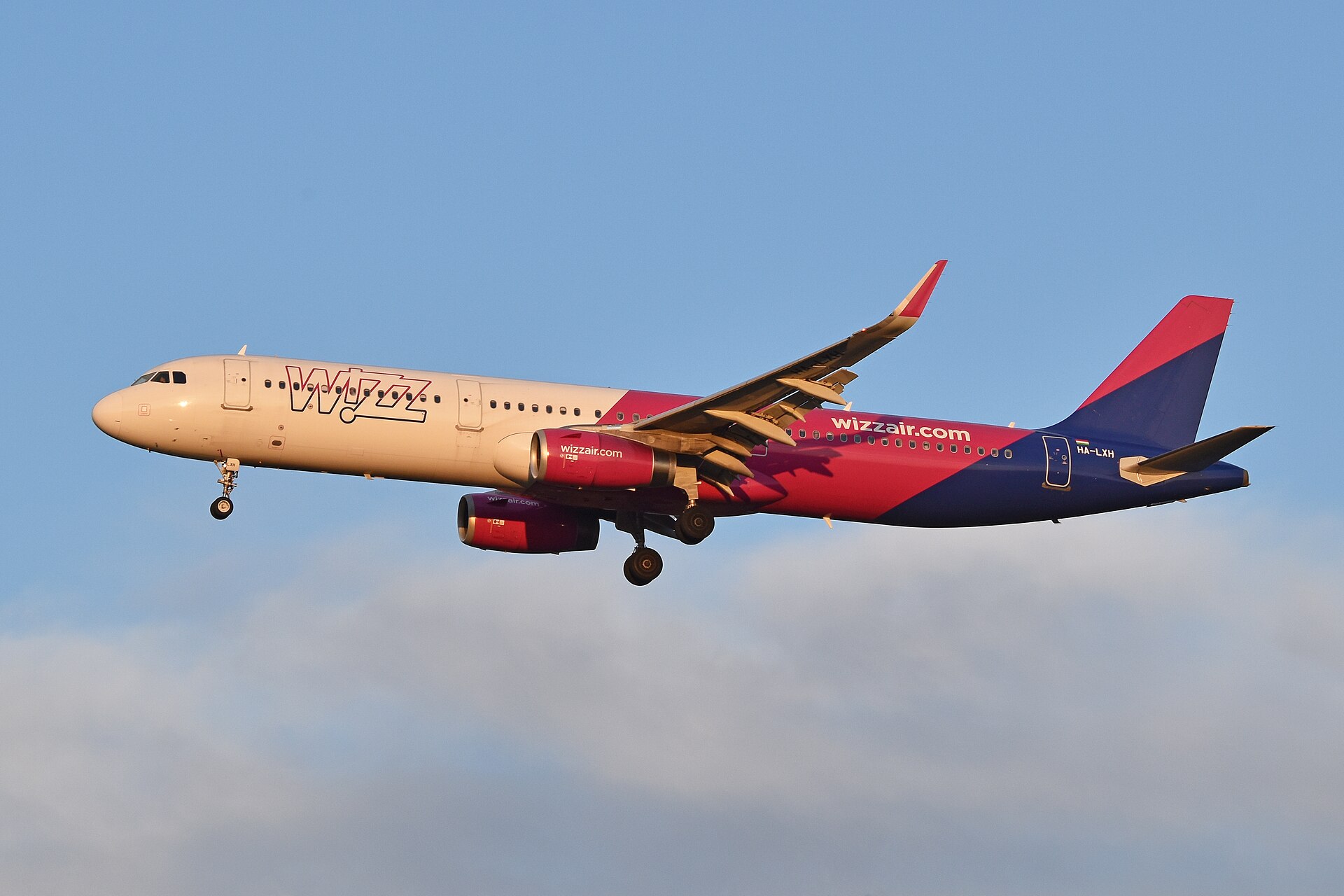
- Wizz Air’s CEO, József Váradi, announced a temporary drop in European flight prices.
- The price reduction is attributed to growing hesitancy among travelers due to the U.S.-Iran war.
- The article includes an image of the White House, possibly symbolizing the geopolitical tensions affecting travel decisions.
Actionable Takeaways:
-
Price Sensitivity Among Travelers: Airlines, particularly budget carriers like Wizz Air, can afford to cut prices on short-term European flights due to reduced demand. This insight is crucial for airlines looking to attract cost-conscious travelers and maintain market share during geopolitical uncertainties.
-
Geopolitical Factors Impacting Travel: The ongoing U.S.-Iran war is influencing consumer behavior in the travel industry. Airlines and travel companies should monitor geopolitical developments closely to anticipate changes in travel demand and adjust their pricing and marketing strategies accordingly.
-
Opportunity for Budget Airlines: The current market conditions present an opportunity for budget airlines to expand their customer base by offering competitive pricing. This could lead to increased market share for budget carriers, especially if they effectively communicate the safety and reliability of their services amidst geopolitical tensions.
Contextual Insights:
The article reflects the current state of the travel industry, where geopolitical events can significantly impact consumer behavior and airline pricing strategies. The focus on budget airlines and their ability to adjust prices in response to external factors highlights a trend of increased price sensitivity among travelers. This context is relevant for travel startups and fintech companies looking to innovate in pricing models, loyalty programs, and customer engagement strategies. As geopolitical tensions continue to evolve, the travel industry must remain agile, leveraging data analytics and market insights to adapt to changing consumer preferences and maintain competitive pricing structures.
Read the Complete Article.



