












Comprehensive Summarization:
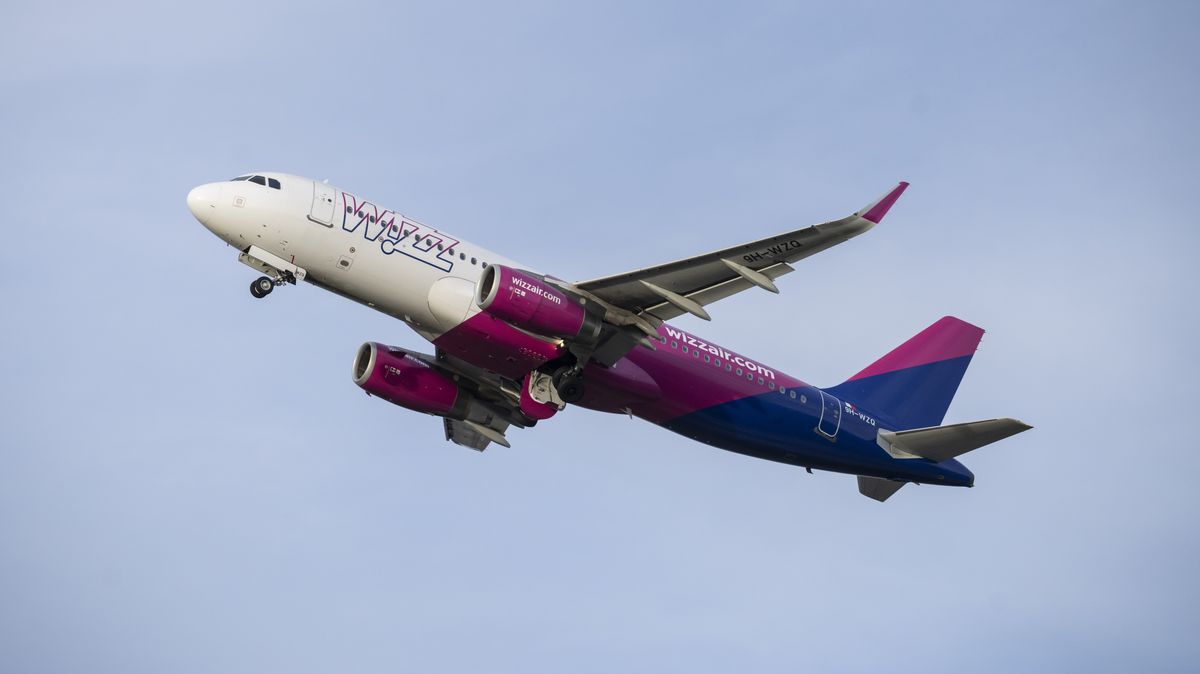
The article discusses concerns from industry figures regarding potential disruptions to jet fuel supply due to the Iran conflict, which could lead to delays, cancellations, and higher fares starting late spring. A low-cost airline, Wizz Air, has challenged these warnings, asserting that its operations will not be affected. The article highlights the broader implications of fuel shortages on summer travel, including increased operational costs and potential fare hikes. It also touches on the airline industry’s response, including price adjustments, profit margin reductions, and discussions about collaboration among competitors to mitigate the impact of rising fuel costs.
Key Points:
- Industry figures warn that the Iran conflict could disrupt jet fuel supply from late spring, potentially causing travel delays, cancellations, and higher fares.
- Wizz Air, a low-cost airline, disputes these warnings, stating that its operations will not be impacted by the jet fuel shortage.
- The article outlines broader industry responses, including price adjustments, reduced profit forecasts, and increased collaboration among airlines to manage the effects of rising fuel costs.
Actionable Takeaways:
-
Fuel Cost Management: Airlines should proactively manage fuel costs by exploring alternative fuel sources or negotiating long-term contracts with fuel suppliers to mitigate the impact of potential shortages. This is crucial as rising fuel prices directly affect operational costs and passenger fares.
-
Price Adjustments and Profit Margins: Airlines may need to adjust ticket prices to cover increased fuel costs, which could lead to reduced profit margins. Companies should communicate these changes transparently to passengers and consider offering loyalty programs or discounts to retain customer loyalty during challenging times.
-
Collaboration Among Competitors: The article suggests that airlines are discussing ways to collaborate, such as sharing resources or coordinating schedules, to better manage the effects of fuel shortages. This collaboration could lead to more stable operations and potentially more competitive pricing in the market.
Contextual Insights:
The concerns raised in the article are reflective of the broader challenges faced by the aviation industry in the face of geopolitical tensions and supply chain disruptions. The Iran conflict has highlighted vulnerabilities in global supply chains, particularly in critical resources like jet fuel. This situation underscores the need for the industry to invest in diversifying fuel sources and improving supply chain resilience. Additionally, the response from airlines, such as Wizz Air’s denial of operational impact, highlights the varying degrees of preparedness among different carriers. As the travel industry continues to navigate these challenges, there is a growing emphasis on innovation in travel tech, such as dynamic pricing models and improved route optimization, to adapt to fluctuating fuel costs and other external pressures. The article also points to the importance of strategic partnerships and collaborations among airlines and other stakeholders to collectively address these challenges and maintain industry stability.
Read the Complete Article.



