
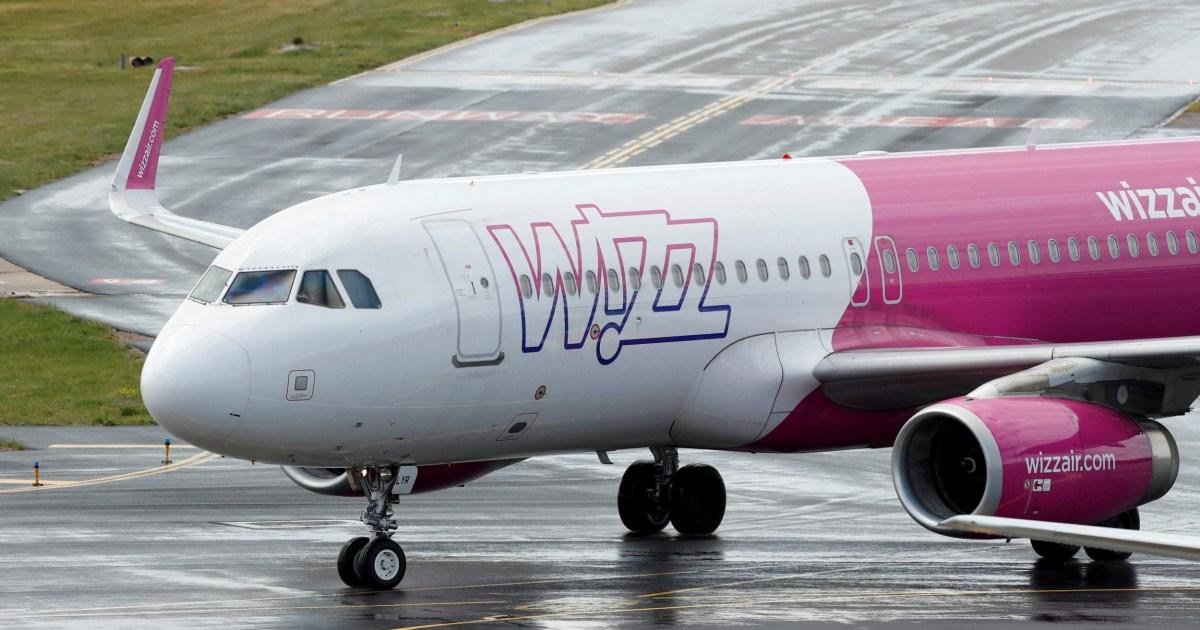
Wizz Air imposes £55 fines for carrying common flight essential
THE NEWS: Wizz Air’s hand‑luggage policy, already noted for “less than generous” allowances and “strict” enforcement, also features a controversial rule...
Read moreDetailsEvery alert that matters — when it happens.

Photo Credit: Wizz Air
The aviation industry is constantly seeking innovative solutions to enhance operational efficiency, reduce costs, and minimize environmental impact. Hungarian low-cost carrier Wizz Air is taking a significant leap forward by implementing cutting-edge AI-driven flight path optimization technology. This strategic move promises to unlock substantial benefits, not only for the airline but also for its passengers and the planet.
At its core, this new technology utilizes artificial intelligence to analyze vast datasets and predict optimal flight paths in real-time. Unlike traditional, static flight planning, Wizz Air’s AI system can dynamically adjust routes based on a multitude of variables. These include current weather conditions, air traffic control instructions, wind speed and direction, and even the most fuel-efficient altitudes. This continuous, data-driven approach allows for micro-adjustments that can lead to significant cumulative savings.
The primary objective of this AI integration is to achieve substantial fuel efficiency. Fuel is a major operating expense for airlines, and even marginal improvements in consumption translate into significant financial gains. By optimizing flight paths, Wizz Air can reduce the overall distance flown, minimize time spent in holding patterns, and maintain more consistent cruising altitudes. This not only lowers fuel costs but also directly contributes to a reduction in carbon emissions, aligning with the industry’s growing commitment to sustainability.
Beyond fuel savings, the AI-driven system offers a cascade of other advantages. Improved flight path predictability can lead to more accurate arrival times, enhancing customer satisfaction and allowing for smoother integration into airport operations. Reduced engine usage due to more efficient routing also contributes to lower noise pollution around airports. Furthermore, by streamlining air traffic management through more predictable flight paths, the technology can alleviate congestion in busy airspace, benefiting all users.
Wizz Air’s proactive adoption of this advanced AI signifies a forward-thinking approach to the challenges facing modern aviation. In an increasingly competitive and environmentally conscious market, leveraging artificial intelligence is no longer a luxury but a necessity for airlines aiming to maintain a competitive edge and operate responsibly. This investment in AI-driven flight path optimization positions Wizz Air as a leader in technological innovation within the low-cost carrier sector, setting a benchmark for others to follow. As the technology matures and its capabilities expand, we can anticipate even more sophisticated applications of AI in aviation, further transforming how we fly.
The article mentions the implementation of AI-driven flight path optimization technology by Wizz Air. While specific financial figures, KPIs, or revenue numbers are not explicitly detailed in the provided text, the core benefits and stated objectives include:
Read the Complete Article.
THE NEWS: Wizz Air’s hand‑luggage policy, already noted for “less than generous” allowances and “strict” enforcement, also features a controversial rule...
Read moreDetails

Experience the magic of the Nile aboard Kenzy Dahabeya, a luxury boutique sailing cruise that offers an unforgettable journey between...
Read moreDetails





