












Comprehensive Summarization:
The article discusses the current state of travel demand, particularly for the peak summer season. Despite a hesitant demand, the article indicates that bookings are higher than last year, positioning the industry as stronger. It highlights the challenges of potential overcrowding and increased costs in Europe. Many airlines, especially low-cost carriers, are responding to this strong demand by increasing flights. Wizz Air, for instance, plans to increase its capacity. The article underscores the crucial stage the industry is at in deciding how to manage the summer season, balancing demand with the potential downsides of overcrowding and rising costs.
Key Points:
- Demand for travel is hesitant but higher than last year, particularly for the peak summer season.
- Many airlines, especially low-cost carriers, are increasing flights in Europe due to strong expected demand.
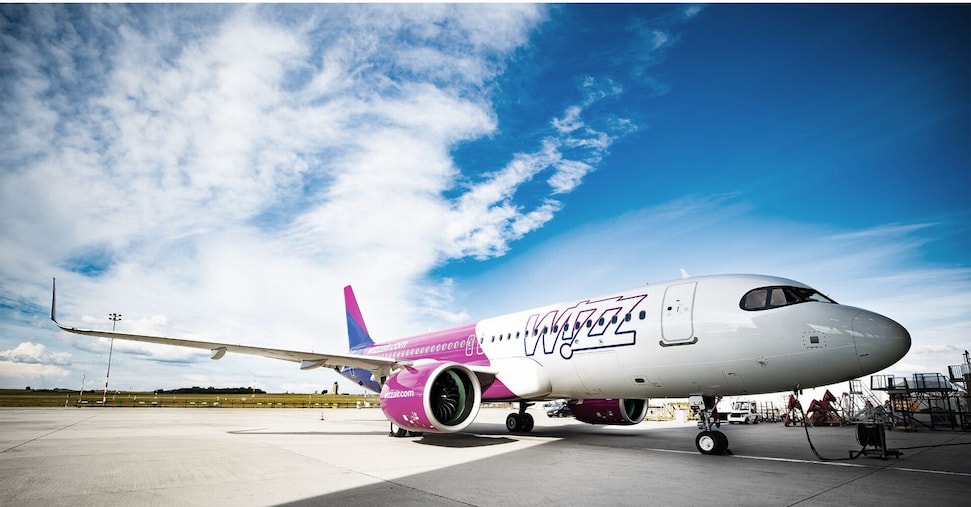
- Wizz Air plans to increase its capacity in response to the demand surge.
- Europe could become too crowded and expensive during the summer season.
Actionable Takeaways:
-
Increase Flight Capacity Strategically: Airlines, particularly low-cost carriers, should consider increasing flight capacity in Europe to meet the strong demand. This strategic move could help manage the influx of travelers without causing overcrowding, thus potentially mitigating the risk of increased costs for both airlines and passengers.
-
Monitor and Manage Costs: As Europe approaches a stage where it might become too crowded and expensive, airlines should closely monitor costs associated with increased capacity. This includes fuel prices, airport fees, and labor costs. Effective cost management will be crucial to maintaining profitability while offering competitive pricing to travelers.
-
Focus on Customer Experience: With the potential for overcrowding, airlines should prioritize enhancing the customer experience. This could involve improving in-flight services, offering flexible booking options, and providing clear communication about flight schedules and capacities. A positive customer experience can offset concerns about overcrowding and high costs, encouraging bookings.
Contextual Insights:
The article reflects the current travel industry’s response to a cautious demand environment, driven by uncertainties in travel post-pandemic. The emphasis on increasing flight capacity, especially by low-cost carriers like Wizz Air, aligns with broader industry trends of expanding capacity to meet anticipated demand. This strategy is particularly relevant in Europe, where summer is a peak travel season, and managing demand effectively is crucial for maintaining a balance between accessibility and affordability. The potential for overcrowding and rising costs underscores the need for strategic planning and operational efficiency. As the travel industry continues to evolve, integrating technological solutions for real-time demand management and customer engagement will be key to navigating these challenges successfully. The insights provided in the article highlight the importance of balancing growth with sustainability, ensuring that the industry can meet traveler needs without compromising on quality or profitability.
Read the Complete Article.



