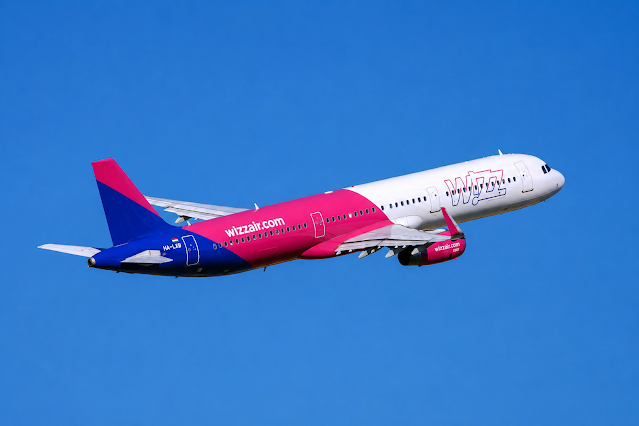
Wizz Air launches new Belgrade‑Beauvais service for travelers
THE NEWS: Nikola Lazić concluded a three‑week Balkan summer holiday with a flight, after extending his break into 2026 to...
Read moreDetailsEvery alert that matters — when it happens.
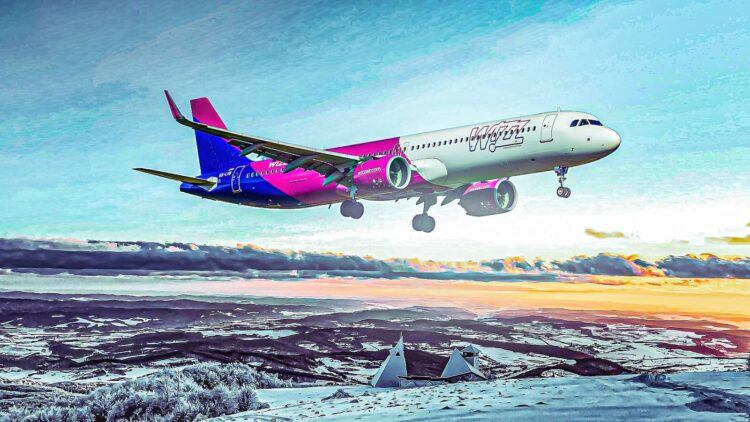
Wizz Air Has Launched Flights To 8 Massive New Destinations: Full List Revealed
THE NEWS:
Wizz Air, the Hungarian low‑cost carrier, is expanding its network by adding routes to secondary European cities, a strategy it maintained throughout the coronavirus pandemic while many rivals reduced capacity.
DETAILS:
WHY IT MATTERS:
The continued push into secondary airports suggests sustained demand for affordable connectivity across lesser‑served European markets, offering opportunities for local tourism boards, airport operators, and travel agents to develop new product offerings and partnerships.
FAQ
What strategy is Wizz Air using for its network growth?
Wizz Air is adding routes to secondary European cities, maintaining an aggressive low‑cost expansion approach even during the COVID‑19 pandemic, as part of its effort to increase market share in Europe’s competitive budget‑airline sector.
How did Wizz Air’s pandemic‑era actions differ from other airlines?
While many carriers reduced capacity, Wizz Air “continued to use” its growth strategy throughout the coronavirus pandemic, keeping route expansion active rather than cutting services.
Why are secondary European cities important for low‑cost carriers?
Targeting secondary airports allows low‑cost airlines like Wizz Air to access underserved markets, lower operating costs, and attract price‑sensitive travelers, helping them capture additional demand in Europe’s densely competitive budget‑airline environment.
Read Original Article.
THE NEWS: Nikola Lazić concluded a three‑week Balkan summer holiday with a flight, after extending his break into 2026 to...
Read moreDetails
Experience the magic of the Nile aboard Kenzy Dahabeya, a luxury boutique sailing cruise that offers an unforgettable journey between...
Read moreDetails