












Comprehensive Summarization:
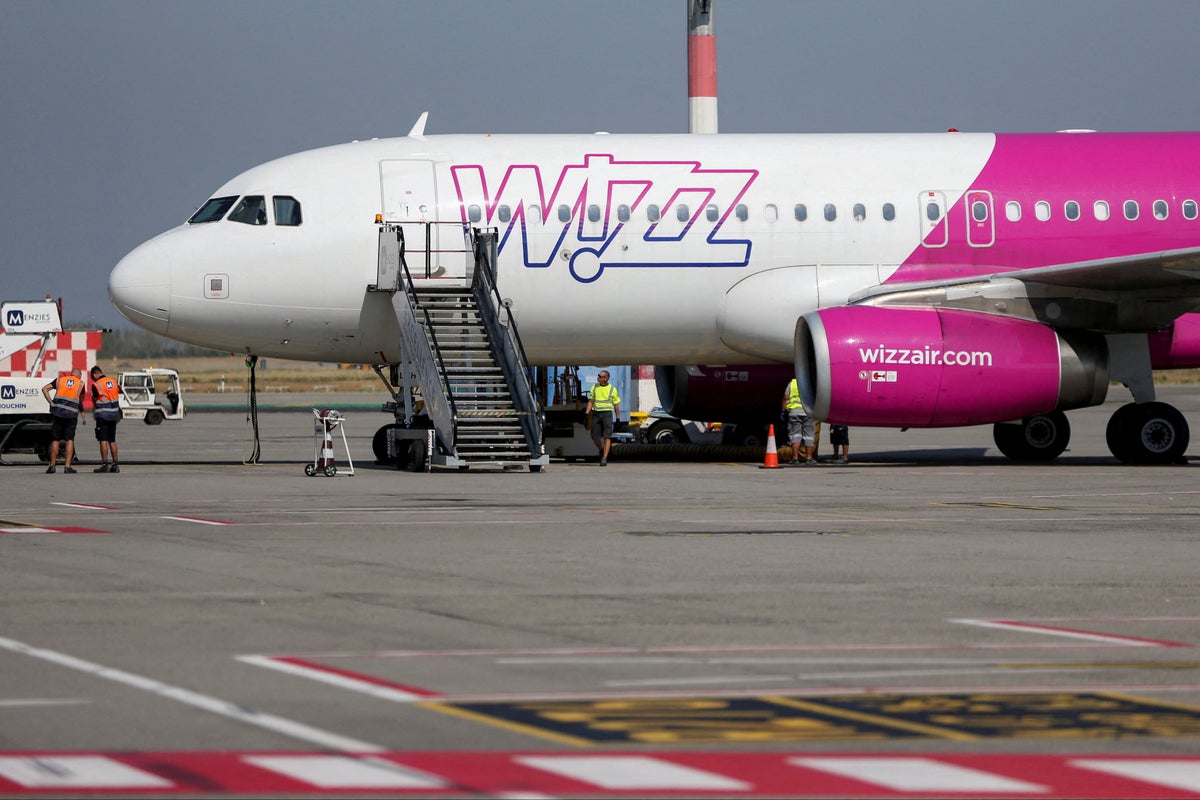
Wizz Air, a budget airline, has reported a significant decline in annual profits, with operating profits dropping by 62% to €167.5 million (£141 million). The downturn is attributed to a fifth of its fleet being grounded due to engine issues. Despite these challenges, Wizz Air highlighted that it flew a record 63.4 million passengers in the first half of 2025. The article provides a snapshot of the airline’s financial struggles and operational challenges, emphasizing the impact of fleet maintenance issues on its profitability.
Key Points:
- Wizz Air’s operating profits dropped by 62% to €167.5 million (£141 million) in the latest annual report.
- The decline is primarily due to a fifth of the airline’s fleet being grounded for engine issues.
- Despite the financial challenges, Wizz Air achieved a record 63.4 million passengers in the first half of 2025.
- The airline attributes the financial downturn to maintenance issues affecting its fleet.
Actionable Takeaways:
-
Operational Risk Management: Airlines should prioritize regular maintenance and fleet health monitoring to prevent unexpected grounding and financial losses. This takeaway is crucial as it highlights the direct impact of maintenance issues on an airline’s profitability and operational efficiency.
-
Focus on Passenger Volume: Despite financial setbacks, Wizz Air managed to maintain a record number of passengers. Airlines can leverage this insight to focus on strategies that boost passenger volume, such as competitive pricing, improved customer service, and strategic route planning. This is particularly relevant in the current travel industry, where passenger numbers are a key indicator of an airline’s health and market position.
Contextual Insights:
The financial challenges faced by Wizz Air underscore the vulnerabilities within the budget airline sector, particularly concerning fleet maintenance and operational efficiency. This situation is reflective of broader industry trends where cost management and technological reliability are paramount. The record passenger numbers, despite the financial downturn, suggest that demand for budget travel remains strong, albeit sensitive to operational reliability. For travel startups and fintech innovations, this case study highlights the importance of robust operational frameworks and financial resilience. Innovations in fleet management technology and predictive maintenance could offer solutions to mitigate such risks, potentially transforming how airlines operate and compete in the market.
Read the Complete Article.



