
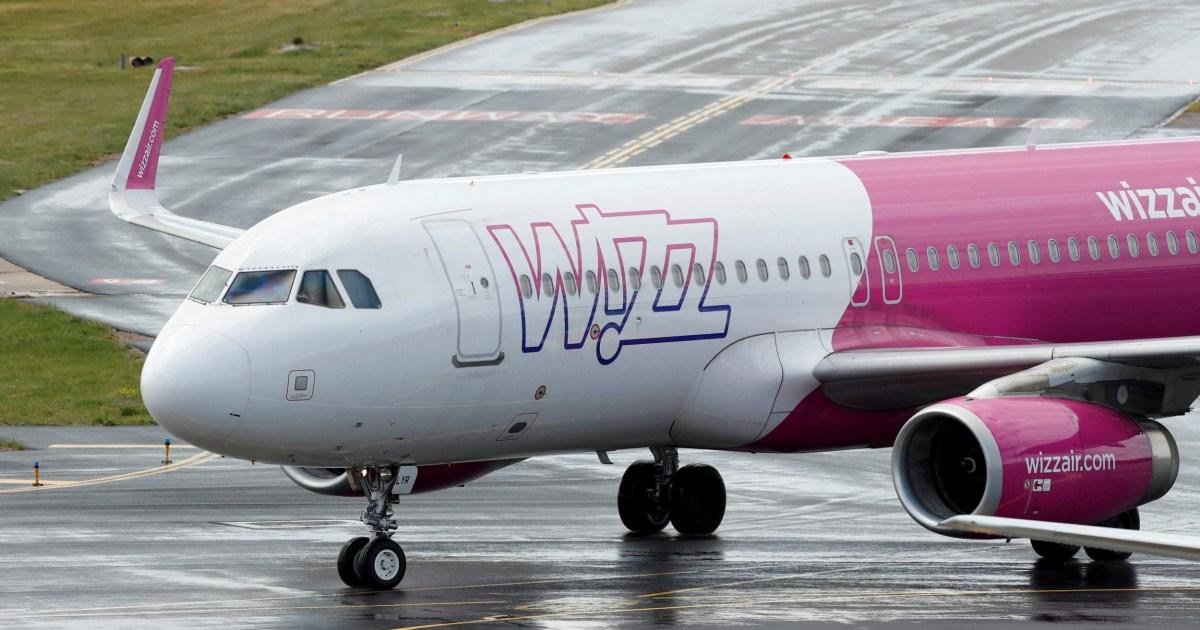
Wizz Air imposes £55 fines for carrying common flight essential
THE NEWS: Wizz Air’s hand‑luggage policy, already noted for “less than generous” allowances and “strict” enforcement, also features a controversial rule...
Read moreDetailsEvery alert that matters — when it happens.

The global tourism industry is navigating a complex and increasingly volatile landscape, with geopolitical tensions emerging as a significant disruptor to travel patterns and economic recovery. While the sector has shown resilience in the face of previous challenges, the current climate presents unique obstacles that demand strategic adaptation and careful forecasting.
A recent analysis highlights that escalating conflicts and political instability in various regions are directly impacting travel decisions. Potential tourists are demonstrating a heightened awareness of safety and security, leading to a noticeable shift in destination preferences. Destinations perceived as stable and politically neutral are experiencing a surge in interest, while those embroiled in conflict or facing diplomatic strains are seeing a marked decline in bookings.
This shift has profound implications for revenue generation and employment within the travel ecosystem. Airlines, hotels, tour operators, and local businesses reliant on tourism are all feeling the effects of this altered demand. For instance, destinations heavily dependent on long-haul travel are particularly vulnerable, as the perceived risk associated with extended journeys in uncertain times can deter travelers.
Furthermore, the article points to the interconnectedness of the global economy and the travel sector. Disruptions in one area can have ripple effects across multiple markets. Supply chain issues exacerbated by geopolitical events, such as fuel price volatility and air traffic restrictions, add another layer of complexity. These factors not only increase operational costs for travel providers but also translate into higher prices for consumers, potentially further dampening demand.
The rise of artificial intelligence in travel planning is also being influenced by these geopolitical shifts. Travelers are increasingly using AI-powered tools to gather real-time information on safety advisories, travel restrictions, and political sentiment in potential destinations. This reliance on accurate, up-to-the-minute data underscores the need for transparency and reliable information dissemination from both governments and travel organizations.
Industry professionals are keenly observing these trends, focusing on diversifying offerings, enhancing security protocols, and investing in markets with greater stability. The ability to adapt to rapidly changing geopolitical realities will be crucial for the sustained recovery and growth of global tourism. Building trust and communicating effectively about safety measures are paramount in reassuring travelers and restoring confidence in international travel. The industry must remain agile, responsive, and proactive in addressing the evolving challenges to ensure a robust and sustainable future.
Read the Complete Article.
THE NEWS: Wizz Air’s hand‑luggage policy, already noted for “less than generous” allowances and “strict” enforcement, also features a controversial rule...
Read moreDetails

Experience the magic of the Nile aboard Kenzy Dahabeya, a luxury boutique sailing cruise that offers an unforgettable journey between...
Read moreDetails





