












Article Summary:
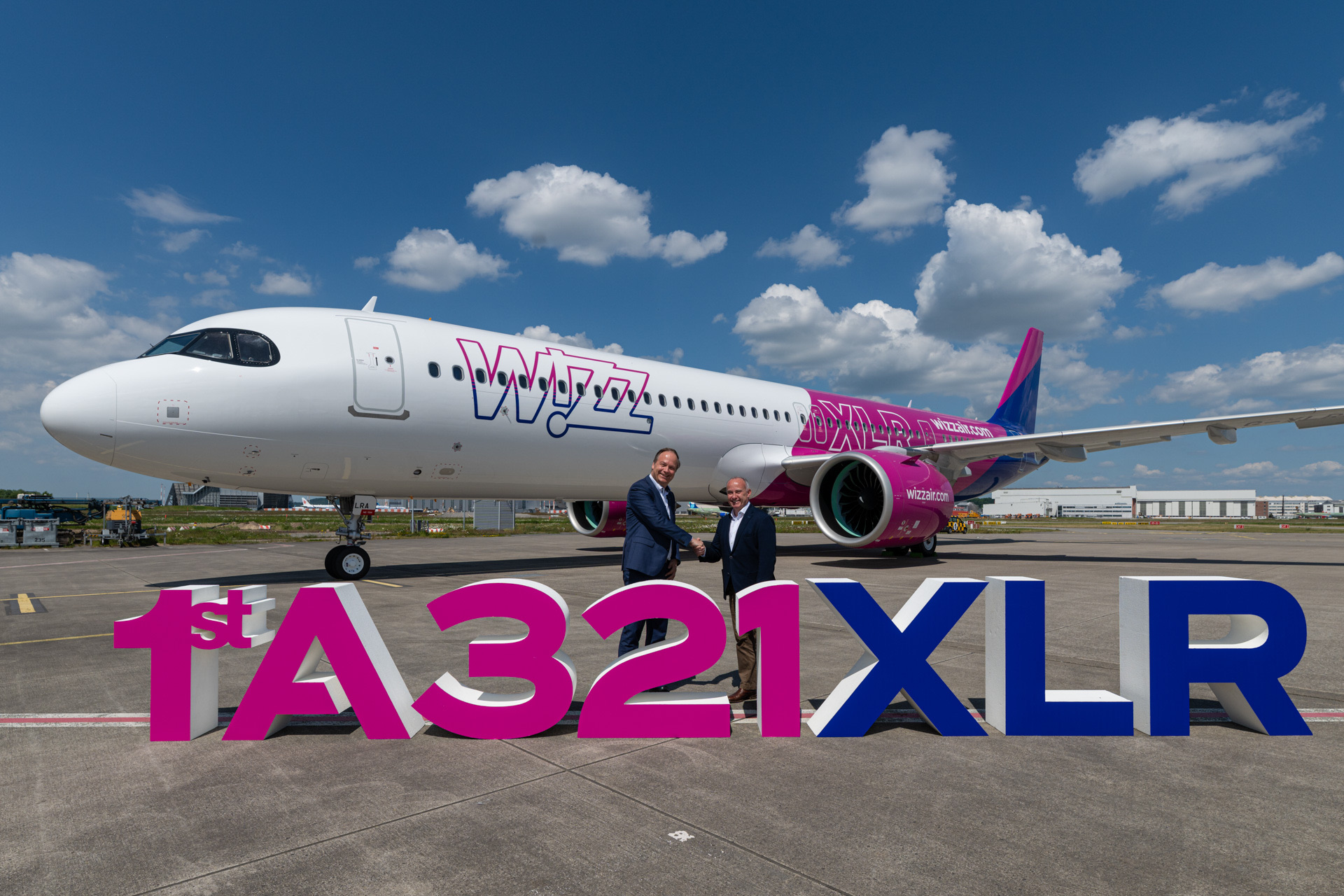
Wizz Air has announced a strategic shift in its order book for the Airbus A321XLR, reducing its commitment to this model in favor of the A321neo. The airline has already taken delivery of 5 units of the A321XLR and plans to convert the majority of its commitment to the A321neo. This decision reflects a broader trend in the travel industry towards optimizing fleet compositions based on operational efficiency and cost-effectiveness.
Key Points:
- Wizz Air is adjusting its order book for the Airbus A321XLR, opting to reduce its commitment to this model.
- The airline has decided to convert the majority of its A321XLR commitment to the A321neo.
- Wizz Air has already taken delivery of 5 units of the A321XLR.
- The shift in order book is indicative of a broader industry trend towards optimizing fleet compositions.
Actionable Takeaways:
- Strategic Fleet Optimization: Wizz Air’s decision to shift from the A321XLR to the A321neo demonstrates the importance of strategic fleet optimization in the travel industry. Airlines are increasingly focusing on models that offer better cost-efficiency and operational flexibility, which can lead to significant savings in fuel and maintenance costs.
- Adaptation to Market Conditions: This move highlights the need for airlines to remain agile in response to market conditions and technological advancements. By converting their order commitments, airlines can better align their fleets with current operational demands and future-proof their operations.
- Influence on Industry Trends: Wizz Air’s strategic shift could influence other airlines to reassess their fleet compositions, potentially leading to a broader industry trend towards the A321neo. This could drive demand for the A321neo and impact the supply and pricing dynamics in the aircraft market.
Contextual Insights:
The article reflects the ongoing evolution in the travel industry, where airlines are leveraging technological advancements and market insights to optimize their operations. The shift from the A321XLR to the A321neo is a strategic response to the growing emphasis on cost-efficiency and operational flexibility in the aviation sector. This trend is part of a larger movement towards digital transformation and data-driven decision-making in the travel industry, where airlines are increasingly using advanced analytics and AI to enhance their service offerings and operational efficiency.
Handling Different Article Types:
The article is a news blurb, providing factual information about Wizz Air’s strategic decision. The structured output format ensures that the key points and actionable takeaways are clearly presented, making it easy for readers to digest and apply the information. The contextual insights integrate the latest travel trends and expert opinions, offering a forward-looking perspective on the implications of Wizz Air’s decision for the broader travel industry.
Read the Complete Article.



