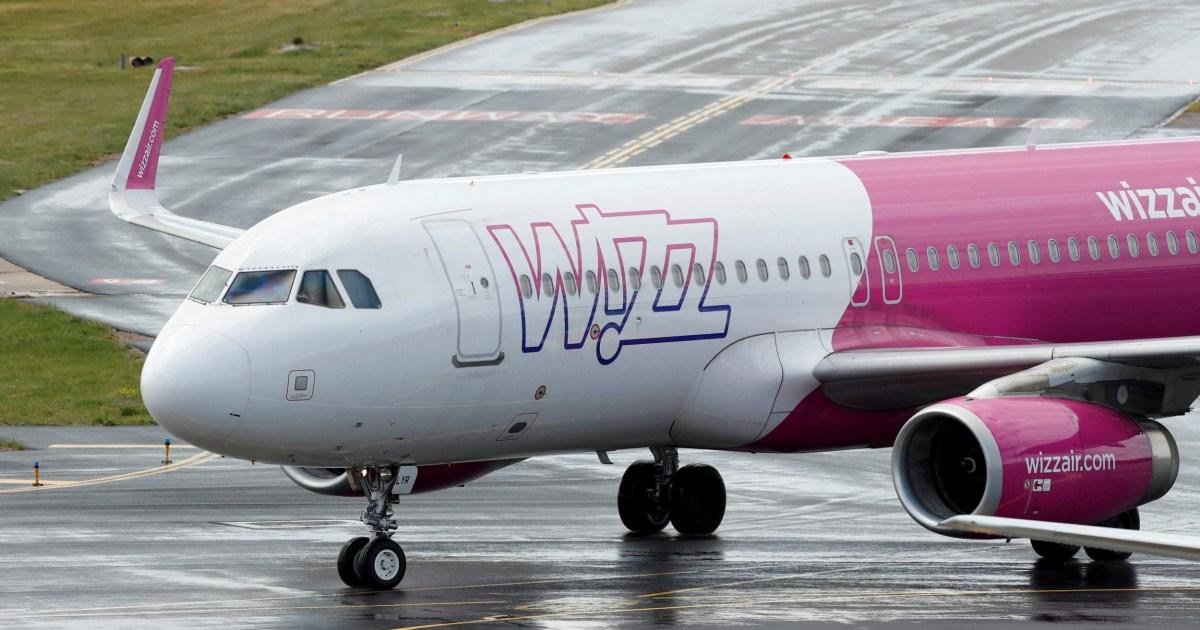
Wizz Air imposes £55 fines for carrying common flight essential
THE NEWS: Wizz Air’s hand‑luggage policy, already noted for “less than generous” allowances and “strict” enforcement, also features a controversial rule...
Read moreDetailsEvery alert that matters — when it happens.
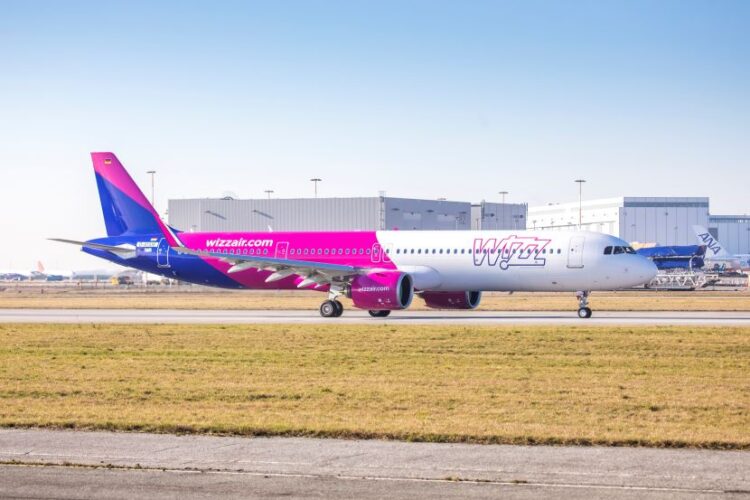
Lufthansa City Airlines
Comprehensive Summarization:
Wizz Air, along with SAS, Lufthansa, and KLM, is grappling with the intensifying Middle East conflict in 2026, which has led to a surge in jet fuel prices to record highs and a freezing of global travel momentum. This article, published on March 11, 2026, highlights the turbulence faced by the aviation sector due to the crisis, impacting airlines’ operations and travel plans. The escalating conflict has created significant challenges for airlines, leading to operational disruptions and financial strain as they navigate the volatile market conditions.
Key Points:
Actionable Takeaways:
Contextual Insights:
The article reflects the current state of the travel industry amidst geopolitical tensions, specifically the Middle East conflict. The surge in jet fuel prices and the freezing of global travel are direct consequences of the escalating crisis, highlighting the vulnerability of the aviation sector to external geopolitical factors. This situation underscores the need for airlines to adopt flexible operational strategies and invest in digital solutions to navigate the challenges posed by such conflicts. The insights provided are crucial for understanding the broader implications of geopolitical events on the travel industry and for developing strategies to mitigate associated risks.
Read the Complete Article.
THE NEWS: Wizz Air’s hand‑luggage policy, already noted for “less than generous” allowances and “strict” enforcement, also features a controversial rule...
Read moreDetails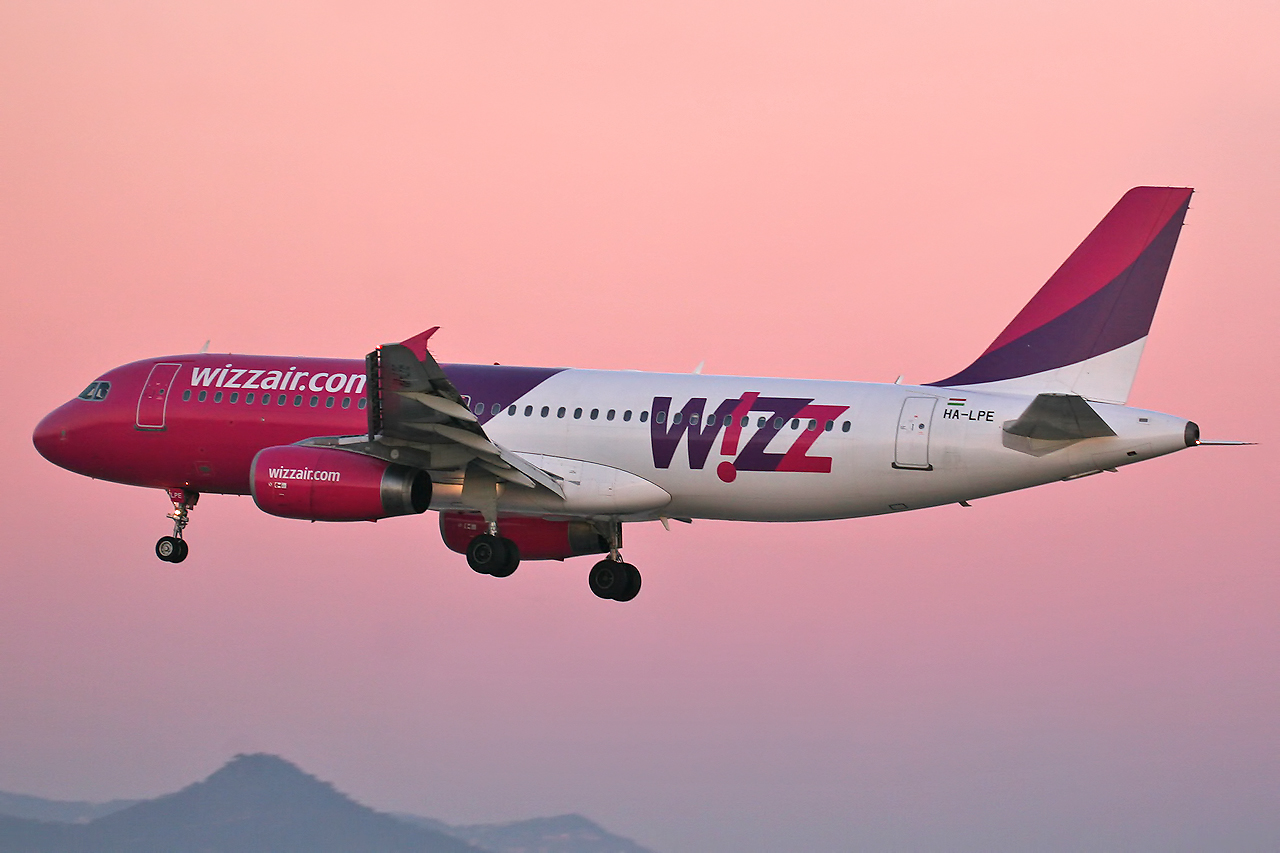

Experience the magic of the Nile aboard Kenzy Dahabeya, a luxury boutique sailing cruise that offers an unforgettable journey between...
Read moreDetails