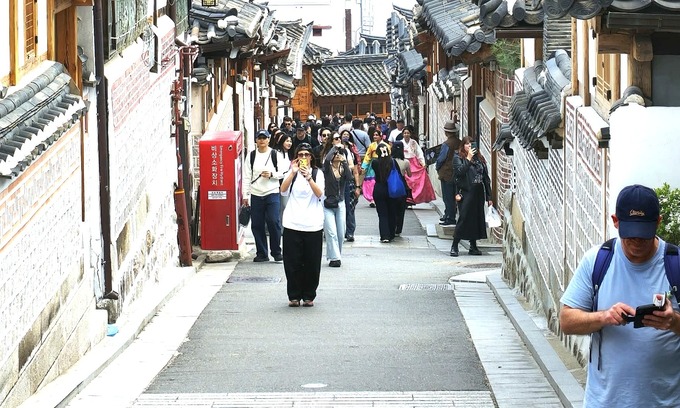
South Korea Welcomes 10.7M Visitors, Exceeds Pre-Covid Tourism Levels
Comprehensive Summarization: The article discusses a significant increase in South Korea's inbound tourism in the first half of the year,...
Read moreDetails
Comprehensive Summarization:
The article discusses Korea’s proactive measures to capitalize on the upcoming holiday travel surge, particularly from Japan and China, amidst rising airfares. The Korea Ministry of Culture, Sports, and Tourism has launched a series of initiatives in collaboration with the Korea Tourism Organization, timed with Japan’s Golden Week and China’s Labor Day holidays. These initiatives aim to attract between 180,000 and 200,000 visitors during the period, with an expected influx of 80,000 to 90,000 from Japan and 100,000 to 110,000 from China. The article underscores the strategic importance of these holidays in boosting tourism and the role of targeted campaigns in driving visitor numbers.
Key Points:
Actionable Takeaways:
Targeted Campaigns for Increased Visitor Numbers: The article highlights the importance of targeted campaigns in driving visitor numbers during peak travel periods. By aligning promotional efforts with major holidays like Japan’s Golden Week and China’s Labor Day, Korea can effectively boost tourism. This strategy is particularly relevant in the current travel landscape, where competition for tourists is high, and airfares are rising. Implementing such campaigns can help maintain and potentially increase visitor numbers, ensuring a robust tourism sector.
Leveraging Major Holidays for Tourism Boost: The strategic timing of the initiatives with major holidays provides a unique opportunity for Korea to capitalize on increased travel demand. By offering discounts and engaging in targeted marketing, the country can attract a significant number of visitors from key markets like Japan and China. This approach not only helps in filling hotel rooms and airline seats but also supports local businesses and economies during these peak periods. Understanding and leveraging major holidays can be a powerful tool for travel companies and destinations aiming to enhance their market presence and revenue.
Contextual Insights:
The article reflects the current travel industry’s emphasis on strategic planning and targeted marketing to navigate challenges such as rising airfares. The proactive measures taken by the Korea Ministry of Culture, Sports, and Tourism, in collaboration with the Korea Tourism Organization, demonstrate a forward-thinking approach to tourism promotion. This context is crucial in understanding the broader trends in the travel industry, where destinations are increasingly leveraging major holidays and cultural events to attract international visitors. The focus on Japan and China as key markets underscores the importance of regional partnerships and cultural alignment in travel marketing strategies. As the travel industry continues to evolve, such targeted initiatives will likely become more prevalent, driven by the need to adapt to changing consumer behaviors and market conditions. The insights provided in the article align with current industry trends, emphasizing the role of technology and strategic planning in enhancing tourism growth.
Read the Complete Article.
Comprehensive Summarization: The article discusses a significant increase in South Korea's inbound tourism in the first half of the year,...
Read moreDetails

Experience the magic of the Nile aboard Kenzy Dahabeya, a luxury boutique sailing cruise that offers an unforgettable journey between...
Read moreDetails