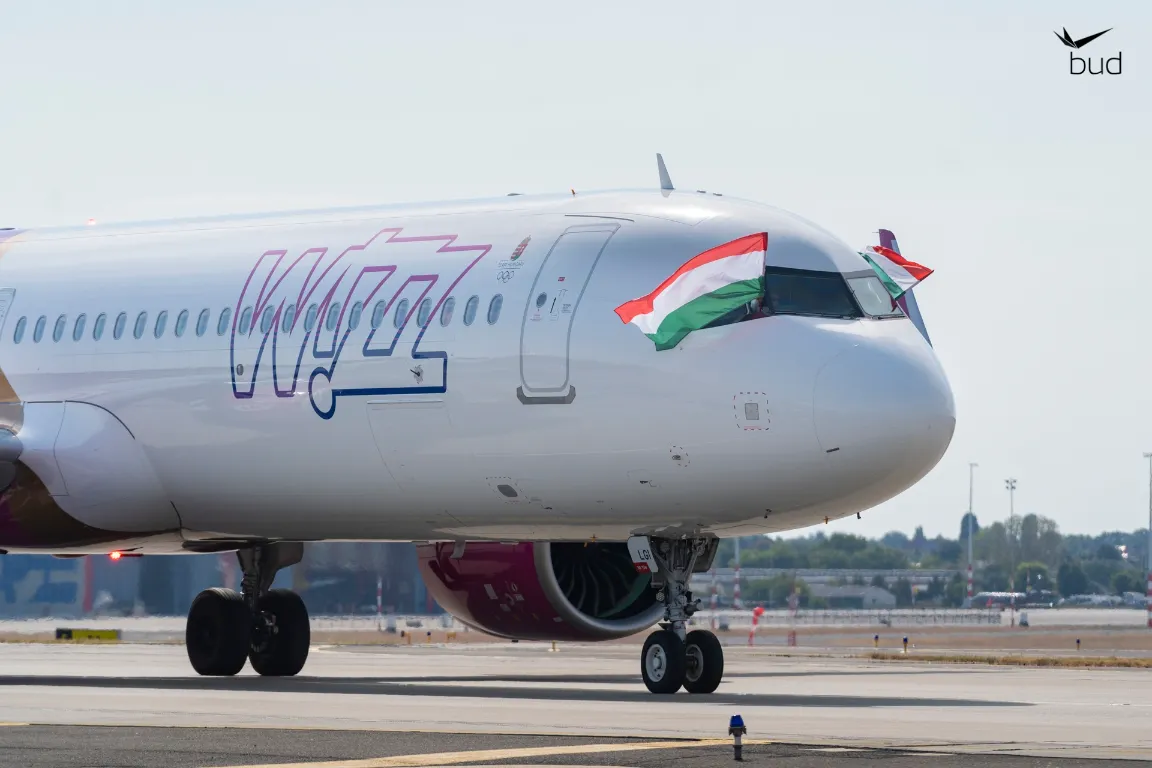
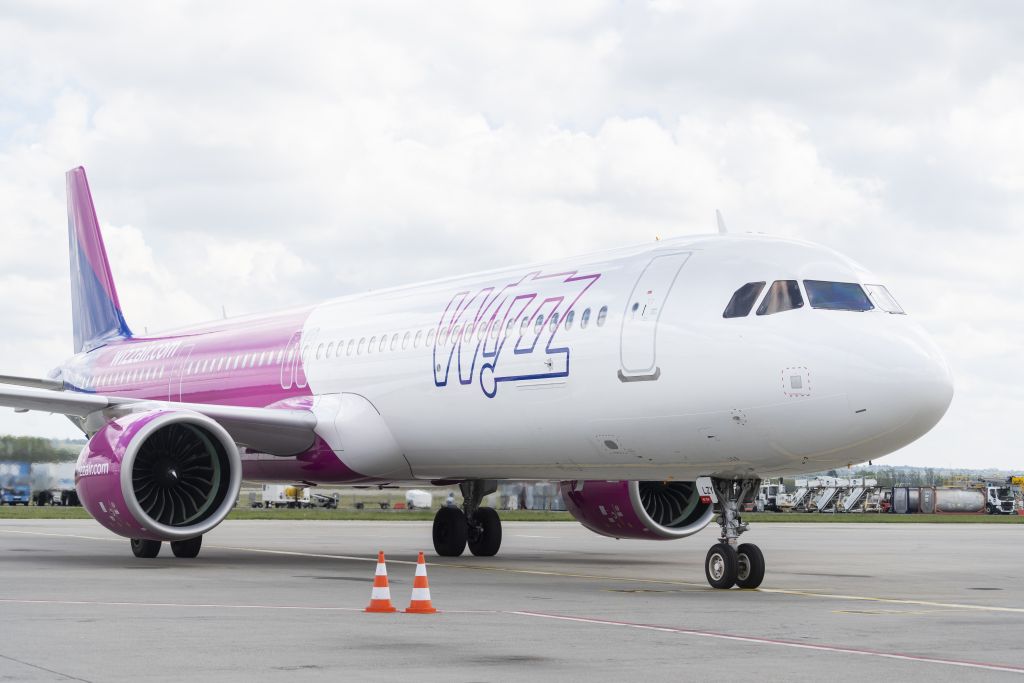
Wizz Air Holdings Non-Executive Deputy Chairman acquires 27% More Stock
THE NEWS: Non‑Executive Deputy Chairman Stephen Johnson bought UK£159,000 of Wizz Air Holdings Plc shares at UK£10.58 each, raising his...
Read moreDetails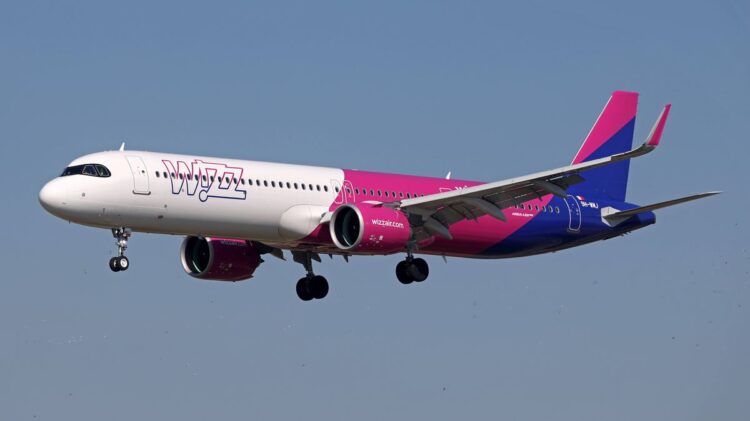
(Image: NurPhoto, NurPhoto via Getty Images)
Comprehensive Summarization:
The UK Government has introduced a rule change on May 3, 2026, allowing airlines to group passengers from different flights together. This development was highlighted by Wizz Air, which issued an update to its passengers confirming its flight plans following the new official measures. The article, authored by Robert Rowlands, Deputy editor, money and lifestyle, content hub, provides a snapshot of the latest travel trends and insights from thought leaders, offering a professional perspective on the evolving travel industry.
Key Points:
Actionable Takeaways:
Adaptation to New Regulations: Airlines should review and adapt their passenger grouping strategies to comply with the new UK Government regulations. This may involve updating operational procedures and communication protocols to ensure a smooth transition for passengers.
Enhanced Communication with Passengers: Airlines should enhance their communication strategies to inform passengers about the new grouping measures. Clear and timely updates can help manage passenger expectations and reduce confusion, thereby improving overall customer satisfaction.
Leverage Technology for Efficiency: The introduction of this rule change underscores the importance of leveraging technology in the travel industry. Airlines should invest in advanced passenger management systems that facilitate efficient grouping and tracking of passengers, ensuring compliance and operational efficiency.
Contextual Insights:
The UK Government’s decision to allow airlines to group passengers from different flights together reflects a broader trend towards optimizing resource utilization and enhancing operational efficiency in the travel industry. This move aligns with the increasing emphasis on sustainability and cost-effectiveness, as grouping passengers can lead to more efficient use of aircraft capacity and reduced operational costs. Furthermore, this regulation is likely to have a ripple effect on the travel sector, prompting other airlines and travel companies to reassess their operational strategies. From a broader perspective, this development highlights the ongoing integration of technology in travel, where innovations in passenger management systems play a crucial role in adapting to regulatory changes. As the travel industry continues to evolve, staying abreast of such regulatory shifts and technological advancements will be essential for maintaining competitiveness and meeting the dynamic needs of travelers.
Read the Complete Article.
THE NEWS: Non‑Executive Deputy Chairman Stephen Johnson bought UK£159,000 of Wizz Air Holdings Plc shares at UK£10.58 each, raising his...
Read moreDetailsExperience the magic of the Nile aboard Kenzy Dahabeya, a luxury boutique sailing cruise that offers an unforgettable journey between...
Read moreDetails