












Comprehensive Summarization:
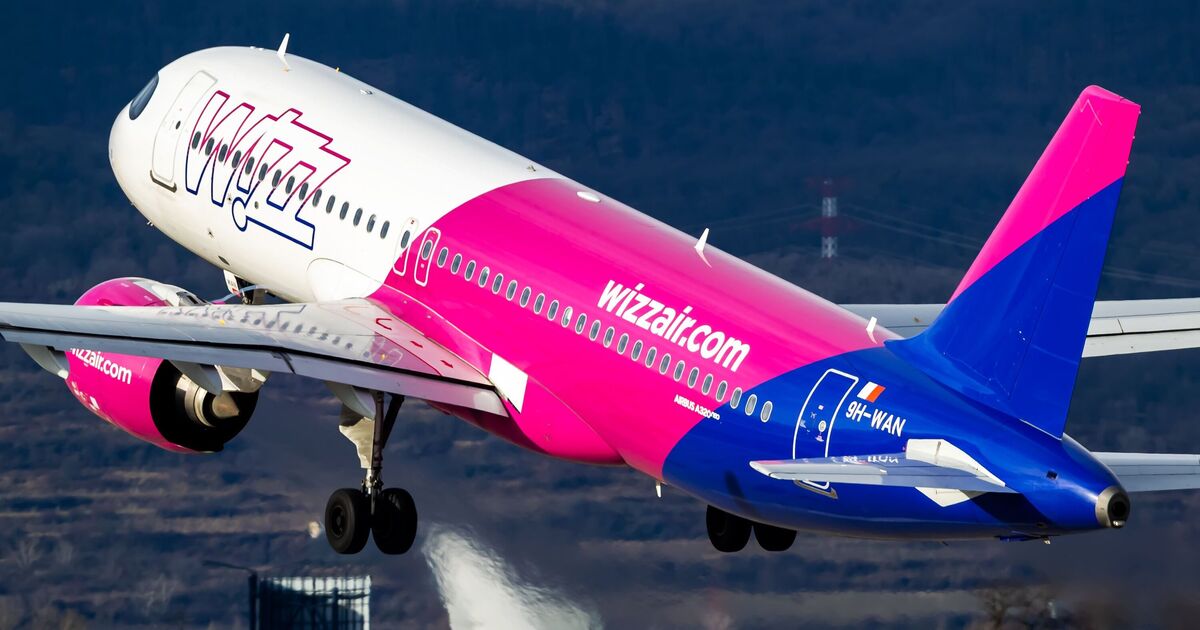
The article warns holidaymakers about potential disruptions for Wizz Air passengers this summer due to the airline’s fuel hedging levels and its low-cost model. The issue stems from the company’s least hedged position among European airlines, exacerbated by the closure of the Strait of Hormuz, which has significantly impacted jet fuel supply. Wizz Air’s reliance on a low-cost structure makes it particularly vulnerable to fuel supply crises, potentially leading to flight disruptions for its passengers. The article also touches on broader travel industry trends, emphasizing the challenges faced by airlines in managing fuel costs and the broader implications for the travel sector.
Key Points:
- Wizz Air faces potential disruption this summer due to fuel supply issues, exacerbated by the closure of the Strait of Hormuz.
- The airline’s low-cost model and relatively low fuel hedging levels make it particularly vulnerable to the current jet fuel supply crisis.
- The closure of the Strait of Hormuz has significantly impacted jet fuel supply, highlighting the challenges faced by airlines in maintaining operational continuity.
- Wizz Air’s situation underscores broader industry challenges related to fuel costs and supply chain vulnerabilities.
Actionable Takeaways:
-
Diversify Fuel Hedging Strategies: Airlines, including Wizz Air, should consider diversifying their fuel hedging strategies to mitigate risks associated with supply chain disruptions. This could involve exploring alternative hedging instruments or partnerships to ensure more stable fuel costs.
-
Enhance Operational Resilience: Airlines should invest in operational resilience measures, such as maintaining buffer stocks of fuel or establishing contingency plans for supply chain disruptions. This proactive approach can help minimize the impact of unforeseen events on flight operations and passenger experience.
-
Monitor Geopolitical Risks: The article highlights the impact of geopolitical events, such as the closure of the Strait of Hormuz, on fuel supply. Travel companies should closely monitor geopolitical developments and develop contingency plans to address potential disruptions in fuel supply.
Contextual Insights:
The article reflects the current challenges faced by the travel industry, particularly in managing fuel costs and supply chain vulnerabilities. The closure of the Strait of Hormuz has underscored the importance of diversifying supply routes and ensuring fuel security for airlines. This situation highlights the need for travel companies to adopt innovative solutions, such as advanced fuel management technologies and strategic partnerships, to enhance operational resilience. Furthermore, the article aligns with broader industry trends emphasizing the importance of agility and adaptability in the face of external disruptions. As the travel industry continues to evolve, stakeholders must remain vigilant and proactive in addressing emerging challenges to ensure sustained growth and customer satisfaction.
Read the Complete Article.



