










Sail Through Time: Discover the Timeless Wonders of Upper Egypt Aboard Kenzy Dahabeya
Experience the magic of the Nile aboard Kenzy Dahabeya, a luxury boutique sailing cruise that offers an unforgettable journey between...
Read moreDetails
What’s Behind More Than Six Per Cent Growth in Business Travel Spending in 2025, Will the Industry R...
Article Summary:
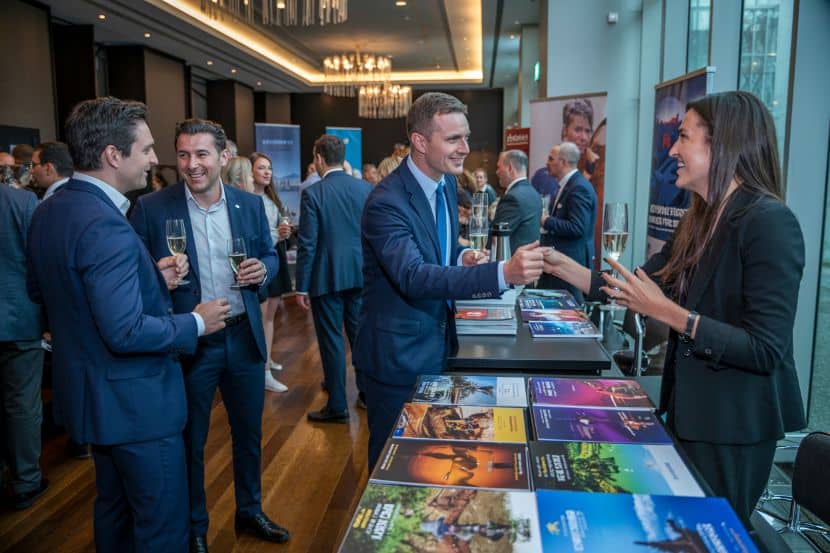
In July 2025, the business travel spending is projected to increase by more than six percent, driven by the post-pandemic recovery and heightened demand for in-person meetings. However, this growth is overshadowed by significant global uncertainties, including the US-China trade war, Middle East tensions, and the Russia-Ukraine conflict. These geopolitical challenges pose potential risks to the industry’s rebound in 2026. The article, authored by Tuhin Sarkar, highlights the complex interplay between economic recovery and geopolitical tensions in shaping the future of business travel.
Key Points:
Actionable Takeaways:
Risk Management in Travel Planning: Businesses should incorporate risk management strategies into their travel planning processes to mitigate the impact of geopolitical uncertainties. This could include diversifying travel destinations, implementing flexible booking policies, and investing in travel insurance that covers geopolitical risks.
Contextual Insights:
The article reflects the current state of the travel industry, characterized by a delicate balance between economic recovery and geopolitical challenges. The ongoing recovery from the pandemic has reignited demand for in-person meetings, signaling a return to traditional business practices. However, the presence of significant global uncertainties, such as the US-China trade war, Middle East tensions, and the Russia-Ukraine conflict, introduces a layer of complexity that could impact travel trends in 2026. These geopolitical factors may prompt businesses to reevaluate their travel strategies, focusing on risk mitigation and strategic planning to navigate the evolving landscape. The insights provided in the article align with recent travel trends highlighting the importance of adaptability, technological innovation, and strategic foresight in the face of uncertainty. As the industry continues to evolve, staying informed about these dynamics will be crucial for businesses aiming to thrive in the post-pandemic era.
Read the Complete Article.
Experience the magic of the Nile aboard Kenzy Dahabeya, a luxury boutique sailing cruise that offers an unforgettable journey between...
Read moreDetails



