








Sail Through Time: Discover the Timeless Wonders of Upper Egypt Aboard Kenzy Dahabeya
Experience the magic of the Nile aboard Kenzy Dahabeya, a luxury boutique sailing cruise that offers an unforgettable journey between...
Read moreDetails
Article Summary:
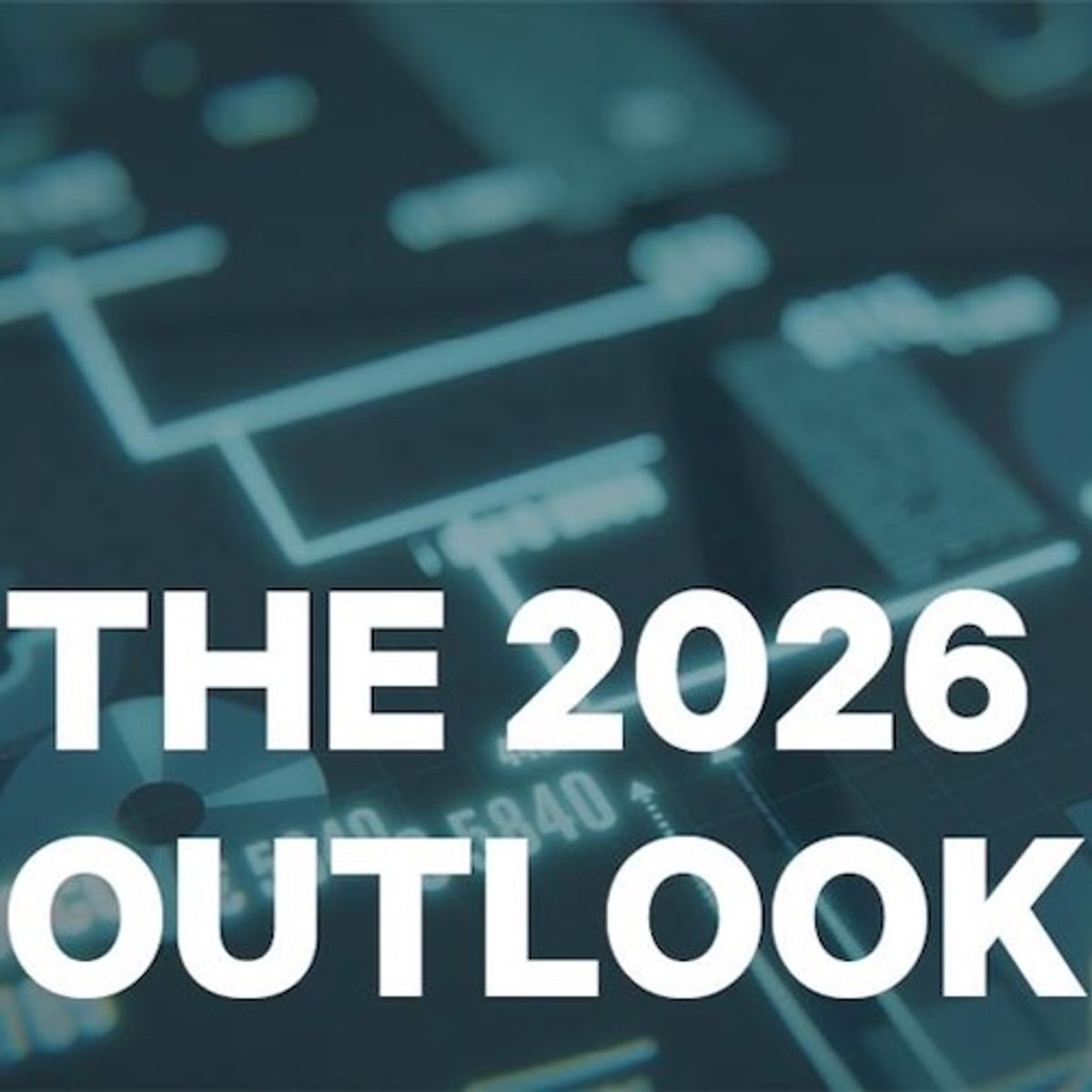
The article revisits the 2025 Outlook published in December last year, which forecasted moderate rate rises in a “fragile” environment. While these predictions were accurate, the article highlights an unforeseen impact of newly-imposed US trade tariffs on travel and business confidence. Catherine Logan from GBTA emphasizes the growing importance of trip value and traveling “smarter,” driven by cost savings. There is also a noted hope for 2025 to be “the year of sustainability action in business travel,” as suggested by consultant Sally Higgs.
Key Points:
Actionable Takeaways:
Cost Efficiency in Travel: Companies should focus on optimizing travel expenses by adopting smarter travel practices, such as consolidating trips and choosing cost-effective transportation options. This approach not only reduces costs but also aligns with the industry’s push towards sustainability.
Sustainability as a Business Priority: The article suggests that 2025 could be a turning point for sustainability in business travel. Companies should integrate sustainable practices into their travel policies, such as using eco-friendly transportation and accommodations, to meet growing consumer and stakeholder expectations.
Adaptation to Trade Policies: Businesses need to adapt to the impact of US trade tariffs on travel costs and business confidence. This may involve diversifying suppliers, renegotiating contracts, or investing in technology to streamline travel processes and mitigate financial risks.
Contextual Insights:
The article reflects the current challenges and opportunities in the travel industry, particularly in the wake of economic uncertainties and geopolitical shifts. The emphasis on cost efficiency and sustainability aligns with broader industry trends towards operational efficiency and environmental responsibility. Thought leaders’ insights underscore the importance of adapting to new trade policies and leveraging technology to enhance travel experiences while minimizing environmental impact. These insights suggest a forward-looking perspective on the industry’s evolution, emphasizing the need for innovation and strategic planning to navigate future challenges.
Read the Complete Article.
Experience the magic of the Nile aboard Kenzy Dahabeya, a luxury boutique sailing cruise that offers an unforgettable journey between...
Read moreDetails



