









Comprehensive Summarization:
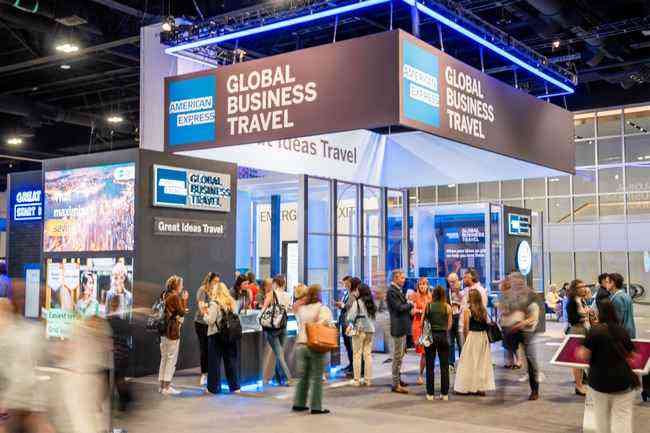
The article from American Express Global Business Travel (Amex GBT) highlights the pivotal role corporate travel programs are expected to play in shaping the future of aviation. According to Amex GBT’s 2026 SAF Index, corporate travel buyers could account for up to half of global Sustainable Aviation Fuel (SAF) demand by 2030. This shift signifies a significant change in the industry’s trajectory, moving away from reliance solely on airlines and government mandates towards corporate procurement as a critical driver for the adoption of lower-carbon aviation solutions. The report underscores the momentum in this direction, even amidst uncertainties in traditional fuel markets, emphasizing the potential for corporate travel programs to accelerate the transition to more sustainable aviation practices.
Key Points:
- Corporate travel buyers are projected to account for up to half of global Sustainable Aviation Fuel (SAF) demand by 2030, as indicated by Amex GBT’s 2026 SAF Index.
- The report positions corporate procurement as a critical lever in accelerating the transition to lower-carbon aviation, moving beyond traditional reliance on airlines and government mandates.
- Amid uncertainties in traditional fuel markets, there is clear momentum towards sustainable aviation solutions, driven by corporate travel programs.
Actionable Takeaways:
-
Corporate Procurement as a Catalyst for SAF Adoption: Companies should prioritize the development and expansion of their corporate travel programs to leverage their purchasing power in driving the adoption of Sustainable Aviation Fuel (SAF). This strategic shift can significantly contribute to the aviation industry’s transition towards lower-carbon practices, aligning with global sustainability goals.
-
Investment in Sustainable Aviation Technologies: Businesses should explore and invest in technologies and partnerships that facilitate the use of Sustainable Aviation Fuel (SAF). By positioning themselves as leaders in sustainable aviation, companies can not only reduce their carbon footprint but also gain a competitive edge in the evolving travel industry landscape.
Contextual Insights:
The article reflects the ongoing transformation within the aviation industry, driven by the urgent need for sustainable practices amidst growing environmental concerns. Corporate travel programs are emerging as a powerful tool in this transition, leveraging the purchasing power of businesses to influence the aviation sector towards more sustainable practices. This shift is particularly relevant in light of recent market uncertainties in traditional fuel markets, which have heightened the urgency for alternative, eco-friendly solutions. Furthermore, the report aligns with broader industry trends towards sustainability, as highlighted by thought leaders in travel tech, fintech, and related sectors. These insights underscore the importance of proactive measures by businesses to not only meet regulatory requirements but also to contribute positively to global sustainability efforts. The potential impact on travel startups and fintech innovations is significant, as companies that embrace sustainable aviation practices are likely to attract investment and partnerships focused on green technologies and solutions.
Read the Complete Article.






