








Sail Through Time: Discover the Timeless Wonders of Upper Egypt Aboard Kenzy Dahabeya
Experience the magic of the Nile aboard Kenzy Dahabeya, a luxury boutique sailing cruise that offers an unforgettable journey between...
Read moreDetails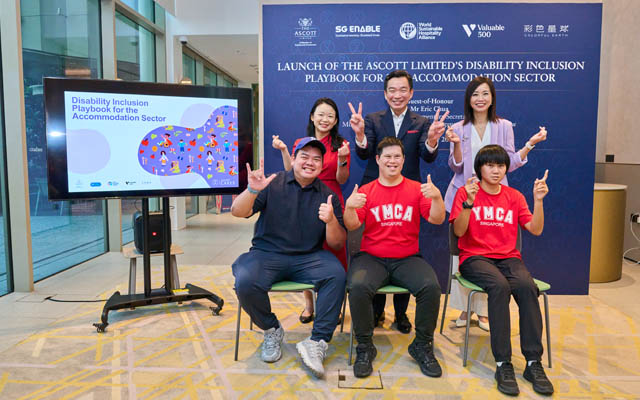
Ascott’s Disability Inclusion Playbook is a practical framework to help accommodation providers improve accessibility, inclusive hiring and guest support
Article Summary:
Ascott, a lodging business unit of CapitaLand Investment, has launched the Disability Inclusion Playbook for the Accommodation Sector. This is one of the world’s first open-access, holistic guides for inclusive hospitality, developed in collaboration with disability inclusion specialists Colorful Earth, supported by SG Enable, World Sustainable Hospitality Alliance, and Valuable 500. The playbook provides guidance across five pillars – Inclusive Training, Spaces, Hiring, Digital Interfaces, and Programmes – to enable accommodation providers to deliver accessible stay experiences from pre-arrival to departure. Starting from 2026, at least one Ascott property in every region will implement these inclusive practices.
Key Points:
Actionable Takeaways:
Contextual Insights:
The launch of Ascott’s Disability Inclusion Playbook reflects a growing trend in the travel industry towards inclusivity and accessibility. As more travelers with disabilities seek accommodations that cater to their specific needs, companies that proactively implement inclusive practices are likely to gain a competitive edge. This aligns with current industry trends emphasizing sustainability, digital transformation, and social responsibility. Furthermore, the collaboration with disability inclusion specialists and support from organizations like SG Enable and Valuable 500 underscores the industry’s commitment to making travel more accessible for all. Looking ahead, the implementation of such inclusive practices is expected to become a standard expectation among travelers, driving further innovation in travel tech and hospitality services.
Read the Complete Article.
Experience the magic of the Nile aboard Kenzy Dahabeya, a luxury boutique sailing cruise that offers an unforgettable journey between...
Read moreDetails



