












Sail Through Time: Discover the Timeless Wonders of Upper Egypt Aboard Kenzy Dahabeya
Experience the magic of the Nile aboard Kenzy Dahabeya, a luxury boutique sailing cruise that offers an unforgettable journey between...
Read moreDetails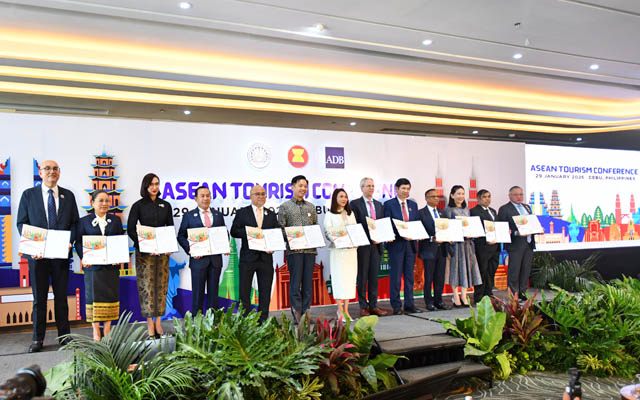
The declaration sets out five priorities to guide South-east Asia’s tourism development over the next five years
Comprehensive Summarization:
The article announces the unveiling of the Declaration on the Implementation of the ASEAN Tourism Sectoral Plan 2026-2030 at the ASEAN Tourism Conference in Cebu, Philippines, on January 29, 2026. This declaration marks a shift from post-lockdown recovery towards long-term transformation of the region’s tourism sector, aligning with the ASEAN Vision 2045. The plan outlines five priorities to guide South-east Asia’s tourism development over the next five years, positioning tourism as a key driver of quality growth, resilience, and meaningful employment. In 2024, tourism contributed nearly US$400 billion to the region’s economy, accounting for almost 10% of South-east Asia’s GDP and supporting about 42.5 million jobs. ASEAN deputy secretary-general Satvinder Singh highlighted these figures in the context of the declaration.
Key Points:
Actionable Takeaways:
Investment in Tourism Infrastructure: With tourism contributing nearly US$400 billion in 2024 and supporting 42.5 million jobs, there is a clear opportunity for increased investment in tourism infrastructure across South-east Asia. This could involve upgrading airports, improving transportation networks, and developing tourist-friendly amenities to enhance visitor experiences and support economic growth.
Focus on Sustainable Tourism Practices: The ASEAN Vision 2045 emphasizes the importance of sustainability in economic, social, and institutional growth. Travel companies and startups should prioritize sustainable tourism practices, such as eco-friendly accommodations, responsible waste management, and community-based tourism initiatives. This not only aligns with global trends towards sustainability but also enhances the long-term appeal of travel destinations.
Leveraging Technology for Enhanced Travel Experiences: The article highlights the importance of tourism as a key driver of growth and resilience. Travel tech startups can leverage advancements in technology, such as AI-driven personalized travel recommendations, blockchain for secure transactions, and virtual reality for immersive travel previews. These innovations can enhance customer satisfaction, streamline operations, and open new revenue streams for travel businesses.
Contextual Insights:
The unveiling of the ASEAN Tourism Sectoral Plan 2026-2030 reflects a strategic shift towards long-term transformation in the region’s tourism sector. This plan is set against the backdrop of the ASEAN Vision 2045, which underscores the importance of tourism as a catalyst for economic growth, resilience, and meaningful employment. The fact that tourism generated nearly US$400 billion in 2024, accounting for nearly 10% of South-east Asia’s GDP, underscores its pivotal role in the region’s economy. The plan’s five priorities provide a roadmap for sustainable and inclusive tourism development, emphasizing the need for strategic investments in infrastructure, sustainable practices, and technological innovations. For travel startups and fintech companies, this presents a unique opportunity to innovate and contribute to the growth of the tourism sector. By focusing on sustainable tourism practices and leveraging cutting-edge technology, these entities can not only meet current market demands but also position themselves as leaders in shaping the future of travel in South-east Asia.
Read the Complete Article.
Experience the magic of the Nile aboard Kenzy Dahabeya, a luxury boutique sailing cruise that offers an unforgettable journey between...
Read moreDetails



