






Sail Through Time: Discover the Timeless Wonders of Upper Egypt Aboard Kenzy Dahabeya
Experience the magic of the Nile aboard Kenzy Dahabeya, a luxury boutique sailing cruise that offers an unforgettable journey between...
Read moreDetails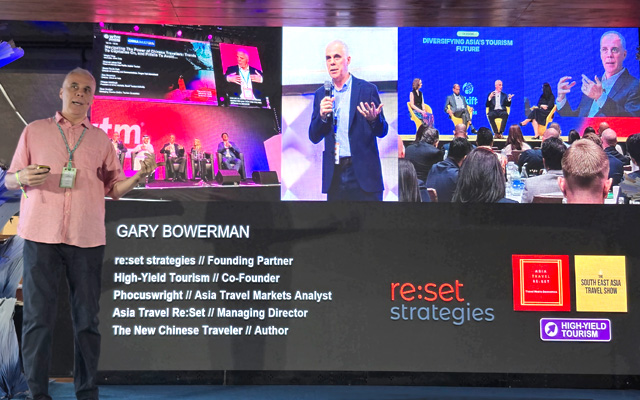
Gary Bowerman speaking at the Further East 2025 Open House on Asia’s evolving lifestyle and travel trends
Article Summary:
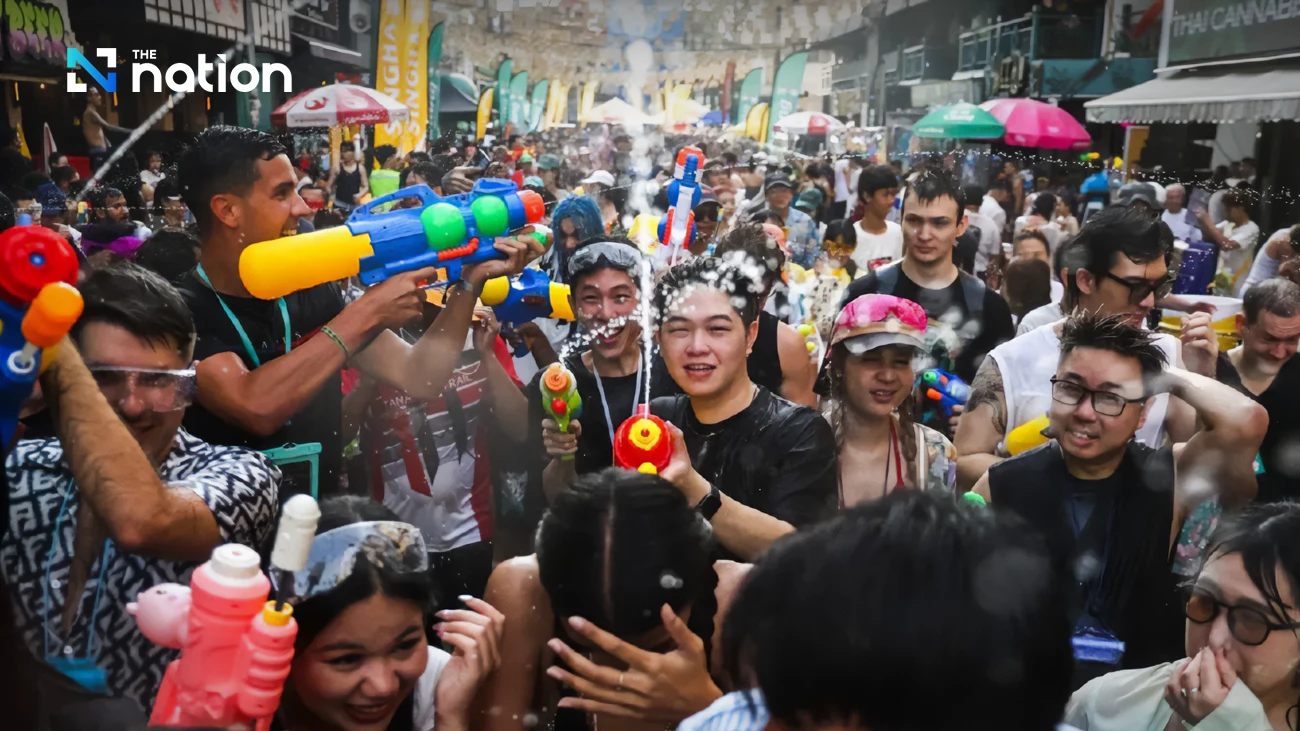
Asia’s lifestyle economy is rapidly evolving, significantly impacting the travel and tourism industry in the Asia-Pacific region. This shift is characterized by a move away from traditional holiday travel towards an integrated lifestyle approach, influenced by technological advancements, increased wealth, demographic changes, and cultural shifts. Gary Bowerman, founder of Re:Set Strategies, highlighted at the Open House of Further East 2025 that the region is no longer just importing trends from the West but is actively shaping its own travel and tourism future. This evolution is evident in the way tourism boards are now leveraging festivals and cultural events to attract tourists, a trend that was virtually non-existent a few years ago.
Key Points:
Actionable Takeaways:
Contextual Insights:
The article reflects the current state of the travel industry in the Asia-Pacific region, where there is a clear shift from traditional holiday travel to a more integrated lifestyle approach. This shift is driven by several factors, including technological advancements that have made travel more accessible and personalized, increasing wealth levels that allow for more diverse travel experiences, demographic changes that include a younger, more culturally diverse population, and cultural shifts that prioritize experiences over mere vacations. The rise of cultural festivals as a means of attracting tourists is a direct response to this evolving landscape, showcasing the region’s rich heritage and providing travelers with authentic, immersive experiences. These insights underscore the importance of adaptability and innovation in the travel sector, particularly for startups and fintech companies looking to capitalize on the growing demand for unique, culturally rich travel experiences.
Read the Complete Article.
Experience the magic of the Nile aboard Kenzy Dahabeya, a luxury boutique sailing cruise that offers an unforgettable journey between...
Read moreDetails



