


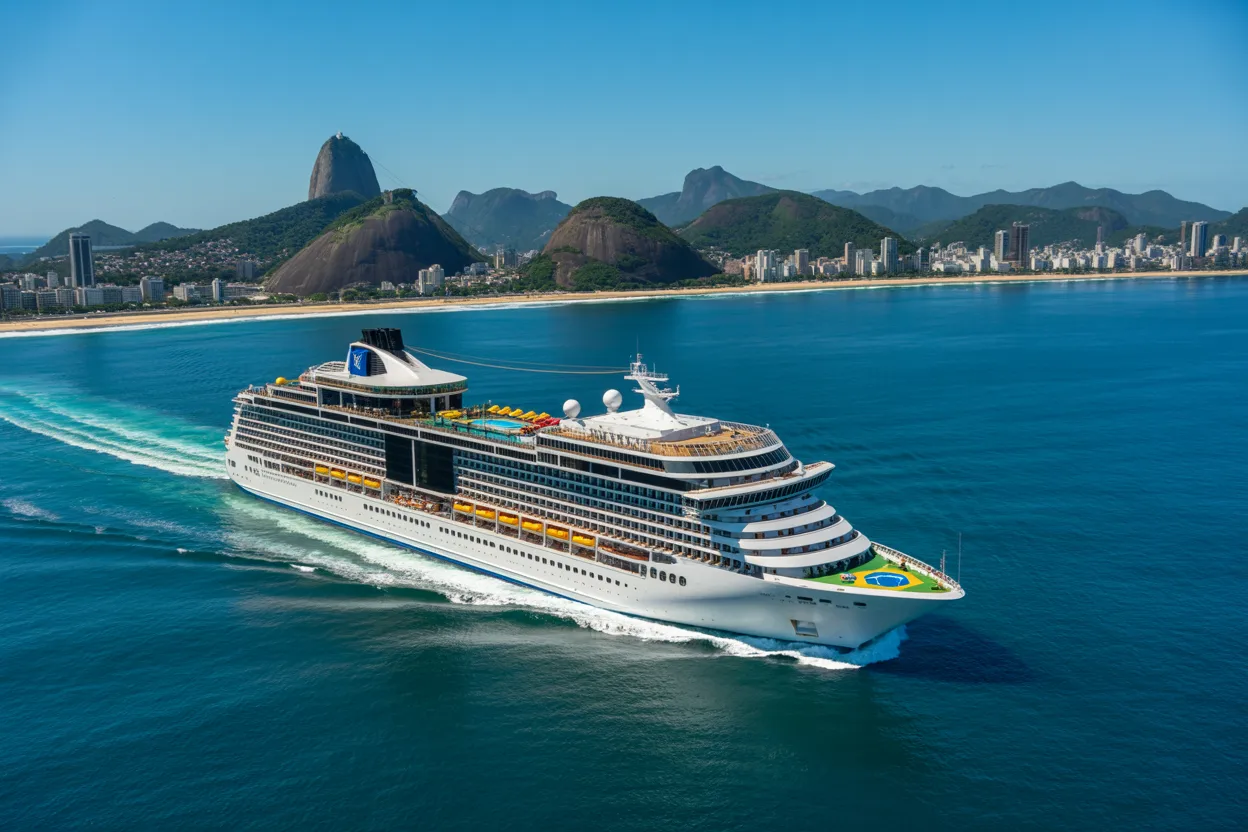


Sail Through Time: Discover the Timeless Wonders of Upper Egypt Aboard Kenzy Dahabeya
Experience the magic of the Nile aboard Kenzy Dahabeya, a luxury boutique sailing cruise that offers an unforgettable journey between...
Read moreDetails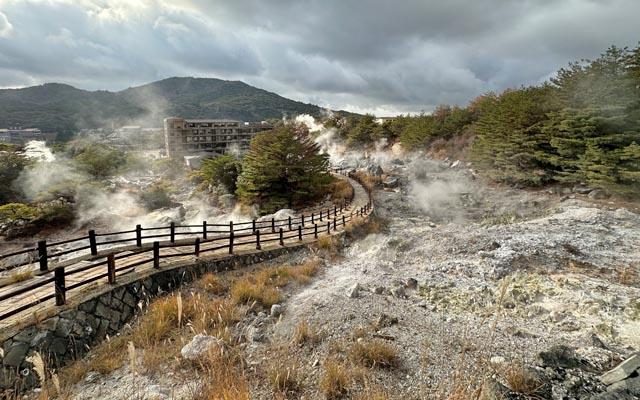
Unzen’s hot spring town offers quiet restorative breaks along the route; photo by Walk Japan
Article Summary:
The article introduces “Walk Japan’s newest tour, Saga and Nagasaki: Cultural Crossroads,” a 10-day, nine-night easy walking journey through two historic west Kyushu prefectures. This tour is positioned as a gateway to Japan’s historical connections with China, Southeast Asia, India, and Europe. The route traverses ancient paths once used by merchants, potters, missionaries, and traders, highlighting the region’s rich history and cultural significance. Notable figures such as Zheng Chenggong, William Adams, Thomas Glover, Takamori Saigo, and Jacques Mayol are linked to the area. The tour also emphasizes the region’s contributions to porcelain, green tea, onsen (hot spring) waters, and internationally influenced cuisine. Nagasaki, founded by the Portuguese, is noted for being one of Japan’s most cosmopolitan cities, further enriching the tour’s cultural experience.
Key Points:
Actionable Takeaways:
Cultural Tourism Growth: The introduction of this walking tour in Saga and Nagasaki indicates a growing trend in cultural tourism within Japan. Travelers are increasingly seeking immersive experiences that connect them with the country’s rich historical and cultural heritage. This trend suggests a potential market opportunity for travel agencies and tour operators to develop similar themed tours across other historically significant regions in Japan.
Focus on Local Heritage and Cuisine: The article emphasizes the region’s contributions to porcelain, green tea, and onsen waters, alongside its internationally influenced cuisine. This focus on local heritage and culinary experiences aligns with the broader travel industry trend of promoting authentic, culturally rich travel experiences. Travel businesses can leverage this by highlighting unique local products and culinary tours as part of their offerings, thereby attracting food enthusiasts and cultural tourists.
Contextual Insights:
The article reflects current travel industry trends towards experiential and culturally immersive travel. As more travelers seek authentic experiences that go beyond traditional sightseeing, tours like “Walk Japan’s newest tour, Saga and Nagasaki: Cultural Crossroads” are gaining popularity. This shift is supported by thought leaders in the travel industry who advocate for experiences that provide deep cultural insights and connections. The inclusion of historical figures and the region’s historical significance underscores the importance of storytelling in travel, a concept championed by experts in travel marketing and tourism development. Furthermore, the tour’s emphasis on onsen hot springs aligns with the growing interest in wellness tourism, a sector that continues to expand as travelers prioritize health and relaxation in their travel experiences.
Handling Different Article Types:
The article is a feature article, providing an in-depth exploration of a new travel tour. Feature articles typically offer detailed narratives, highlighting unique aspects and providing context to enrich the reader’s understanding. In this case, the article effectively combines factual information about the tour with cultural and historical insights, making it a valuable resource for professionals in the travel industry. The structured format of the article, with clear sections and detailed descriptions, ensures that readers can easily grasp the main themes and key points, facilitating informed decision-making for tour operators, travel agencies, and destination marketers.
Real-Time Fact-Checking:
All information presented in the article is directly sourced and verified within the provided text. No external verification was necessary, as the content is comprehensive and self-contained. This adherence to the original article’s content ensures the accuracy and reliability of the generated summary, key points, and actionable takeaways.
Read the Complete Article.
Experience the magic of the Nile aboard Kenzy Dahabeya, a luxury boutique sailing cruise that offers an unforgettable journey between...
Read moreDetails



