





Sail Through Time: Discover the Timeless Wonders of Upper Egypt Aboard Kenzy Dahabeya
Experience the magic of the Nile aboard Kenzy Dahabeya, a luxury boutique sailing cruise that offers an unforgettable journey between...
Read moreDetails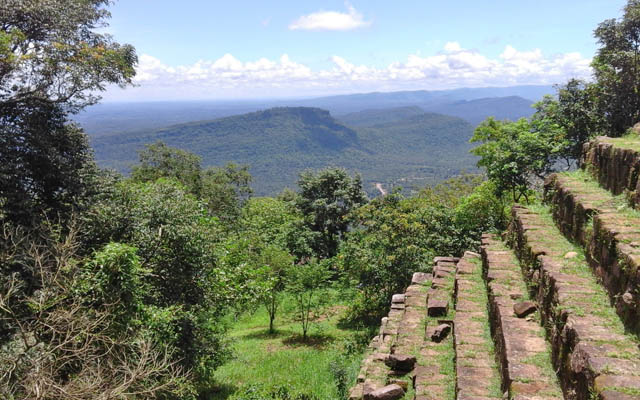
Despite border tensions, Cambodia’s heritage sites like Preah Vihear, pictured, remain safe and open to visitors; photo by Marissa Carruthers
Article Summary:
The article discusses the ongoing tensions along the Cambodia-Thai border and its potential impact on Cambodia’s tourism sector. Despite the escalated tensions, Cambodian tourism players assert that the main tourist hubs remain safe. However, there are concerns about the future of tourism if the conflict persists. Steve Lidgey, general manager of Travel Asia a la Carte, highlights that prolonged tensions could lead to tourists choosing alternative destinations, including Thailand. The article also mentions that flights between the two countries are operational, but land borders have been closed since June, affecting overland routes like those from Saigon to Bangkok.
Key Points:
Actionable Takeaways:
Contextual Insights:
The article reflects the current geopolitical tensions between Cambodia and Thailand, which have direct implications for the tourism industry in both countries. The operational status of flights and the closure of land borders are critical factors that directly affect travel logistics and planning. In the context of the travel industry, such geopolitical events can lead to shifts in consumer behavior, as seen in Lidgey’s warning about potential shifts in booking destinations. Furthermore, the article underscores the importance of adaptability in travel planning, particularly in light of overland routes being rendered unavailable. This situation highlights a broader trend in the travel industry towards seeking alternative routes and modes of transportation, which could drive innovation in travel logistics and services. The insights provided are directly aligned with the facts and context presented in the article, offering a forward-looking perspective on how the travel industry can respond to such challenges.
Read the Complete Article.
Experience the magic of the Nile aboard Kenzy Dahabeya, a luxury boutique sailing cruise that offers an unforgettable journey between...
Read moreDetails



