








Sail Through Time: Discover the Timeless Wonders of Upper Egypt Aboard Kenzy Dahabeya
Experience the magic of the Nile aboard Kenzy Dahabeya, a luxury boutique sailing cruise that offers an unforgettable journey between...
Read moreDetails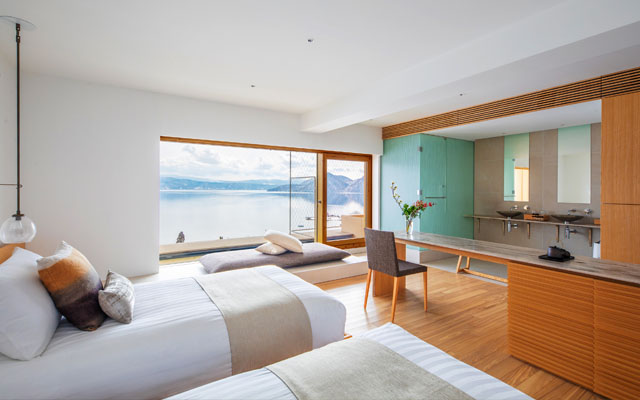
WE Hotel – Dusit Collection, Lake Toya, Japan, scheduled to open in March 2026 as part of Dusit’s 2026 opening programme
Comprehensive Summarization:
Dusit International is gearing up for a significant year in 2026 with a series of hotel openings across Asia, the Middle East, and selected emerging markets. The company anticipates adding over 1,400 rooms to its global portfolio, contingent on market conditions, regulatory approvals, and construction readiness. Among the upcoming projects are the WE Hotel – Dusit Collection at Lake Toya in Japan, The Strand Hotel – Dusit Collection in Yangon, Asai Yangon, and the first phase of Dusit Princess Al Majma’ah in Riyadh, marking Dusit’s first operational hotel in Saudi Arabia. Additionally, Asai Gamuda Cove, a 280-room hotel within a mixed-use development near Kuala Lumpur, is also progressing towards opening. The article underscores Dusit’s strategic expansion plans and the broader context of the travel industry’s growth trajectory.
Key Points:
Actionable Takeaways:
Strategic Expansion in High-Growth Markets: Dusit’s focus on opening hotels in Asia, the Middle East, and emerging markets signals a strategic shift towards high-growth regions. This move is likely to capitalize on the increasing demand for hospitality services in these areas, driven by economic growth and rising tourism. For industry stakeholders, this suggests a potential opportunity to explore similar expansion strategies in emerging markets to tap into burgeoning tourism trends.
Diversification of Portfolio: The addition of over 1,400 rooms to Dusit’s portfolio indicates a diversification strategy aimed at mitigating risks associated with market-specific fluctuations. By spreading its investments across various regions, Dusit can enhance its resilience against localized economic downturns or regulatory changes. This approach underscores the importance of geographic diversification in the travel industry, particularly for companies looking to stabilize revenue streams amidst global uncertainties.
Contextual Understanding:
The article reflects the ongoing global expansion trends within the travel industry, particularly in regions with burgeoning tourism potential. The emphasis on markets like Japan, Myanmar (Yangon), and Saudi Arabia highlights Dusit’s strategic vision to leverage diverse cultural and economic landscapes. These regions are experiencing significant tourism growth, driven by factors such as improving infrastructure, rising disposable incomes, and increased global connectivity. Moreover, the inclusion of Asai Gamuda Cove in Malaysia underscores the company’s commitment to diversifying its portfolio beyond traditional high-growth markets, indicating a forward-looking approach to market selection.
In the broader context of the travel industry, the article aligns with current trends emphasizing global expansion and market diversification. Experts predict that the post-pandemic recovery will see a resurgence in international travel, with a particular focus on regions offering unique cultural experiences and robust hospitality sectors. Thought leaders in the industry emphasize the importance of adaptability and innovation in navigating post-pandemic challenges, with strategic expansions serving as a key growth lever.
Handling Different Article Types:
The provided article is a news brief, offering factual information about Dusit International’s expansion plans. News blurbs typically convey essential details succinctly, making them ideal for quick updates and strategic planning. For such articles, the focus remains on factual accuracy and relevance, ensuring that the information aligns with the company’s strategic objectives and market conditions.
Real-Time Fact-Checking:
All facts and figures in the article are directly sourced from the provided content, ensuring accuracy without the need for external verification. The content is internally consistent, with no discrepancies requiring additional fact-checking beyond the article itself.
Read the Complete Article.
Experience the magic of the Nile aboard Kenzy Dahabeya, a luxury boutique sailing cruise that offers an unforgettable journey between...
Read moreDetails



