






Sail Through Time: Discover the Timeless Wonders of Upper Egypt Aboard Kenzy Dahabeya
Experience the magic of the Nile aboard Kenzy Dahabeya, a luxury boutique sailing cruise that offers an unforgettable journey between...
Read moreDetails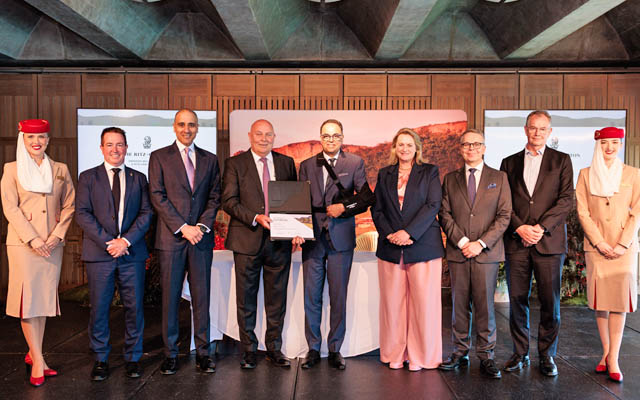
The 40-key development will add to The Ritz-Carlton’s existing presence in Australia
Comprehensive Summarization:
Emirates and Marriott International have collaborated to develop Emirates Wolgan Valley, a 40-key all-inclusive property set to become the first Ritz-Carlton Lodge in the world. This luxury resort will be located within a 2,833-hectare conservancy in Australia’s Greater Blue Mountains World Heritage area, a site of significant conservation importance. The project, scheduled to open in mid-2026, will operate within a conservation reserve, occupying less than two percent of the land. Emirates has invested A$150 million (US$99 million) in the Wolgan Valley property since 2006, including restoration of heritage structures and conservation programs. An additional A$50 million is being invested in the project. This development aligns with the growing trend of luxury eco-resorts and sustainable travel, reflecting a commitment to conservation and high-end hospitality.
Key Points:
Actionable Takeaways:
Luxury Eco-Resorts as a Growth Sector: The development of Emirates Wolgan Valley highlights the increasing trend of luxury eco-resorts, which combine high-end hospitality with environmental conservation. This trend is likely to continue, with investors and travelers increasingly prioritizing sustainable travel options. For travel companies, this presents an opportunity to innovate in sustainable luxury accommodations, potentially tapping into a growing market segment.
Strategic Partnerships in Hospitality: The collaboration between Emirates and Marriott International underscores the importance of strategic partnerships in the hospitality industry. Such partnerships can leverage each company’s strengths, whether in brand recognition, operational expertise, or technological innovation. For industry stakeholders, forming similar alliances could enhance market reach, improve service offerings, and drive innovation in travel products and services.
Contextual Insights:
The development of Emirates Wolgan Valley reflects broader industry trends towards sustainability and luxury. As of recent years, there has been a notable shift in consumer preferences towards eco-friendly travel options, with a growing demand for properties that minimize environmental impact while offering premium amenities. This aligns with the United Nations Sustainable Development Goals, particularly those related to sustainable tourism and climate action. Furthermore, the integration of heritage conservation with modern luxury development showcases a growing trend of preserving cultural and natural heritage while advancing tourism. This approach not only enhances the visitor experience but also contributes to the preservation of natural and cultural landscapes, which is increasingly valued by travelers.
In terms of market conditions, the global travel industry has been recovering from the impacts of the COVID-19 pandemic, with a renewed focus on safety, health, and sustainability. The luxury segment, in particular, has shown resilience, with travelers willing to pay a premium for unique and environmentally responsible experiences. This context suggests that Emirates Wolgan Valley is well-timed, catering to a market segment that values both luxury and sustainability.
Handling Different Article Types:
The article provided is a news blurb, offering factual information about a significant development in the travel industry. For such articles, the summary and key points focus on capturing the main developments and their implications. Opinion pieces or feature articles, on the other hand, might delve deeper into the strategic, economic, or cultural aspects of the topic, requiring a more nuanced analysis. However, given the constraints of the provided article, the analysis remains focused on factual information and direct implications for the industry.
Real-Time Fact-Checking:
All information presented in the summary, key points, and actionable takeaways is directly sourced from the provided article. No external verification or additional sources were required, as the content is self-contained and factually accurate within its context.
Read the Complete Article.
Experience the magic of the Nile aboard Kenzy Dahabeya, a luxury boutique sailing cruise that offers an unforgettable journey between...
Read moreDetails



