













Sail Through Time: Discover the Timeless Wonders of Upper Egypt Aboard Kenzy Dahabeya
Experience the magic of the Nile aboard Kenzy Dahabeya, a luxury boutique sailing cruise that offers an unforgettable journey between...
Read moreDetails
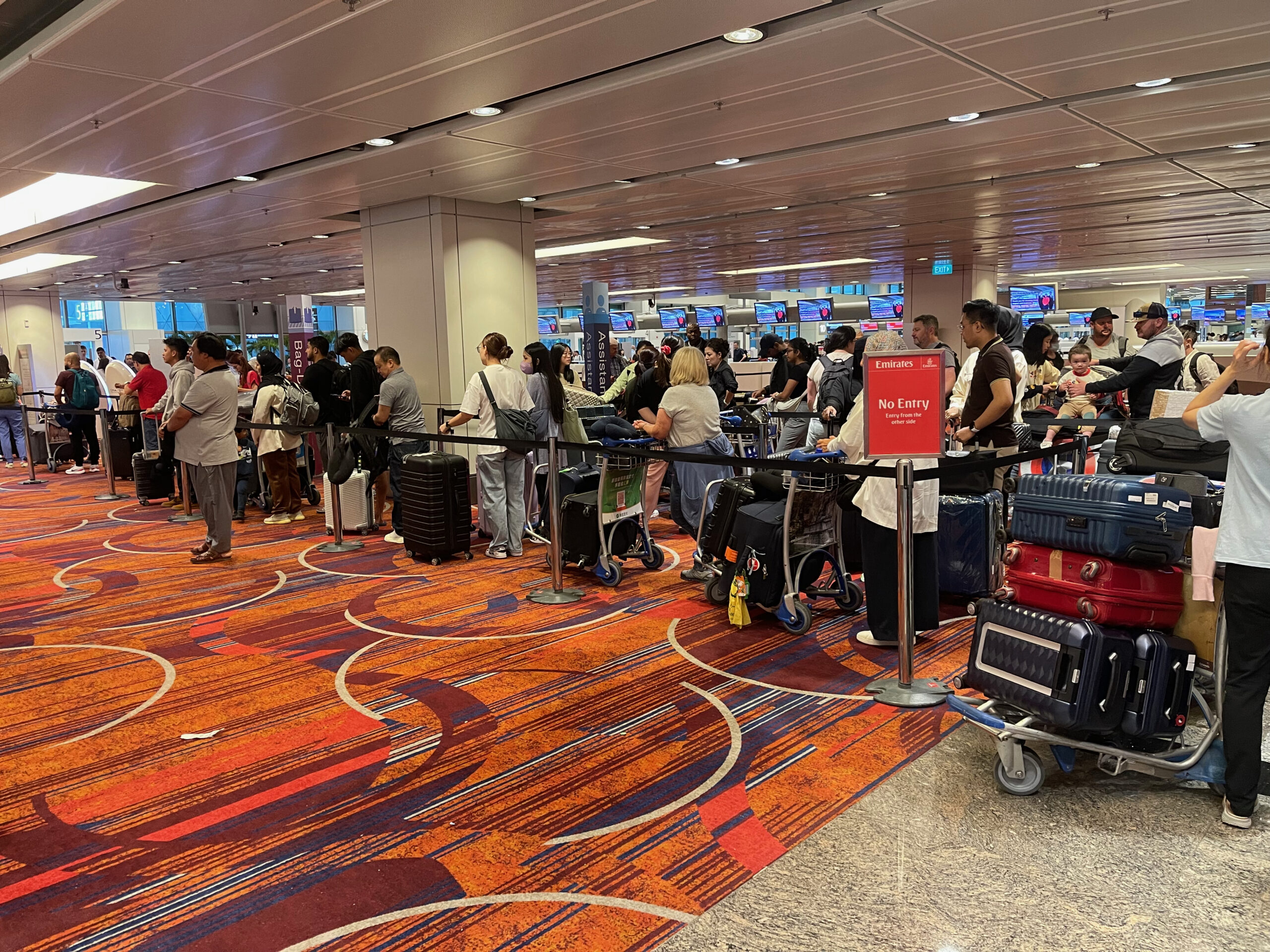
(PHOTO: Matt Driskill)
Article Summary:
The article discusses the rebounding confidence among global business travel professionals in 2025, with 43% expressing optimism, up 15 percentage points from prior months. Despite this positive shift, concerns persist regarding anticipated decreases in business trip volume, spending, and revenue for 2025. The article highlights the evolving preferences and patterns of business travelers, the impact of new technologies like artificial intelligence (AI) on travel management, and the challenges faced, including accessibility gaps and government actions. It underscores the importance of adapting to these changes to navigate the evolving business travel landscape effectively.
Key Points:
Actionable Takeaways:
Contextual Insights:
The article reflects the current state of the travel industry, characterized by a rebound in confidence among business travel professionals despite ongoing concerns about volume, spending, and revenue. The integration of AI and other technologies signifies a shift towards more efficient and adaptive travel management strategies. This context is crucial for understanding the broader implications for travel startups and fintech innovations, which are increasingly focused on addressing challenges such as accessibility and regulatory compliance. As the industry continues to evolve, staying informed about these trends and leveraging them strategically will be key to navigating the future of business travel successfully.
Read the Complete Article.
Experience the magic of the Nile aboard Kenzy Dahabeya, a luxury boutique sailing cruise that offers an unforgettable journey between...
Read moreDetails



