











Sail Through Time: Discover the Timeless Wonders of Upper Egypt Aboard Kenzy Dahabeya
Experience the magic of the Nile aboard Kenzy Dahabeya, a luxury boutique sailing cruise that offers an unforgettable journey between...
Read moreDetails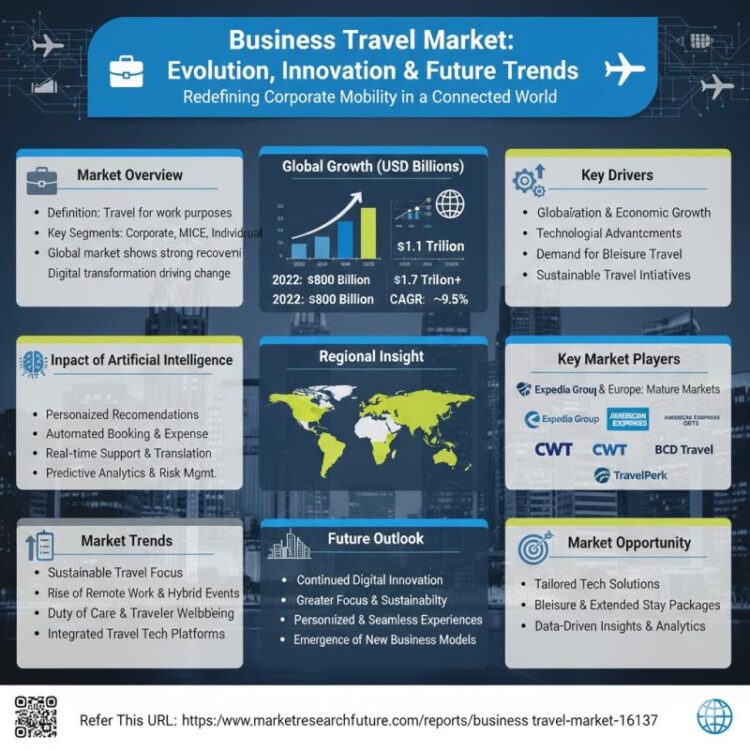
Innovation Driving a New Era
Comprehensive Summarization:
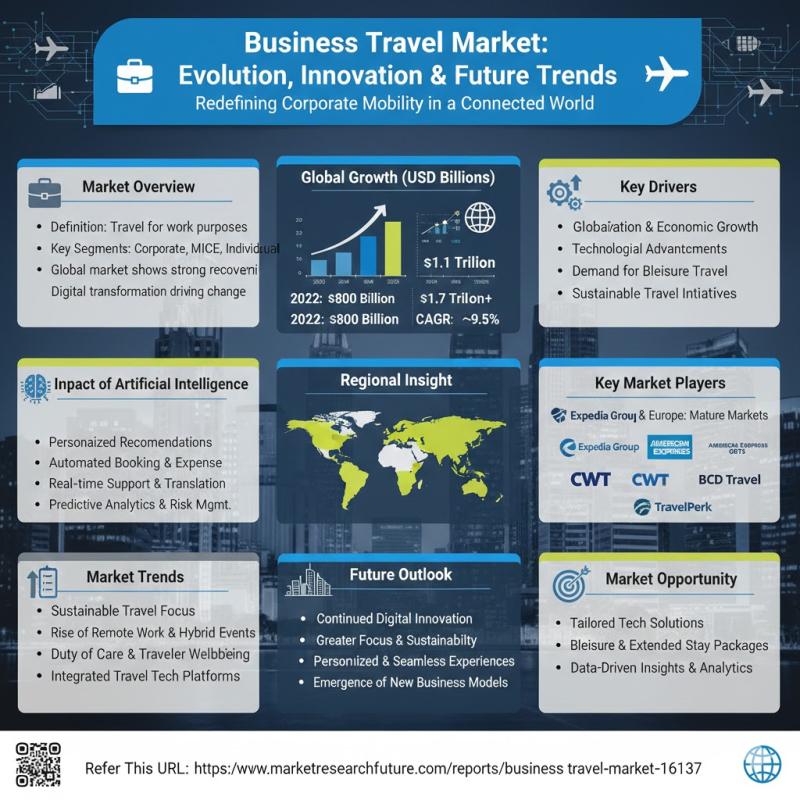
The article discusses the evolving landscape of the business travel industry, highlighting its transformation due to new work models, digitalization, and changing traveler expectations. Initially, virtual meetings reduced travel volumes, but in-person engagements have regained importance for relationship building, deal closures, and strategic collaboration. The recovery of business travel demand is now characterized by a renewed focus on efficiency, experience, and return on investment. Companies are striving to balance cost control with the need for flexibility, employee well-being, and sustainability. The industry is projected to grow significantly from USD 3.126 billion in 2025 to USD 10.15 billion, reflecting these shifts in travel dynamics and priorities.
Key Points:
Actionable Takeaways:
Embrace Flexible Travel Policies: Companies should adopt flexible travel policies that balance cost control with employee well-being and sustainability. This approach aligns with the industry’s shift towards efficiency and experience, ensuring that travel remains a strategic asset rather than a cost center.
Invest in Travel Tech Solutions: The article underscores the importance of digitalization in the travel industry. Companies should invest in travel tech solutions that streamline processes, enhance the traveler experience, and provide data-driven insights. This investment is crucial for staying competitive in a rapidly evolving market.
Prioritize Sustainability: With sustainability becoming a key focus, companies should prioritize eco-friendly travel options. This not only aligns with global sustainability trends but also enhances corporate responsibility and brand image, which are increasingly important to modern travelers.
Contextual Insights:
The article reflects the current state of the travel industry, which is navigating a post-pandemic landscape characterized by a mix of virtual and in-person engagements. The recovery of business travel demand is driven by the need for relationship building and strategic collaboration, which cannot be fully replicated in virtual settings. Technological advancements in travel tech are playing a pivotal role in this transformation, enabling companies to offer more efficient, flexible, and sustainable travel options. Thought leaders emphasize the importance of balancing cost control with the need for employee well-being and sustainability, highlighting a shift towards more holistic and responsible travel strategies. This context suggests that the industry is moving towards a more integrated approach, where technology, sustainability, and employee-centric policies converge to redefine the future of business travel.
Read the Complete Article.
Experience the magic of the Nile aboard Kenzy Dahabeya, a luxury boutique sailing cruise that offers an unforgettable journey between...
Read moreDetails



