








Sail Through Time: Discover the Timeless Wonders of Upper Egypt Aboard Kenzy Dahabeya
Experience the magic of the Nile aboard Kenzy Dahabeya, a luxury boutique sailing cruise that offers an unforgettable journey between...
Read moreDetails
US Joins Germany, China, and India as Key Players in Global Business Travel Market Growth in 2025: F...
Article Summary:
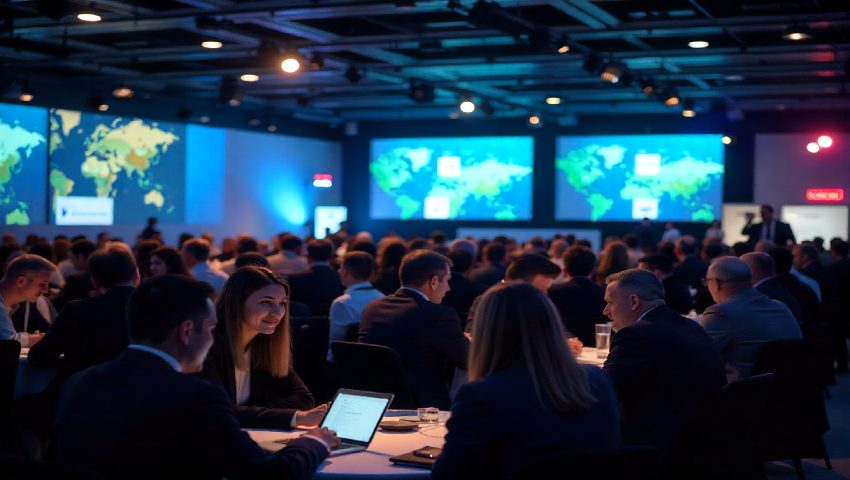
The global business travel market, valued at $689.70 billion in 2021, is projected to reach $2.1 trillion by 2031, growing at a compound annual growth rate (CAGR) of 9.5%. Key players in this market include the United States, Germany, China, and India. The US, with its robust corporate sector, remains a leader in business travel spending, driven by the increasing demand for face-to-face interactions, networking, and collaboration. China and India are emerging as vital contributors due to their expanding economies and rising international business activity. Germany, positioned at the heart of global trade and corporate connections, also plays a crucial role in the market’s growth. These trends reflect a broader shift towards more frequent and significant business travel, influenced by both economic expansion and the necessity for in-person engagements.
Key Points:
Actionable Takeaways:
Investment in Business Travel Infrastructure: Companies should consider investing in business travel infrastructure, particularly in emerging markets like China and India, to capitalize on the growing demand for face-to-face interactions and networking opportunities. This strategic move could enhance corporate networking capabilities and drive economic growth in these regions.
Focus on Sustainable Business Travel: With the global business travel market projected to grow significantly, there is an opportunity for companies to adopt sustainable travel practices. This includes promoting virtual meetings and reducing unnecessary travel, which can lead to cost savings and a positive environmental impact. Embracing sustainable business travel aligns with broader industry trends towards eco-friendly practices and can enhance corporate reputations.
Leverage Technology for Enhanced Travel Experiences: The growth in business travel underscores the importance of leveraging technology to enhance travel experiences. Companies can invest in travel management platforms that streamline booking processes, offer real-time updates, and provide personalized travel recommendations. Such innovations can improve efficiency, reduce operational costs, and enhance the overall travel experience for business travelers.
Contextual Insights:
The article reflects the current state of the global business travel market, characterized by substantial growth and the emergence of key players such as the US, Germany, China, and India. The increasing demand for face-to-face interactions, networking, and collaboration in the corporate sector is a driving force behind this growth. The US remains a leader in business travel spending, benefiting from its strong corporate sector and the necessity for in-person engagements. Meanwhile, China and India are rapidly becoming significant contributors to the market, driven by their expanding economies and rising international business activity. Germany’s role in global trade and corporate connections further highlights the interconnectedness of major economies in driving business travel demand.
Looking ahead, the trends highlighted in the article suggest a continued emphasis on technology-driven solutions to enhance travel experiences and operational efficiencies. As the market expands, there is a growing opportunity for companies to invest in sustainable travel practices and innovative travel management technologies. These developments not only promise to boost economic growth but also align with broader industry trends towards sustainability and digital transformation. By staying attuned to these trends and leveraging actionable insights, businesses can position themselves to thrive in the evolving landscape of global business travel.
Read the Complete Article.
Experience the magic of the Nile aboard Kenzy Dahabeya, a luxury boutique sailing cruise that offers an unforgettable journey between...
Read moreDetails



