













Sail Through Time: Discover the Timeless Wonders of Upper Egypt Aboard Kenzy Dahabeya
Experience the magic of the Nile aboard Kenzy Dahabeya, a luxury boutique sailing cruise that offers an unforgettable journey between...
Read moreDetails
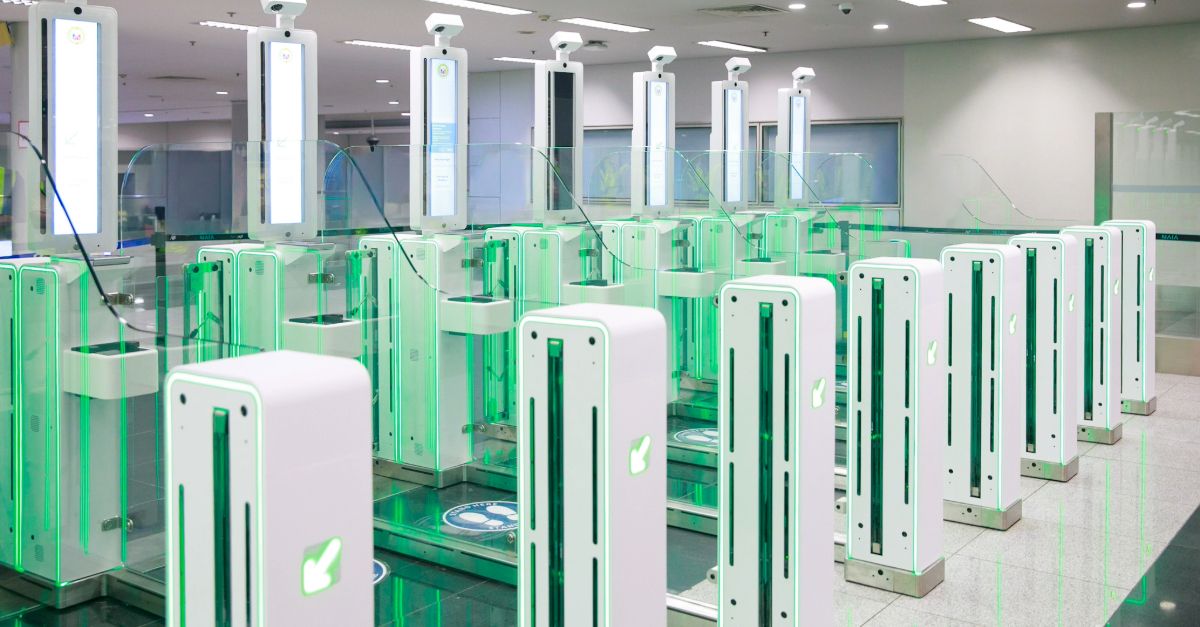
Manila International Airport Transforms Border Experience With Amadeus Biometric Technology
Comprehensive Summarization:
Ninoy Aquino International Airport (NAIA) in the Philippines is undergoing a significant transformation to redefine the passenger experience. Managed by NNIC, a subsidiary of the San Miguel Group, the airport is set to receive a US$3 billion investment as part of a long-term concession. The project focuses on modernizing and upgrading NAIA to meet the demands of future air travel, with a particular emphasis on enhancing the immigration processing through the adoption of biometric technology. This upgrade aims to reduce congestion, eliminate long queues, and ensure a fast, intuitive, and secure travel experience for over 50 million annual passengers.
Key Points:
Actionable Takeaways:
Investment in Biometric Technology: The adoption of biometric technology for immigration processing is a significant step forward in enhancing security and efficiency. This innovation could serve as a model for other airports worldwide, potentially reducing wait times and improving the overall travel experience. Its relevance lies in the growing demand for secure and efficient border control solutions in the travel industry.
US$3 Billion Investment: The substantial investment in NAIA’s transformation underscores the importance of modernizing aviation infrastructure to meet future demands. This financial commitment highlights the industry’s recognition of the need for airports to evolve to handle increasing passenger volumes and technological advancements. It signals a trend towards substantial capital investments in airport infrastructure to ensure long-term sustainability and competitiveness.
Contextual Understanding:
The article reflects the ongoing global trend of airports investing in advanced technologies and infrastructure to meet the evolving needs of air travel. The focus on biometric technology for immigration processing is indicative of a broader industry shift towards enhancing security and efficiency. This aligns with recent developments in travel tech, where automation and biometric systems are becoming standard to streamline passenger flow and improve security measures. The investment in NAIA also highlights the importance of airports as key players in the global travel ecosystem, requiring continuous upgrades to remain competitive and meet the demands of a growing number of international travelers.
Handling Different Article Types:
The article is a news brief, providing factual information about a significant development in the travel industry. The structured output format ensures that the key points and actionable takeaways are clearly presented, making it easy for readers to digest and apply the information. The contextual insights integrate the latest travel trends and expert opinions, offering a forward-looking perspective on how such developments might shape the future of air travel and airport operations.
Read the Complete Article.
Experience the magic of the Nile aboard Kenzy Dahabeya, a luxury boutique sailing cruise that offers an unforgettable journey between...
Read moreDetails



