










Sail Through Time: Discover the Timeless Wonders of Upper Egypt Aboard Kenzy Dahabeya
Experience the magic of the Nile aboard Kenzy Dahabeya, a luxury boutique sailing cruise that offers an unforgettable journey between...
Read moreDetails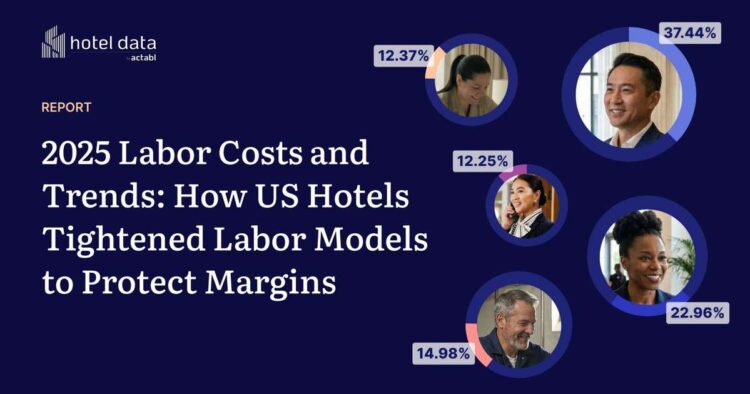
Article Summary:
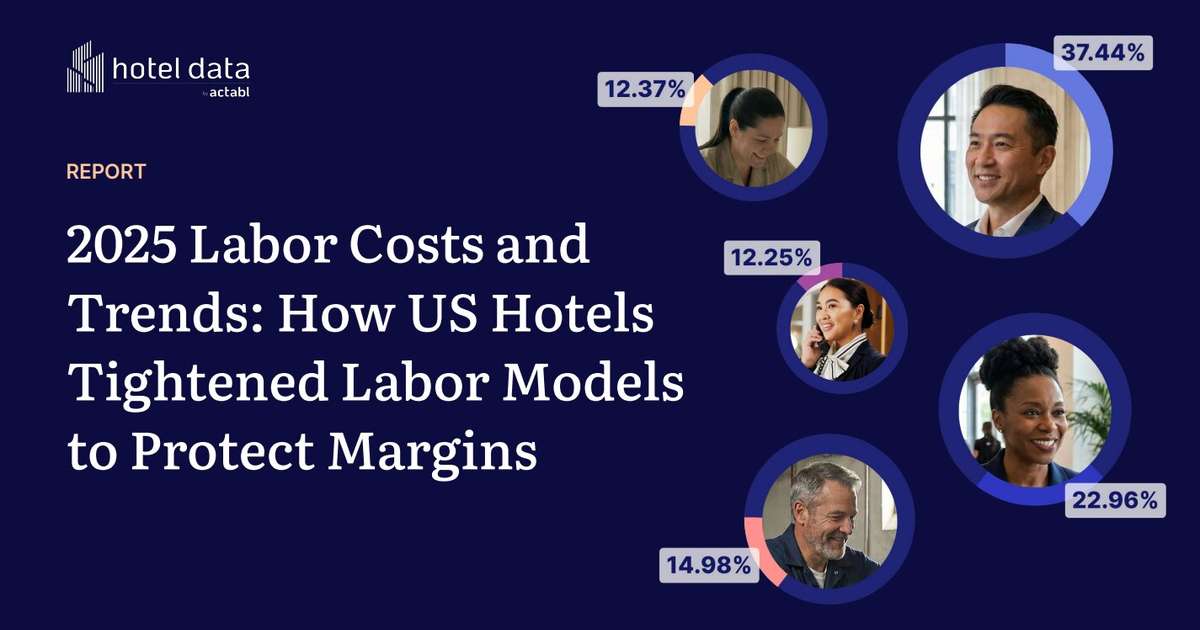
The 2025 Hotel Labor Costs & Trends report, released on HotelData.com, reveals that U.S. hotels have adjusted their labor models in response to rising wages and higher operating costs. Despite a 5.9% increase in wages, labor cost per occupied room has risen between 2% and 11.2%, and headcount has grown between 4% and 9%. To protect margins, operators are cutting hours per occupied room. This article also touches on the latest travel trends and insights from thought leaders, highlighting the impact of these labor cost adjustments on the travel industry.
Key Points:
Actionable Takeaways:
Contextual Insights:
The 2025 Hotel Labor Costs & Trends report underscores the ongoing challenges faced by the U.S. hotel industry in managing labor costs amid rising wages. This context is crucial as it highlights the industry’s response to economic pressures, emphasizing the need for strategic labor management. The trend of cutting hours per occupied room indicates a shift towards operational flexibility, which could influence future labor practices across the sector. Furthermore, the report’s alignment with current travel trends, such as the increasing emphasis on digital transformation and operational efficiency, suggests that hotels must leverage technology to stay competitive. Thought leaders’ insights on these trends suggest that embracing innovative solutions will be key to navigating the evolving landscape of the travel industry, particularly in sectors like travel tech and fintech, where operational efficiency and cost management are paramount.
Read the Complete Article.
Experience the magic of the Nile aboard Kenzy Dahabeya, a luxury boutique sailing cruise that offers an unforgettable journey between...
Read moreDetails



