









Sail Through Time: Discover the Timeless Wonders of Upper Egypt Aboard Kenzy Dahabeya
Experience the magic of the Nile aboard Kenzy Dahabeya, a luxury boutique sailing cruise that offers an unforgettable journey between...
Read moreDetails
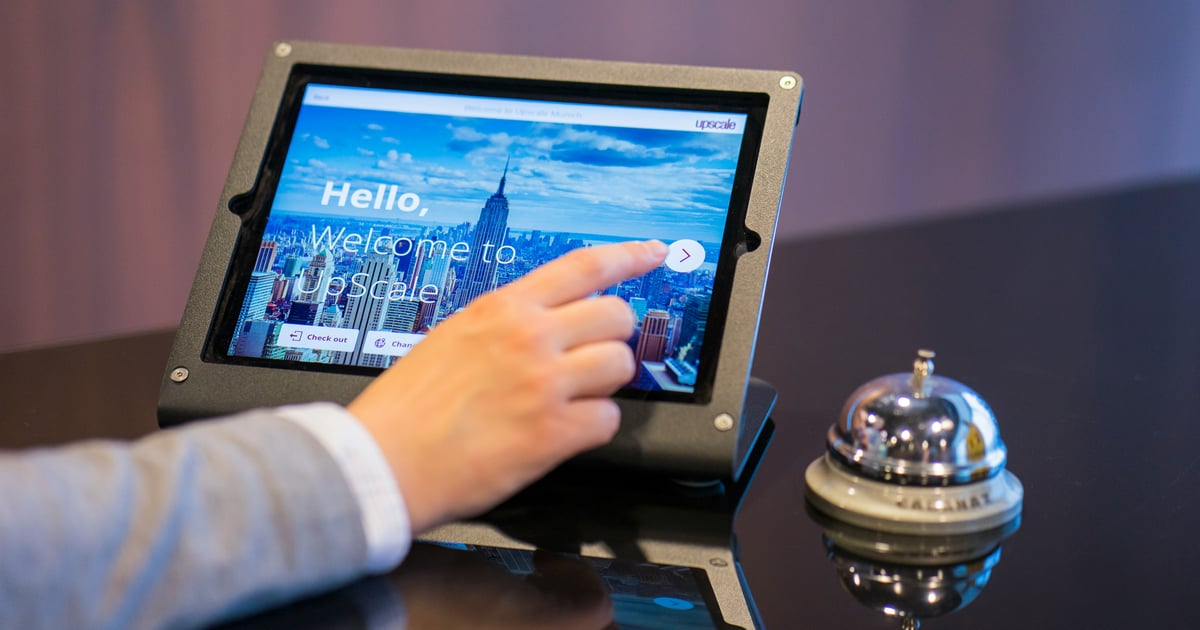
Why Automation Is the Ally of Hotel Staff, and Not Their Replacement
Article Summary:
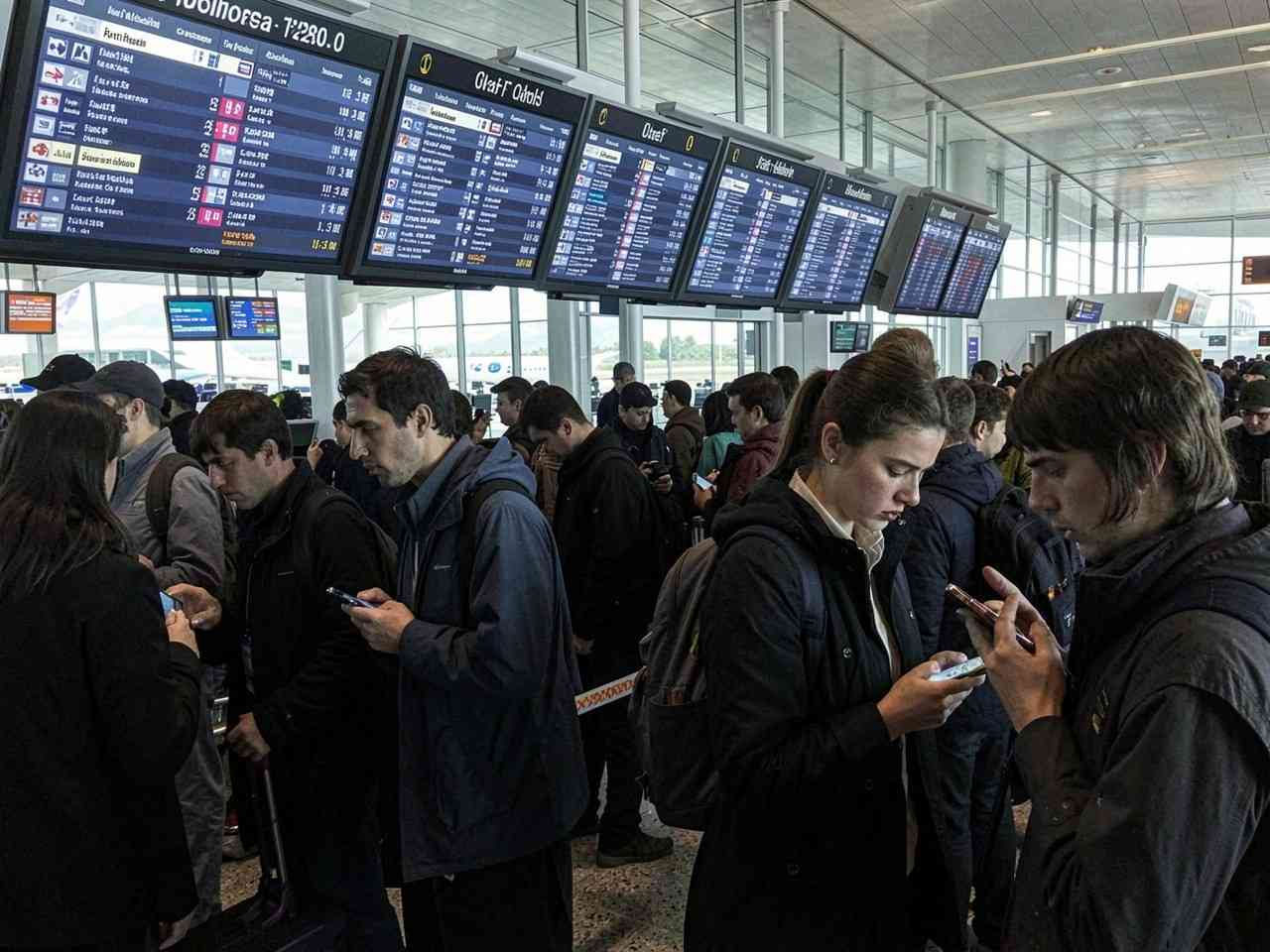
The article discusses the challenges faced by the travel and hospitality industry, particularly in the US, due to labor shortages, cost inflation, and global instability. These issues have been exacerbated by political tensions, evolving immigration policies, a slowdown in international tourism, and a recent government shutdown that reduced flight capacity at major airports. In this volatile environment, the article highlights the potential of automation to provide consistent 24/7 operational continuity, independent of labor market uncertainties, and predictable costs. Automation is seen as a key solution to navigate the current challenges in the travel industry.
Key Points:
Actionable Takeaways:
Adopt Automation Solutions: Hotels and travel businesses should consider implementing automation technologies to ensure operational continuity and predictability in costs, despite labor market uncertainties. This can help maintain service levels and manage costs effectively.
Invest in Labor Efficiency: Given the persistent labor shortages, businesses should explore strategies to maximize the efficiency of their existing workforce. This could include training programs, process optimization, and leveraging technology to reduce manual tasks.
Contextual Insights:
The article reflects the current state of the travel industry, which is grappling with multiple challenges including labor shortages, cost inflation, and global instability. The recent government shutdown has further compounded these issues by reducing flight capacity at major airports, leading to uncertainty in travel operations. Automation emerges as a critical solution to address these challenges by providing consistent operational continuity and predictable costs. This aligns with the broader trend of digital transformation in the travel industry, where technology is increasingly being leveraged to enhance efficiency and resilience. The insights from this article underscore the importance of embracing automation and optimizing labor efficiency to navigate the current turbulent environment and position businesses for future growth.
Read the Complete Article.
Experience the magic of the Nile aboard Kenzy Dahabeya, a luxury boutique sailing cruise that offers an unforgettable journey between...
Read moreDetails



