









Sail Through Time: Discover the Timeless Wonders of Upper Egypt Aboard Kenzy Dahabeya
Experience the magic of the Nile aboard Kenzy Dahabeya, a luxury boutique sailing cruise that offers an unforgettable journey between...
Read moreDetails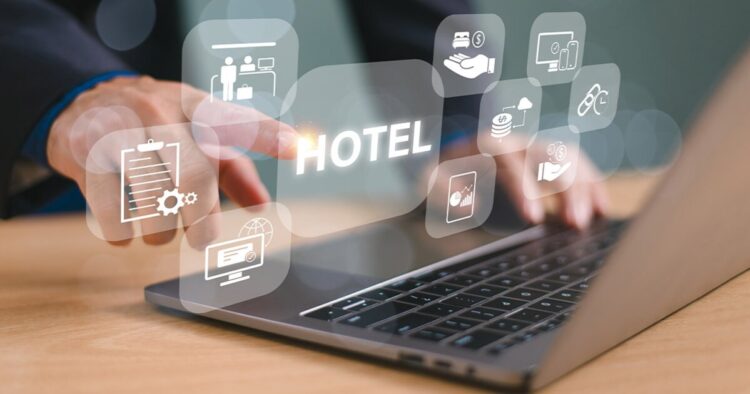
Shiji extends Move across the entire hotel...
Comprehensive Summarization:
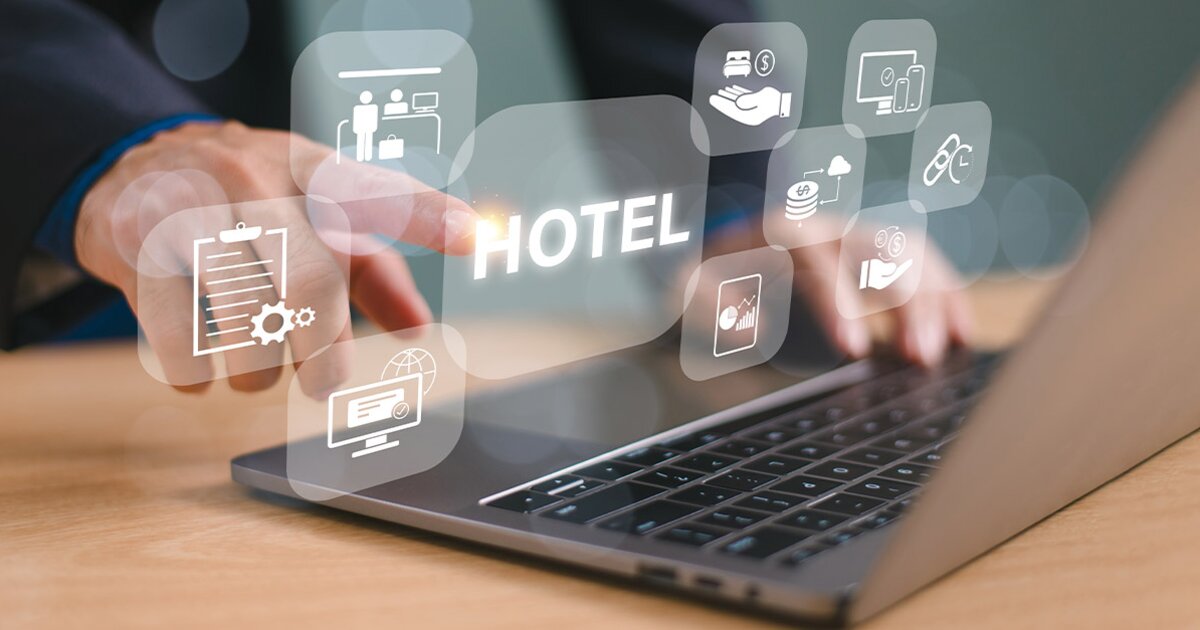
Shiji, a mobility framework showcased at ITB Berlin on 3 March 2026, has extended its capabilities with the introduction of Move. Initially launched in November 2025 with a focus on Food & Beverage workflows, Move now encompasses the entire guest journey from arrival to departure. This unified mobility framework integrates core hotel operations such as Property Management System (PMS), point of sale, experiences, and payments, all running on a single device. The objective is to reorganize hotel operations around the guest rather than the counter, ensuring a decentralized and continuous flow of service. Kevin King, CEO of Shiji, emphasized the shift from fixed counters and disconnected systems to a more integrated and guest-centric approach in hotel technology.
Key Points:
Actionable Takeaways:
Adopt Integrated Mobility Frameworks: Hotels should consider adopting integrated mobility frameworks like Shiji’s Move to streamline operations and enhance the guest experience. This approach can lead to a more seamless service flow, reducing the reliance on fixed terminals and counters.
Focus on Guest-Centric Operations: The shift towards a guest-centric approach in hotel technology signifies a broader industry trend. Hotels should prioritize designing their operations around the guest’s needs and journey, rather than the operational constraints of traditional systems.
Embrace Decentralized Service Models: The move towards decentralized service models, where operations are managed from a single device, can enhance operational efficiency and flexibility. Hotels should explore adopting such models to improve service continuity and reduce bottlenecks.
Contextual Insights:
The introduction of Shiji’s Move framework at ITB Berlin underscores a significant trend in the travel industry towards integrating technology to enhance operational efficiency and guest experience. The shift from fixed counters to a decentralized, guest-centric approach reflects broader industry trends towards digital transformation and operational efficiency. This move aligns with the growing emphasis on seamless, integrated services in the hospitality sector, driven by the need to meet evolving guest expectations and operational challenges. Furthermore, the focus on a unified mobility framework highlights the importance of leveraging technology to create a cohesive and efficient service ecosystem, which is increasingly becoming a competitive differentiator in the travel industry. As startups and established players continue to innovate in this space, hotels that embrace these technological advancements are likely to gain a competitive edge, offering more streamlined, efficient, and guest-focused services.
Read the Complete Article.
Experience the magic of the Nile aboard Kenzy Dahabeya, a luxury boutique sailing cruise that offers an unforgettable journey between...
Read moreDetails



