








Sail Through Time: Discover the Timeless Wonders of Upper Egypt Aboard Kenzy Dahabeya
Experience the magic of the Nile aboard Kenzy Dahabeya, a luxury boutique sailing cruise that offers an unforgettable journey between...
Read moreDetails
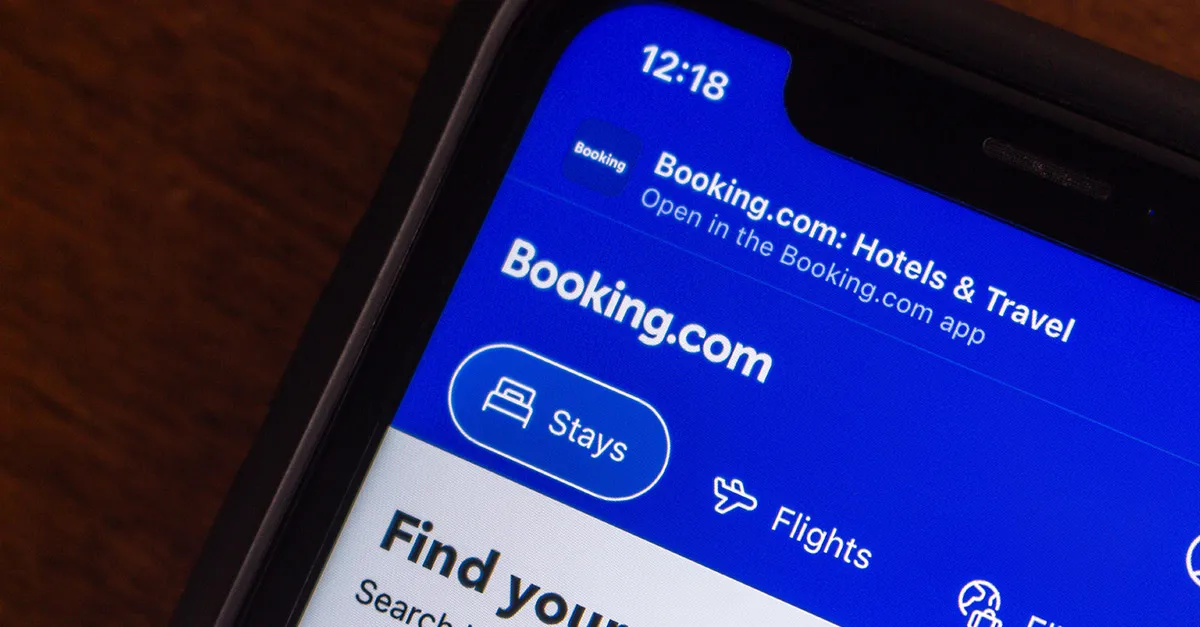
The travel industry is witnessing a transformation driven by artificial intelligence (AI), with implications for how travel is planned, discovered, and booked. According to the Q3FY26 data shared by industry players, the impact of AI is not evenly distributed across companies, with varying degrees of pressure on different segments of the travel ecosystem.
The article highlights the nuanced effects of AI on the travel industry, emphasizing the differential impact on companies based on their level of integration with AI technologies. While front-end travel apps face heightened pressure due to user dependency, deeper-connected platforms may find alternative avenues for growth and differentiation.
Read the Complete Article.
Experience the magic of the Nile aboard Kenzy Dahabeya, a luxury boutique sailing cruise that offers an unforgettable journey between...
Read moreDetails



