










Sail Through Time: Discover the Timeless Wonders of Upper Egypt Aboard Kenzy Dahabeya
Experience the magic of the Nile aboard Kenzy Dahabeya, a luxury boutique sailing cruise that offers an unforgettable journey between...
Read moreDetails
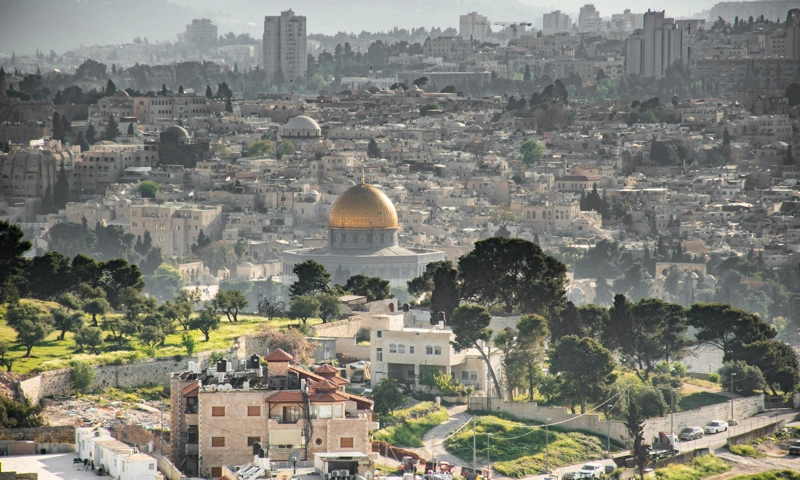
HVS Report - Israel’s Tourism and Hospitality Outlook - From Recovery to Reinvention - By Ronit Copeland
Article Summary:
The article “HVS Report – Israel’s Tourism and Hospitality Outlook – From Recovery to Reinvention” by Ronit Copeland provides an in-depth analysis of Israel’s tourism and hospitality industry post-war. It highlights the potential for recovery and reinvention, focusing on the role of strategic flexibility, operational resilience, and the untapped potential of the Abraham Accords. The report also touches on the broader travel trends and insights from thought leaders, emphasizing the importance of technological advancements and innovative solutions in the sector.
Key Points:
Actionable Takeaways:
Contextual Insights:
The article’s focus on Israel’s tourism and hospitality industry recovery and reinvention is deeply rooted in the current geopolitical and economic landscape. The end of the war has created a conducive environment for industry recovery, but the path forward requires strategic adaptation and innovation. The Abraham Accords, as a recent geopolitical development, offer a significant opportunity for market expansion and diversification. Technological advancements, particularly in travel tech and fintech, are critical for enhancing operational efficiency, improving guest experiences, and unlocking new revenue streams. These insights align with the broader travel industry trends, where digital transformation and strategic partnerships are key drivers of future growth.
Read the Complete Article.
Experience the magic of the Nile aboard Kenzy Dahabeya, a luxury boutique sailing cruise that offers an unforgettable journey between...
Read moreDetails



