





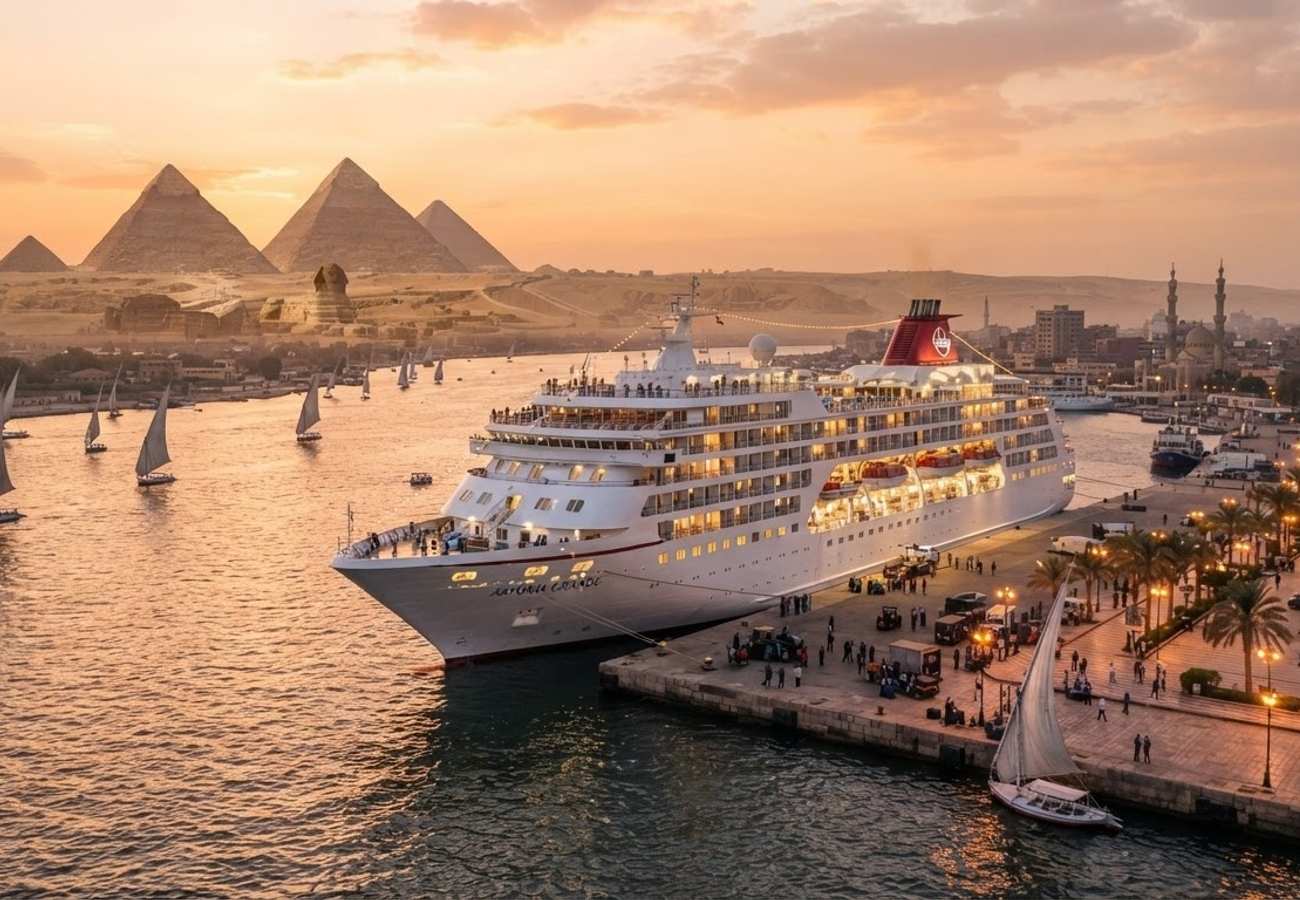



Sail Through Time: Discover the Timeless Wonders of Upper Egypt Aboard Kenzy Dahabeya
Experience the magic of the Nile aboard Kenzy Dahabeya, a luxury boutique sailing cruise that offers an unforgettable journey between...
Read moreDetails
Rendering of the upcoming Four Seasons Resort and Residences Red Sea at Shura Island
Article Summary:
The Middle East’s hotel construction pipeline has reached unprecedented levels, with 659 projects and 163,816 rooms as of Q3 2025. This represents an 8% increase in projects and a 9% rise in rooms year-over-year, indicating robust growth in the region’s hospitality sector. The article highlights the increasing momentum in the Middle East’s hotel construction industry, driven by significant project developments and room additions, signaling a strong and expanding hospitality market in the region.
Key Points:
Actionable Takeaways:
Increased Investment in Middle East Hospitality: The surge in hotel projects and room additions suggests a strong investment trend in the Middle East’s hospitality sector. Companies and investors should consider opportunities in this growing market, particularly in regions with high pipeline activity.
Focus on Technological Integration: With the growth in hotel projects, there is likely an increased focus on integrating advanced technologies in hospitality services. This includes leveraging travel tech, AI, and data analytics to enhance guest experiences and operational efficiencies.
Contextual Insights:
The article reflects the current state of the travel industry, particularly in the Middle East, where there is a noticeable surge in hotel construction projects. This growth is indicative of a broader trend of increasing investments in hospitality infrastructure, driven by both domestic and international tourism demand. Thought leaders in the industry are likely emphasizing the importance of technological advancements and sustainable practices to meet the evolving needs of travelers. The rise in projects and rooms underscores the potential for innovation in travel tech and fintech solutions, such as digital payment systems, personalized guest experiences, and efficient property management tools. As the region continues to expand its hospitality sector, stakeholders should remain vigilant about integrating these trends to capitalize on the growing market opportunities.
Read the Complete Article.
Experience the magic of the Nile aboard Kenzy Dahabeya, a luxury boutique sailing cruise that offers an unforgettable journey between...
Read moreDetails



