

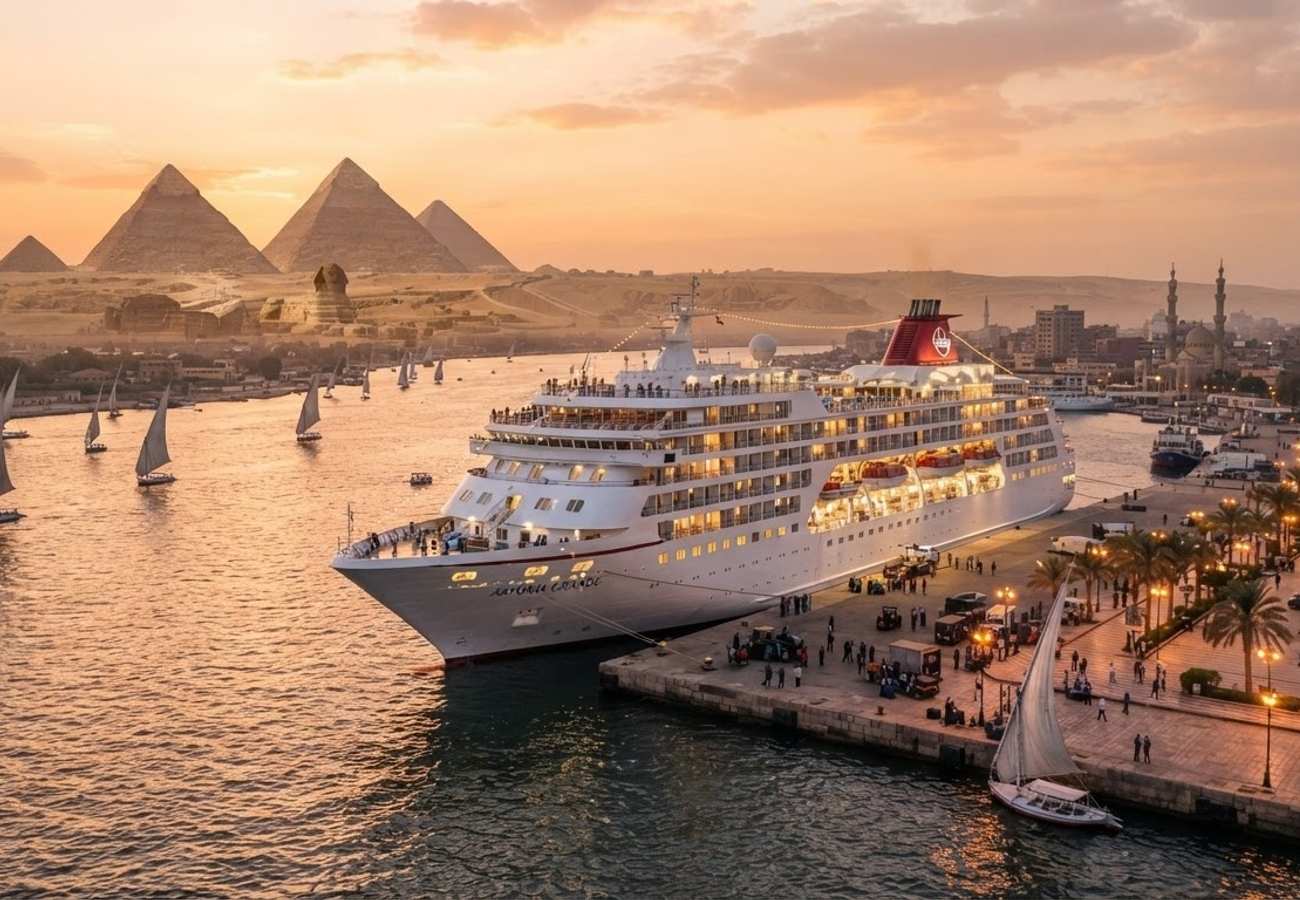



Sail Through Time: Discover the Timeless Wonders of Upper Egypt Aboard Kenzy Dahabeya
Experience the magic of the Nile aboard Kenzy Dahabeya, a luxury boutique sailing cruise that offers an unforgettable journey between...
Read moreDetails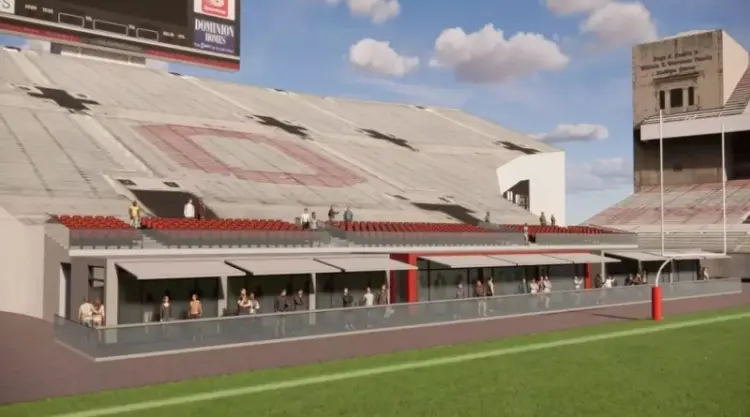
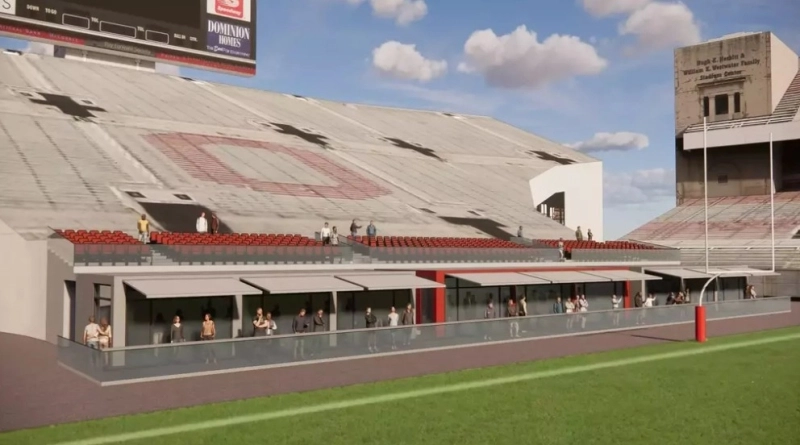
Ohio Stadium Premium Seating Rendering - Image Credit The Ohio State University
Article Summary:
The article discusses the evolving landscape of college athletic facility development, driven by the rise of Name, Image, and Likeness (NIL) rights and revenue-sharing policies. Universities are increasingly focusing on revenue-generating stadium features such as premium seating and mixed-use districts, rather than lavish player facilities. This shift reflects a broader trend in the travel and sports industry, where the cost of recruiting is becoming a significant factor in shaping facility investments and revenue strategies.
Key Points:
Actionable Takeaways:
Contextual Insights:
The article reflects the current trend in the travel and sports industry, where financial considerations are increasingly influencing facility development decisions. The rise of NIL rights and revenue-sharing policies represents a significant shift from traditional approaches to athletic facility investments. This trend is indicative of a broader industry movement towards financial sustainability and revenue optimization. For travel startups and fintech innovations, this context suggests opportunities in developing financial tools and platforms that support universities in managing the complexities of revenue generation and NIL rights management. By aligning with these industry trends, startups can position themselves as valuable partners in the evolving landscape of college sports facility development.
Read the Complete Article.
Experience the magic of the Nile aboard Kenzy Dahabeya, a luxury boutique sailing cruise that offers an unforgettable journey between...
Read moreDetails



