Staypineapple Expands AI Guest Personalization with Abra Hospitality
THE NEWS: Staypineapple announced on August 27, 2026 that it is partnering with Abra Hospitality to extend the Abra guest‑intelligence...
Read moreDetails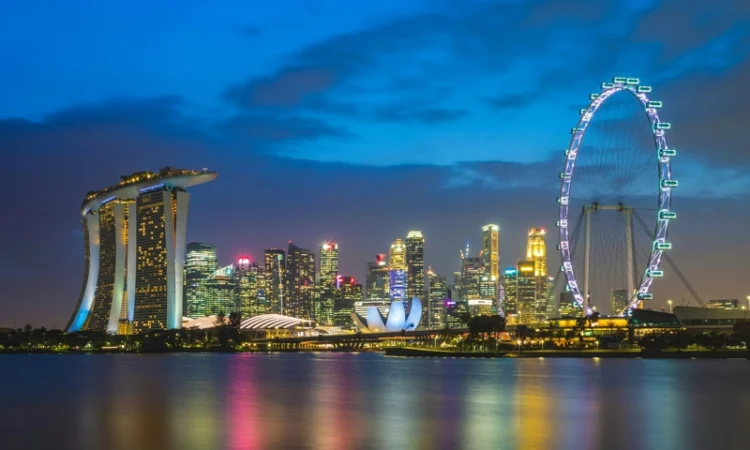
Singapore's Grand Prix Boosts Hotel Industry to Record Highs
Article Summary:
Singapore’s hotel sector witnessed unprecedented growth in October, primarily driven by the Formula 1 Grand Prix. This event led to record-high occupancy rates, average daily rates (ADRs), and revenue per available room (RevPAR), marking a significant milestone for the city-state’s hospitality industry.
Key Points:
Actionable Takeaways:
Contextual Insights:
The article highlights the significant impact of major sporting events on the hotel industry, particularly in terms of driving visitor numbers and boosting revenue metrics. This trend is indicative of a broader pattern where tourism is closely tied to major events and attractions. For the travel industry, this underscores the importance of aligning business strategies with the schedules of major events to maximize revenue potential. Furthermore, the success of the Formula 1 Grand Prix in Singapore suggests that cities can leverage their unique attractions and events to become key destinations, thereby enhancing their global appeal and competitiveness in the travel market. This insight is particularly relevant for travel startups and fintech innovations focused on enhancing the booking and payment processes for event-driven travel, as it highlights the growing demand for seamless and efficient travel experiences tied to major events.
Read the Complete Article.
THE NEWS: Staypineapple announced on August 27, 2026 that it is partnering with Abra Hospitality to extend the Abra guest‑intelligence...
Read moreDetails

Experience the magic of the Nile aboard Kenzy Dahabeya, a luxury boutique sailing cruise that offers an unforgettable journey between...
Read moreDetails