








Sail Through Time: Discover the Timeless Wonders of Upper Egypt Aboard Kenzy Dahabeya
Experience the magic of the Nile aboard Kenzy Dahabeya, a luxury boutique sailing cruise that offers an unforgettable journey between...
Read moreDetails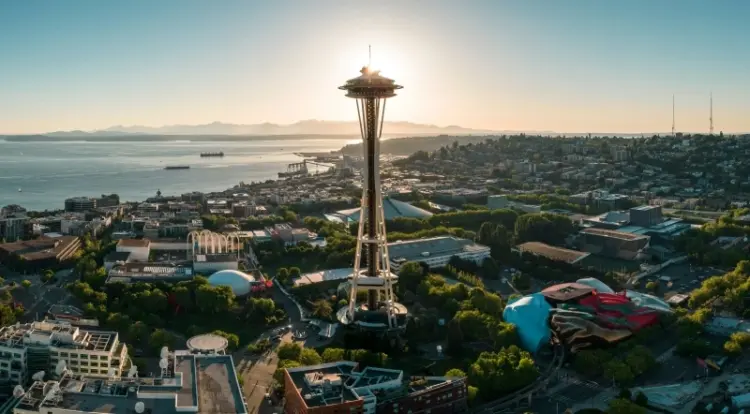
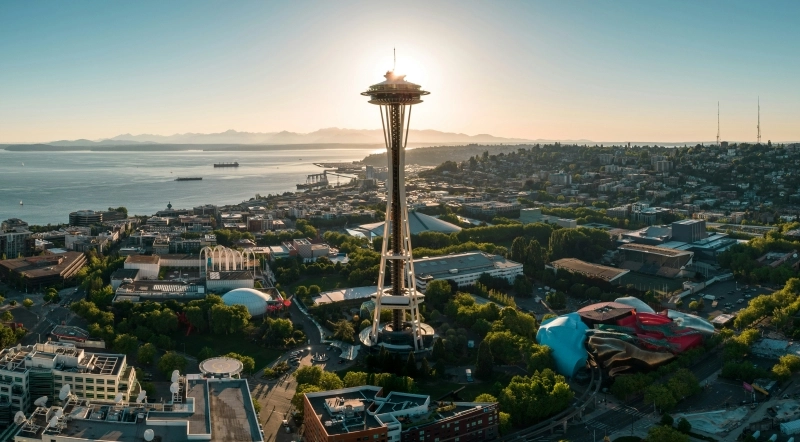
Seattle reported notable declines, with occupancy down 16.4% to 55.5%, ADR down 9.8% to $143.21, and RevPAR down 24.6% to $79.50.
Article Summary:
The article reports significant declines in hotel performance metrics in Tampa and Seattle, with occupancy rates down by 16.4% and 9.8% respectively, and RevPAR down by 24.6%. Tampa’s performance was notably affected by post-hurricane disruptions. The article also highlights widespread occupancy reductions across top U.S. hotel markets, indicating a broader trend of reduced demand.
Key Points:
Actionable Takeaways:
Contextual Insights:
The declines in hotel performance metrics in Tampa and Seattle are indicative of the broader challenges faced by the travel industry in the wake of recent natural disasters. The article underscores the importance of resilience and adaptability in the face of unforeseen events. As the travel industry continues to recover from disruptions, there is a growing emphasis on leveraging technology and data analytics to enhance operational efficiency and guest experiences. Thought leaders in the industry are advocating for the adoption of advanced analytics and AI-driven solutions to predict and mitigate the impacts of external shocks on hotel performance. This forward-looking perspective highlights the need for hotels to invest in innovative technologies that can provide real-time insights and enable proactive decision-making. By integrating these insights, the travel industry can better navigate future challenges and capitalize on emerging opportunities.
Read the Complete Article.
Experience the magic of the Nile aboard Kenzy Dahabeya, a luxury boutique sailing cruise that offers an unforgettable journey between...
Read moreDetails



