








Sail Through Time: Discover the Timeless Wonders of Upper Egypt Aboard Kenzy Dahabeya
Experience the magic of the Nile aboard Kenzy Dahabeya, a luxury boutique sailing cruise that offers an unforgettable journey between...
Read moreDetails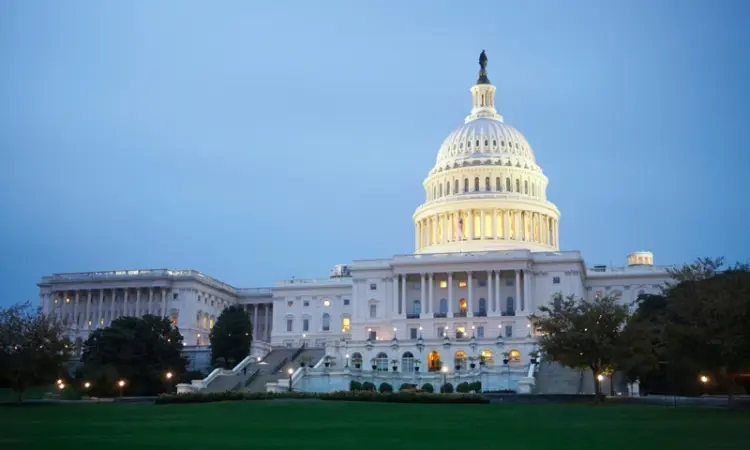
October Brings Slight Relief to U.S. Hotels Despite Ongoing Challenges
Article Summary:
The U.S. hotel industry saw a slight decline in revenue per available room (RevPAR) by 0.9% in October 2025, marking the fifth consecutive month of declines. Despite this, the decrease was the smallest during this period, indicating a potential relief for the sector amidst ongoing challenges.
Key Points:
Actionable Takeaways:
Contextual Insights:
The article reflects the ongoing challenges faced by the U.S. hotel industry, with a notable decline in RevPAR despite a slight improvement in the latest month. This context is crucial for understanding the current state of the market and the potential for recovery. The emphasis on data analytics and cost management aligns with current industry trends, where technology and operational efficiency play pivotal roles in navigating economic downturns. Thought leaders suggest that hotels leveraging advanced analytics and optimizing their operations can better withstand market fluctuations and position themselves for future growth.
Read the Complete Article.
Experience the magic of the Nile aboard Kenzy Dahabeya, a luxury boutique sailing cruise that offers an unforgettable journey between...
Read moreDetails



