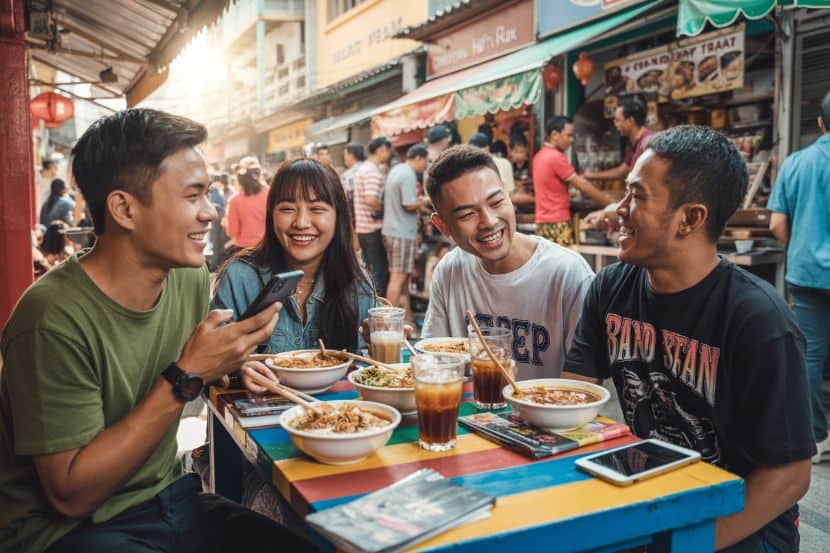
Malaysian Gen Z embraces shared travel experiences in 2026
THE NEWS: Malaysian Gen Z travellers are increasingly choosing shared, communal trips over solo or family vacations in 2026, according to...
Read moreDetails
Agoda Reports Thirty-Six Percent Rise in Accommodation Searches for Cherry Blossom Season of Japan, ...
Comprehensive Summarization:
Agoda reports a 36% increase in accommodation searches for Japan’s cherry blossom season, highlighting a trend towards last-minute travel. This surge in searches, predominantly in February with check-ins in late March, indicates a growing preference for travelers to finalize their holiday arrangements closer to the peak of cherry blossom viewing. This shift in travel behavior suggests a potential lasting change in tourists’ preferences for seasonal tourism, reflecting broader trends in travel tech and consumer behavior.
Key Points:
Actionable Takeaways:
Enhance Last-Minute Booking Platforms: Travel companies should optimize their platforms to cater to last-minute bookings, offering flexible cancellation policies and competitive pricing to attract spontaneous travelers. This aligns with the observed trend of increased searches in the final weeks leading up to the cherry blossom season.
Leverage Data for Seasonal Marketing: Utilize data analytics to identify peak interest periods and tailor marketing campaigns accordingly. Highlighting the unique experience of cherry blossom viewing can drive bookings, especially for travelers seeking spontaneous, seasonal adventures.
Invest in Technology for Seamless Travel Experiences: As last-minute travel becomes more popular, investing in technology that simplifies the booking process, such as AI-driven recommendations and real-time availability updates, can enhance customer satisfaction and retention.
Contextual Insights:
The rise in last-minute accommodation searches for Japan’s cherry blossom season reflects broader trends in the travel industry towards flexibility and spontaneity. This shift is influenced by several factors, including the desire for unique experiences, the impact of global events on travel planning, and advancements in travel technology that facilitate quick decision-making. As consumers increasingly prioritize memorable, seasonal experiences, travel companies must adapt by offering flexible booking options and leveraging data-driven insights to meet evolving consumer expectations. This trend also highlights the growing importance of technology in travel, as platforms that streamline the booking process and provide real-time information become essential for capturing the attention of spontaneous travelers.
Read the Complete Article.
THE NEWS: Malaysian Gen Z travellers are increasingly choosing shared, communal trips over solo or family vacations in 2026, according to...
Read moreDetails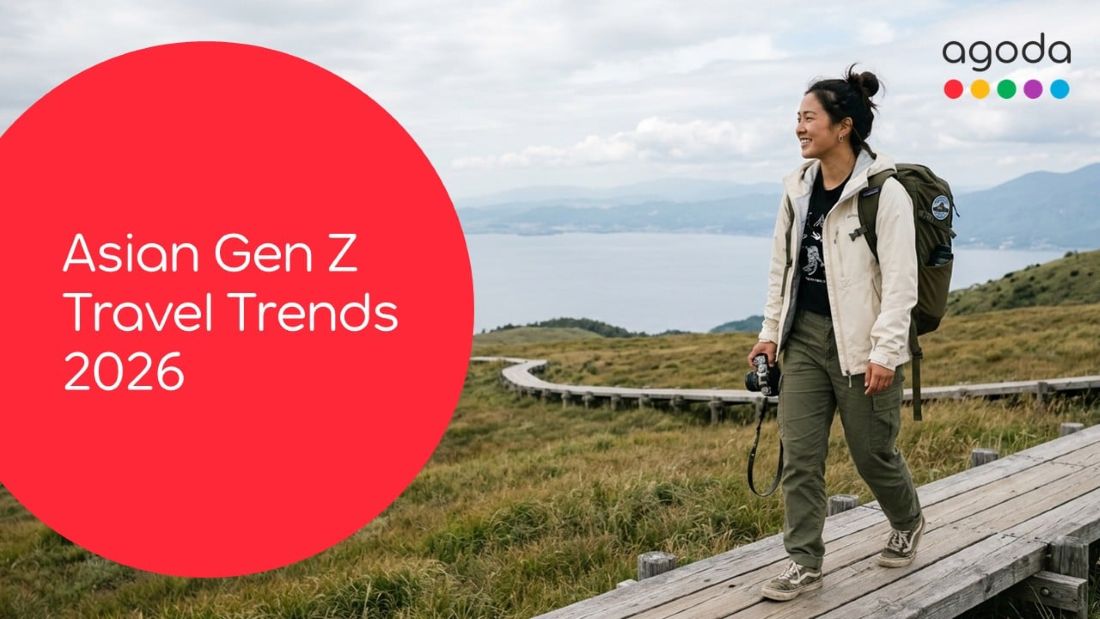

Experience the magic of the Nile aboard Kenzy Dahabeya, a luxury boutique sailing cruise that offers an unforgettable journey between...
Read moreDetails