
Booking.com refuses refund to customer after reservation disappears
THE NEWS: A Booking.com reservation for a two‑bedroom suite at Homewood Suites by Hilton in Bonita Springs, Fla., was not found on arrival, forcing...
Read moreDetailsEvery alert that matters — when it happens.
Comprehensive Summarization:
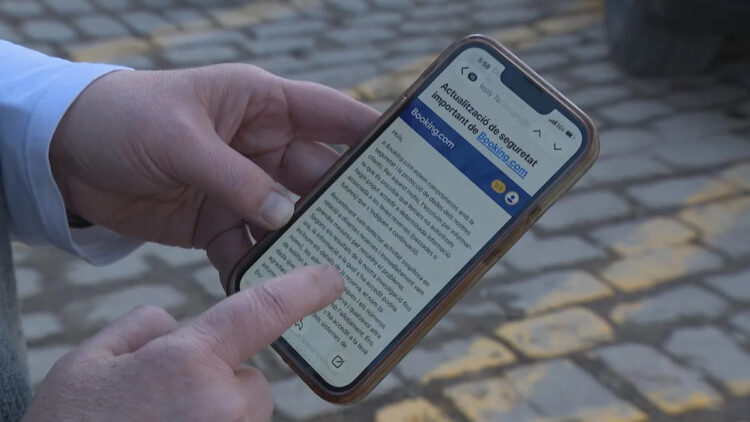
The article discusses a data breach at Booking.com, a major online travel agency, which has raised concerns about “reservation hijacking” scams. The breach exposed booking details, including contact information, to third parties. While banking information was not compromised, the company has emphasized that it will never request credit card details via email, phone, WhatsApp, or text. A spokesperson from Booking.com advised customers to change passwords and delete any credit card information if they suspect their data has been compromised. The company’s headquarters are in Amsterdam, and the spokesperson declined to disclose the exact number of affected users. This incident underscores the ongoing challenges in travel tech security and the importance of vigilance against phishing scams, especially as the travel season approaches.
Key Points:
Actionable Takeaways:
Enhanced Security Awareness: Travel companies should prioritize security awareness training for employees and customers to recognize and avoid phishing scams. This includes educating users on the risks of sharing sensitive information via insecure channels.
Immediate Action Post-Breach: Travel agencies should have clear protocols in place for notifying customers of data breaches and providing immediate guidance on securing personal information. This includes steps like password changes and credit card deletions, as highlighted by Booking.com.
Continuous Monitoring and Response: Implementing robust monitoring systems to detect and respond to data breaches swiftly can mitigate potential damage. This involves real-time alerts, automated responses, and regular audits of security measures.
Contextual Insights:
The incident at Booking.com highlights the persistent threat of phishing scams in the travel industry, a sector increasingly reliant on digital platforms for bookings and transactions. As travel demand surges, particularly post-pandemic, the urgency for robust cybersecurity measures becomes paramount. The breach underscores the need for continuous innovation in travel tech security, including advanced encryption, multi-factor authentication, and AI-driven fraud detection systems. Moreover, the incident serves as a reminder for the industry to foster a culture of transparency and customer trust, ensuring that security measures are communicated clearly to build and maintain consumer confidence. As thought leaders predict, the integration of blockchain technology for secure transactions and decentralized identity verification could further enhance the security landscape for travel startups and fintech solutions.
Read the Complete Article.
THE NEWS: A Booking.com reservation for a two‑bedroom suite at Homewood Suites by Hilton in Bonita Springs, Fla., was not found on arrival, forcing...
Read moreDetails

Experience the magic of the Nile aboard Kenzy Dahabeya, a luxury boutique sailing cruise that offers an unforgettable journey between...
Read moreDetails