









Comprehensive Summarization:
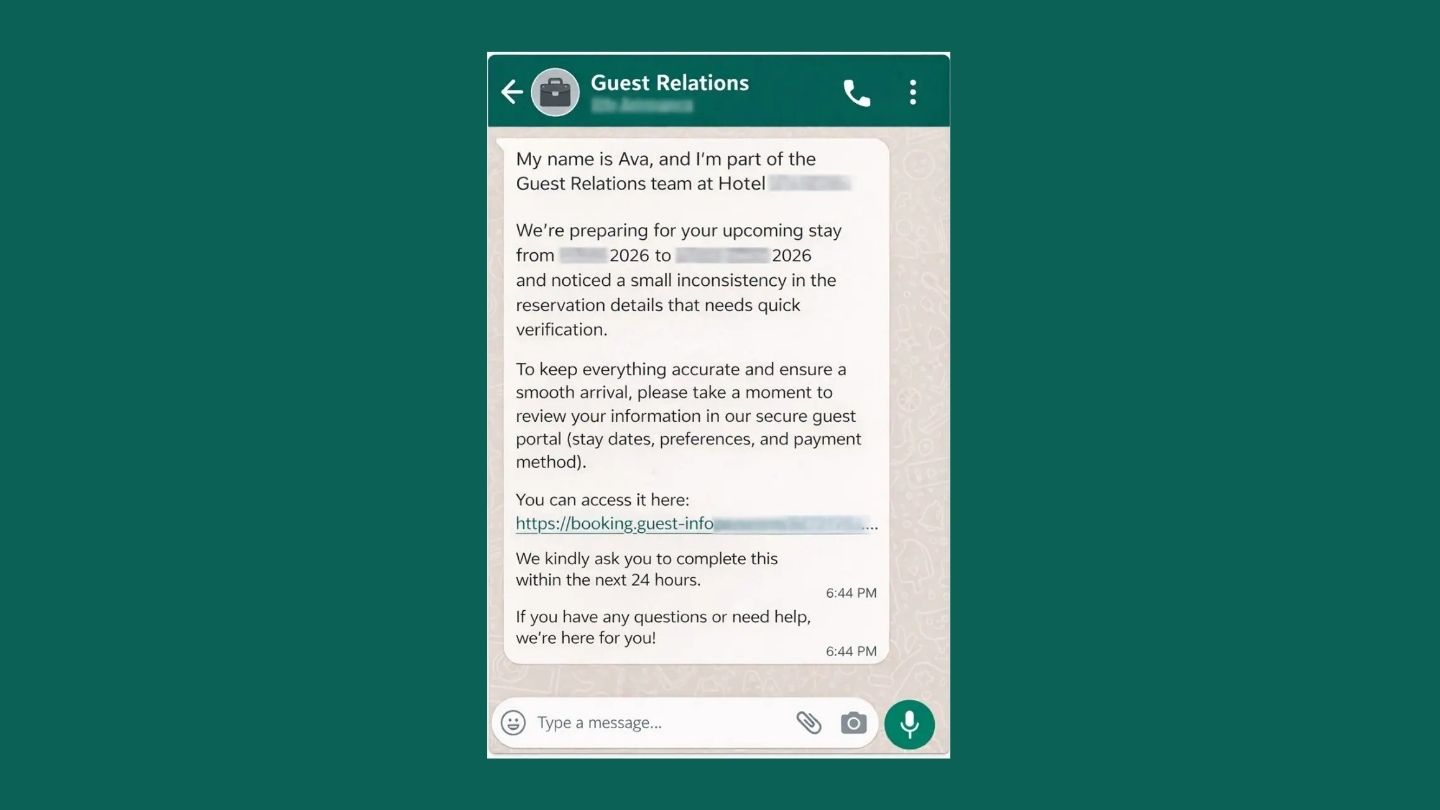
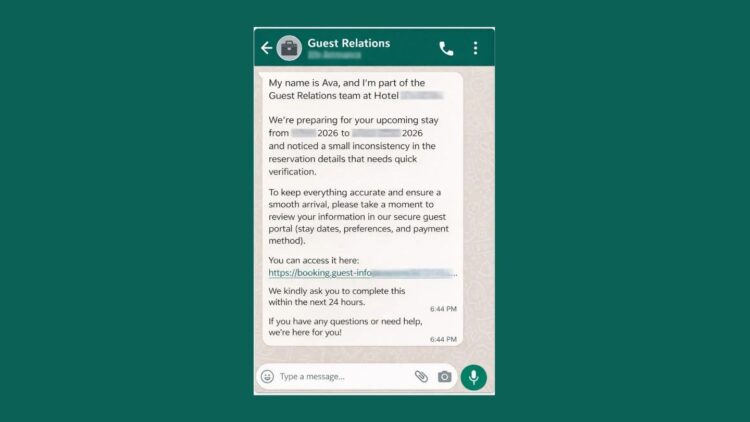
The article titled “Reservation Hijack: Beim Kunden kommt eine Nachricht herein, die routinemäßig wirkt, wie eine übliche Folgenachricht vom Gästeservice” warns of a new scam targeting Booking.com and other online travel agencies (OTAs). The scam involves fraudsters waiting for a booking to be made before demanding urgent additional payments. Norton, an antivirus specialist, has issued a warning about this emerging threat, which exploits vulnerabilities in the booking process to extort money from unsuspecting travelers. The scam is currently being executed on platforms like Booking.com, where fraudsters contact guests directly through official chat channels. The article also includes information about subscription options for accessing fvw|TravelTalk Digital, which offers full access to fvw.de, including the E-Paper, PEP-Ausweis for two years, and event discounts.
Key Points:
- A new scam targeting Booking.com and other OTAs is being executed, where fraudsters demand urgent additional payments after a booking has been made.
- Norton has issued a warning about this scam, highlighting the vulnerabilities in the booking process that it exploits.
- The scam is currently being carried out on platforms like Booking.com, where fraudsters contact guests through official chat channels.
- fvw|TravelTalk Digital offers various subscription plans for accessing fvw.de, including full access to the E-Paper, PEP-Ausweis for two years, and discounts at events.
Actionable Takeaways:
-
Enhanced Security Measures: Travel agencies and OTAs should implement enhanced security measures to detect and prevent such scams. This could include verifying payment requests through multiple channels and educating customers about common scam tactics.
- Relevance and Impact: As online travel bookings become more prevalent, the risk of such scams increases. Implementing robust security measures can protect both the agencies and their customers from financial losses and reputational damage.
-
Customer Education: Travel agencies should educate their customers about the risks of booking scams and how to identify suspicious communications. Providing clear guidelines on what constitutes a legitimate booking confirmation and payment request can empower customers to protect themselves.
- Relevance and Impact: Educating customers can reduce the incidence of successful scams, thereby safeguarding both the customers and the agencies from financial and reputational harm.
Contextual Insights:
The rise of online travel agencies (OTAs) has transformed the travel industry, offering convenience and a wide range of options to consumers. However, this convenience comes with increased risks, such as the emerging scam described in the article. As the travel industry continues to evolve, with advancements in technology and changes in consumer behavior, it is crucial for agencies to stay ahead of emerging threats. The integration of advanced security measures and customer education is not just a response to current threats but a proactive step towards building trust and ensuring long-term customer satisfaction. Furthermore, the article underscores the importance of staying informed about the latest travel trends and insights from thought leaders, which can guide agencies in adapting to new challenges and opportunities in the market.
Read the Complete Article.






