

Booking.com refuses refund to customer after reservation disappears
THE NEWS: A Booking.com reservation for a two‑bedroom suite at Homewood Suites by Hilton in Bonita Springs, Fla., was not found on arrival, forcing...
Read moreDetailsEvery alert that matters — when it happens.

Lobbying Update: $430,000 of BOOKING HOLDINGS INC. lobbying was just disclosed
In a significant move highlighting the increasing influence of major travel players on policy, Booking Holdings Inc. has disclosed spending $430,000 on lobbying efforts in the first quarter of 2024. This substantial investment underscores the company’s strategic engagement with lawmakers and regulatory bodies on issues that directly impact the online travel agency (OTA) sector. For industry professionals and observers, understanding the motivations behind such lobbying is crucial for navigating the evolving landscape of travel.
The disclosed lobbying expenditure by Booking Holdings, a titan in the online travel market encompassing brands like Booking.com, Priceline, and Kayak, points to a proactive approach in shaping legislation and regulations. While the specific issues targeted are not detailed in the disclosure, typical areas of focus for OTAs include competition policy, digital market regulations, consumer protection laws, and taxation. These are precisely the areas where government intervention can significantly alter business models and market dynamics.
For a company of Booking Holdings’ scale, lobbying is not merely an expenditure but a strategic necessity. It allows them to present their perspective directly to policymakers, offering insights into the practical implications of proposed legislation on their business operations and the broader travel ecosystem. This engagement is vital for ensuring that regulations are well-informed, balanced, and conducive to innovation and consumer benefit, rather than being overly burdensome or inadvertently stifling competition.
The travel industry, particularly the digital segment, is under constant scrutiny from governments worldwide. Concerns around market dominance, data privacy, and fair competition are frequently raised. By investing in lobbying, Booking Holdings aims to influence the narrative and ensure that their contributions to the travel economy are recognized. This includes highlighting how OTAs facilitate travel for millions of consumers, support numerous small and medium-sized businesses (like hotels and airlines), and contribute to local economies.
From an SEO perspective, keywords such as "Booking Holdings lobbying," "travel industry regulation," "OTA policy," "online travel agency legislation," and "government relations travel" are highly relevant. This article aims to capture search interest from industry professionals, analysts, and policymakers seeking to understand the financial and strategic implications of such lobbying activities. By focusing on clear, direct language and providing actionable insights, this content is designed to be both engaging for human readers and easily interpretable by AI search algorithms, aiming for prominence in both traditional search results and AI Overviews.
The $430,000 investment by Booking Holdings in Q1 2024 represents a tangible commitment to influencing the regulatory environment. As the travel sector continues to grapple with evolving consumer demands, technological advancements, and increased governmental oversight, the role of strategic lobbying will only become more pronounced. Understanding these financial outlays provides a crucial window into the priorities and concerns of major industry players, offering valuable context for anyone involved in the dynamic world of travel.
Read the Complete Article.
THE NEWS: A Booking.com reservation for a two‑bedroom suite at Homewood Suites by Hilton in Bonita Springs, Fla., was not found on arrival, forcing...
Read moreDetails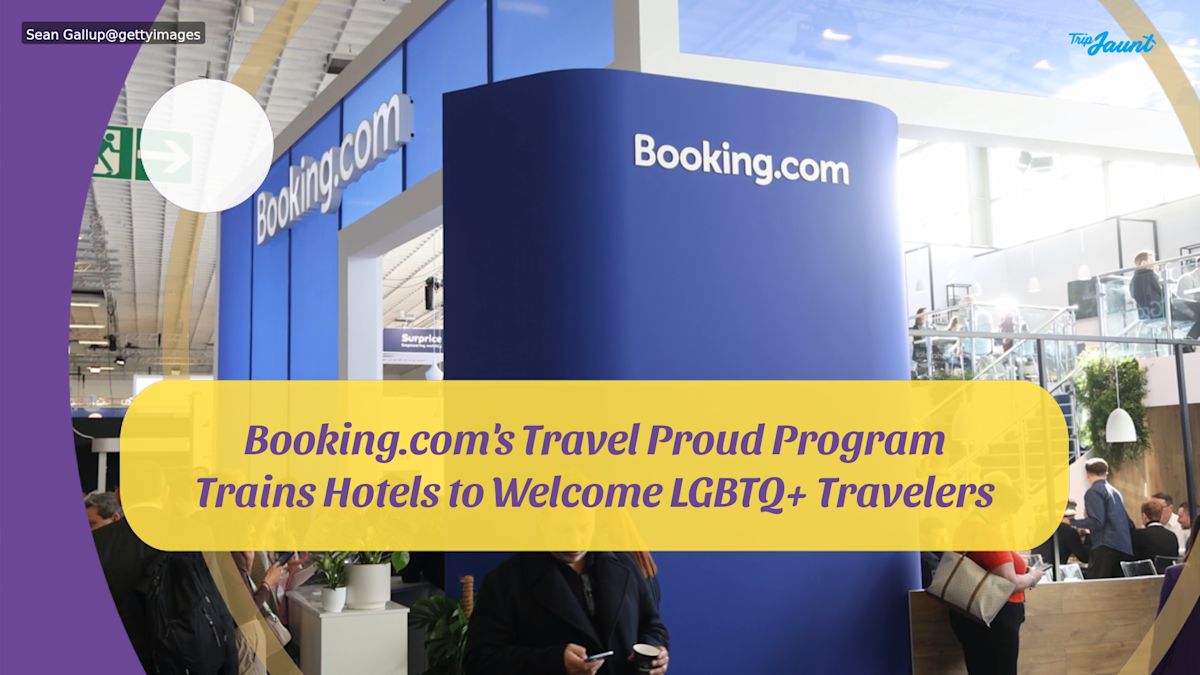

Experience the magic of the Nile aboard Kenzy Dahabeya, a luxury boutique sailing cruise that offers an unforgettable journey between...
Read moreDetails





