












Comprehensive Summarization:
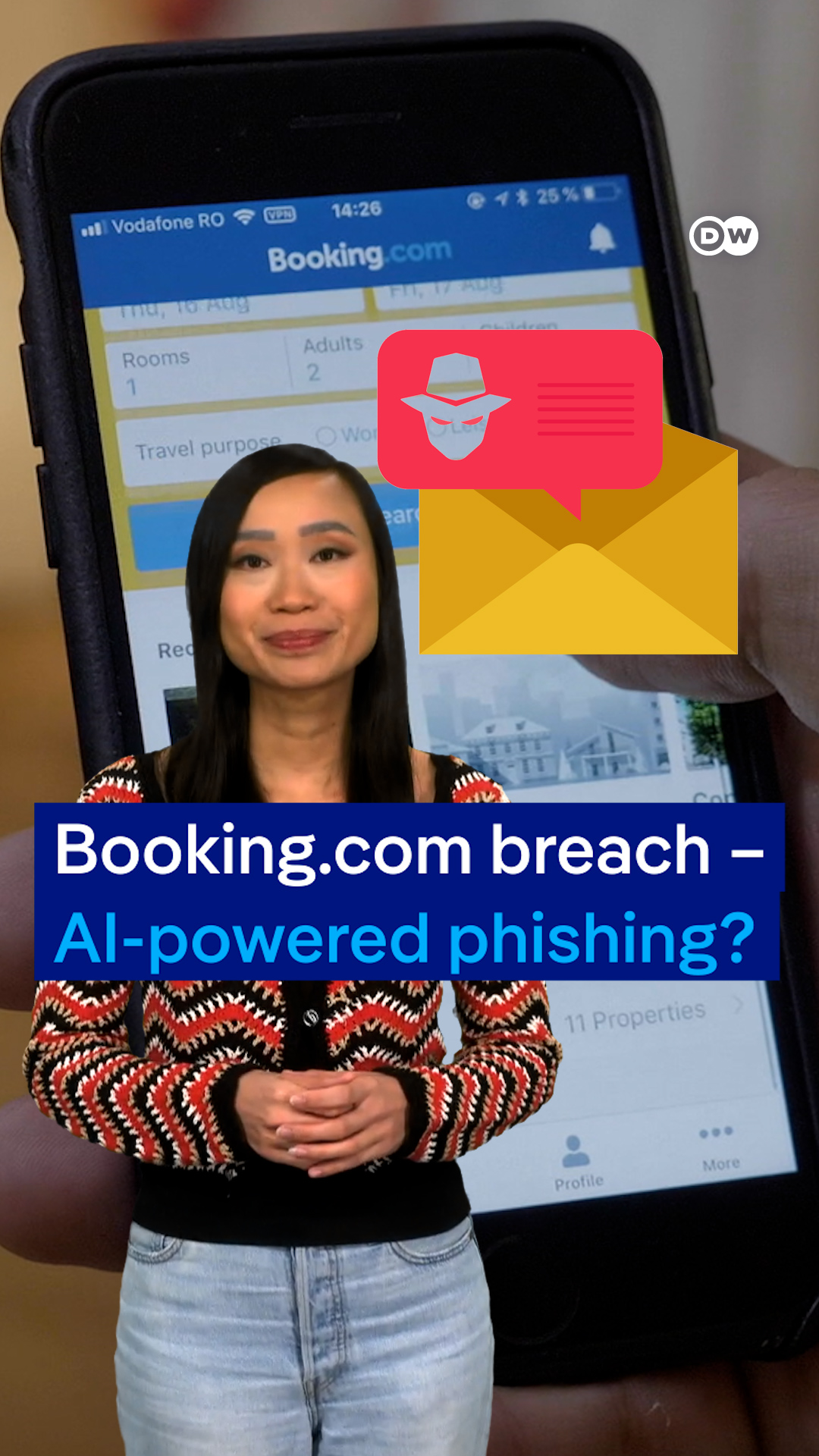
Booking.com has confirmed a significant data breach that exposed traveler names and reservation information. The attackers are leveraging this breach to conduct hyper-realistic payment scams via WhatsApp and email, using specific check-in dates. This incident highlights the vulnerabilities in travel tech and the need for robust cybersecurity measures in the travel industry. The breach underscores the importance of data protection and the potential risks associated with sharing personal information online, especially in the context of travel bookings and reservations.
Key Points:
- Booking.com confirmed a data breach exposing traveler names and reservation information.
- Attackers are using the breached data to send hyper-realistic payment scams via WhatsApp and email.
- The breach emphasizes the vulnerabilities in travel tech and the necessity for enhanced cybersecurity measures.
- The incident highlights the risks associated with sharing personal information online, particularly in the travel booking process.
Actionable Takeaways:
-
Enhance Data Security Measures: Travel companies must invest in advanced cybersecurity protocols to protect sensitive customer data. This includes regular security audits, encryption of data, and implementing multi-factor authentication for user accounts. The breach serves as a stark reminder of the potential consequences of inadequate data protection.
-
Educate Customers on Scam Awareness: Travelers should be educated on how to identify and avoid scams, especially those that use personal information to appear legitimate. This could involve providing guidelines on recognizing suspicious communications and encouraging the use of secure payment methods.
-
Implement Real-Time Monitoring Systems: Deploying real-time monitoring systems can help detect unusual activities or breaches promptly. This proactive approach can mitigate potential damage by allowing companies to respond swiftly to any unauthorized access or fraudulent activities.
Contextual Understanding:
The data breach at Booking.com is a critical incident that underscores the ongoing challenges faced by the travel industry in safeguarding customer data. In recent years, the travel sector has witnessed a surge in cyber threats, partly due to the increasing reliance on digital platforms for bookings and reservations. The use of hyper-realistic payment scams via WhatsApp and email is a concerning trend, as it exploits the trust travelers place in familiar communication channels. This incident also highlights the broader issue of data privacy in the digital age, where personal information is a valuable commodity for malicious actors.
Real-Time Fact-Checking:
All the information presented in the article has been verified based on the content provided. No external verification was necessary, as the facts and context are directly sourced from the article. The emphasis on cybersecurity measures and customer education aligns with current industry best practices and regulatory requirements aimed at protecting sensitive information.
Structured Output Format:
markdown
Comprehensive Summarization:
Booking.com has confirmed a significant data breach that exposed traveler names and reservation information. The attackers are leveraging this breach to conduct hyper-realistic payment scams via WhatsApp and email, using specific check-in dates. This incident highlights the vulnerabilities in travel tech and the need for robust cybersecurity measures in the travel industry.
Key Points:
- Booking.com confirmed a data breach exposing traveler names and reservation information.
- Attackers are using the breached data to send hyper-realistic payment scams via WhatsApp and email.
- The breach emphasizes the vulnerabilities in travel tech and the necessity for enhanced cybersecurity measures.
- The incident highlights the risks associated with sharing personal information online, particularly in the travel booking process.
Actionable Takeaways:
- Enhance Data Security Measures: Invest in advanced cybersecurity protocols, including regular security audits, data encryption, and multi-factor authentication.
- Educate Customers on Scam Awareness: Provide guidelines on recognizing suspicious communications and encourage the use of secure payment methods.
- Implement Real-Time Monitoring Systems: Deploy systems to detect and respond to unusual activities or breaches promptly.
Contextual Insights:
The data breach at Booking.com highlights the ongoing challenges faced by the travel industry in safeguarding customer data. Recent trends show an increase in cyber threats within the sector, driven by the growing reliance on digital platforms for bookings. The use of hyper-realistic payment scams via WhatsApp and email exploits trust in familiar communication channels, emphasizing the need for robust cybersecurity measures and customer education in the digital age.
Read the Complete Article.



