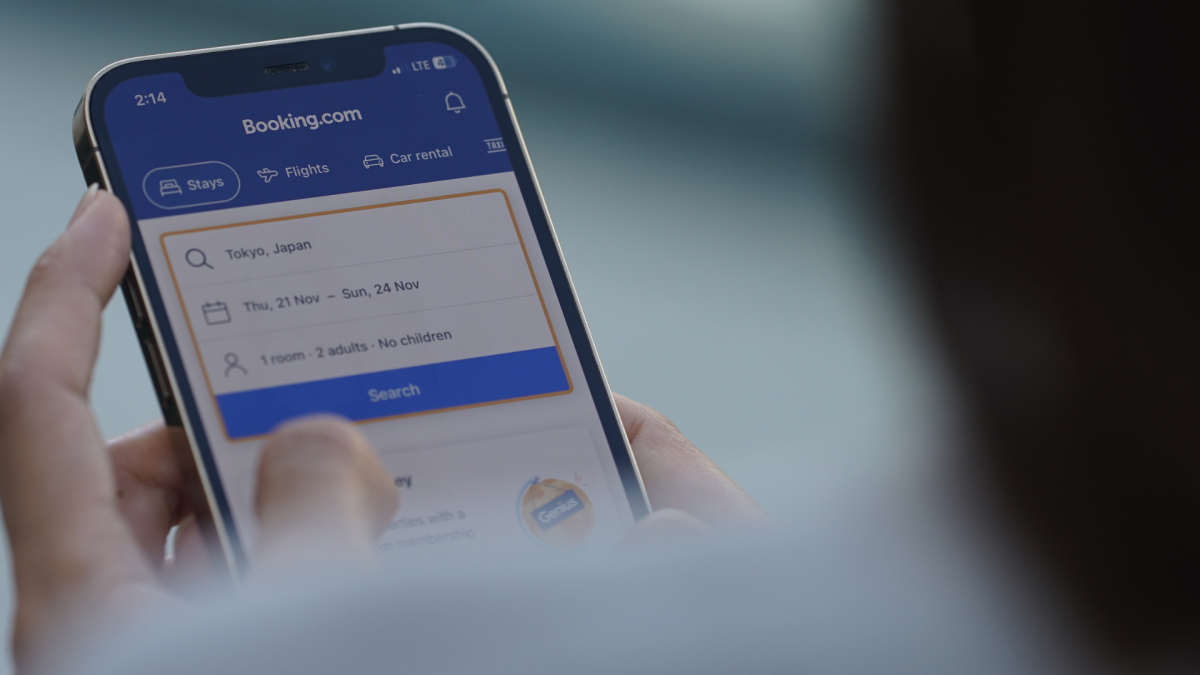













Beware of Fake Booking.com Websites: How to Protect Yourself from Travel Scams
The thrill of planning a vacation can quickly turn sour if you fall victim to online scams. A recent rise in sophisticated fake websites mimicking Booking.com is targeting unsuspecting travelers, aiming to steal personal information and financial details. This article highlights the increasing prevalence of these scams and provides essential tips to safeguard your bookings and travel budget.
The scam typically unfolds when users receive seemingly legitimate emails prompting them to verify their booking details or update payment information. Clicking on the embedded links redirects users to meticulously crafted fake websites that mirror the authentic Booking.com interface. These fraudulent sites are designed to trick users into entering their credit card details, passwords, and other sensitive data, which are then harvested by scammers.
The consequences of falling for such a scam can be devastating. Victims risk financial loss through unauthorized credit card charges, identity theft, and the cancellation of genuine bookings. Moreover, the stress and inconvenience of dealing with the aftermath of a scam can ruin the entire vacation experience.
How to Identify and Avoid Fake Booking.com Websites:
- Verify the Website Address: Always double-check the URL in your browser’s address bar. Look for subtle misspellings or unusual domain extensions. The official Booking.com website is www.booking.com.
- Be Wary of Suspicious Emails: Exercise caution with emails requesting urgent action or asking you to update your payment information. Instead of clicking on links, log in to your Booking.com account directly through the official website to verify any notifications.
- Look for Security Indicators: Ensure the website has a valid SSL certificate, indicated by a padlock icon in the address bar and "https://" at the beginning of the URL. This signifies that the connection is encrypted and your data is protected.
- Trust Your Instincts: If something feels off, trust your gut. Scammers often use pressure tactics and create a sense of urgency to rush you into making a decision.
- Report Suspicious Activity: If you encounter a fake website or receive a suspicious email, report it to Booking.com and your local authorities.
Staying vigilant and employing these simple precautions can significantly reduce your risk of becoming a victim of these increasingly sophisticated travel scams. Remember, a little extra caution can save you a lot of money and heartache, allowing you to enjoy your well-deserved vacation with peace of mind.
Key Points
The article does not mention any KPI’s, revenue numbers, data points, facts or figures.
Read the Complete Article.



